Thousands of EVs Face Crucial Safety Check. Is Yours One?

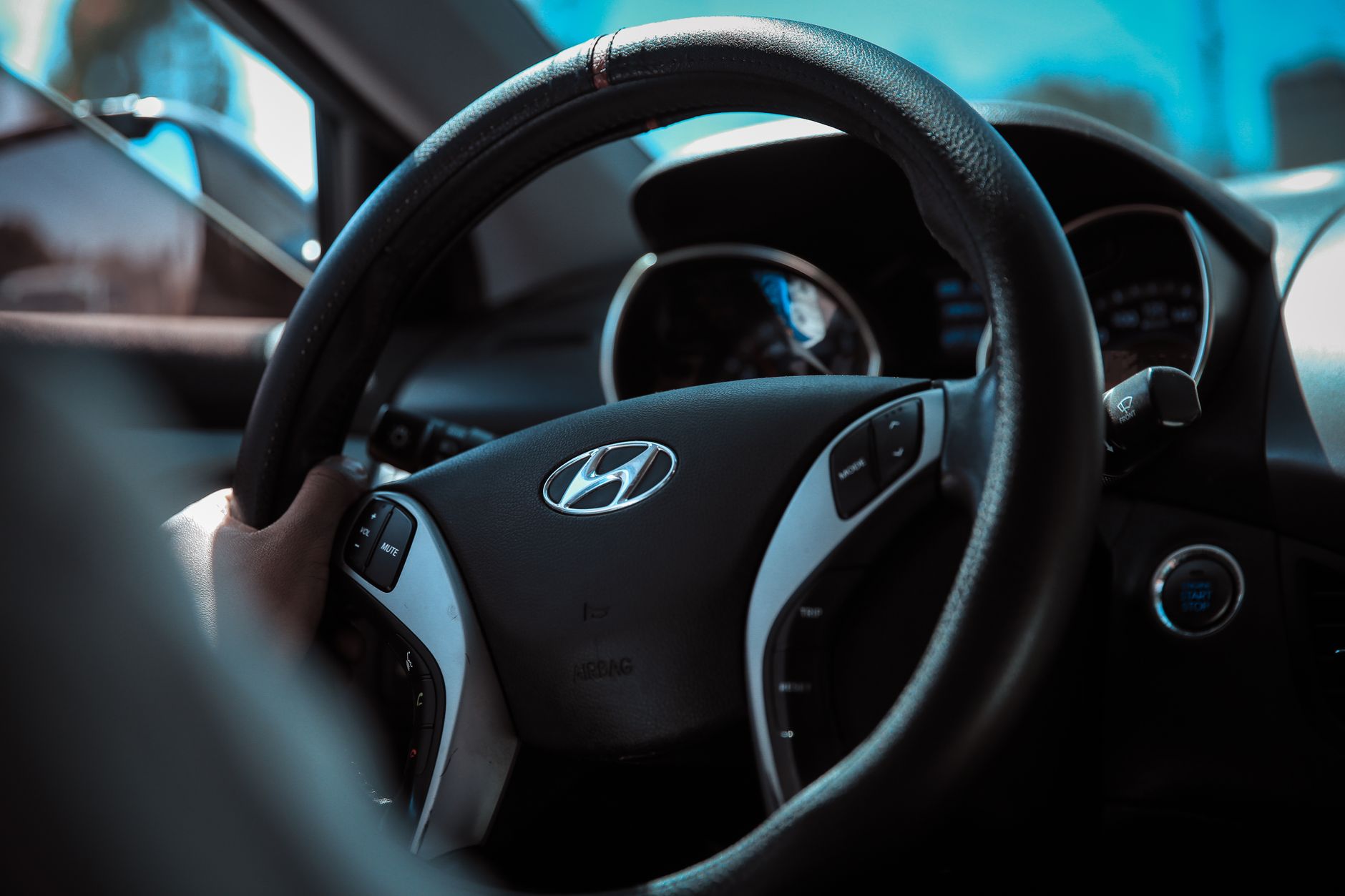
Hyundai is recalling nearly 30,000 Kona Electric vehicles in the U.S. over a critical software issue that could prevent airbags and seatbelt pretensioners from deploying during a crash. This safety measure, affecting model years 2019-2023, is essential to protect drivers and passengers. While the fix is a straightforward software update, vehicle owners must visit a dealership to ensure their electric crossover is safe. This proactive recall underlines the ongoing commitment to safety in the rapidly expanding world of electric vehicles.
Hyundai is taking action on a safety recall involving almost 30,000 first-generation Kona Electric crossovers and around 9,000 Veloster N gas-powered hatchbacks across the United States. These vehicles, built in South Korea between 2018 and 2023 for the Kona EV, could have an issue where their airbag system might not work correctly in an accident. Owners of these cars, which include many embracing cleaner electric transport, are being asked to bring their vehicles in for a vital check.
The heart of the problem lies with the Airbag Control Unit (ACU). Under certain driving conditions, vital data within this unit can become corrupted, leading to the airbag warning light turning on and the entire system shutting down. This means that if a crash were to happen, the airbags and seatbelt pretensioners might not deploy as they should, significantly increasing the risk of serious injury for everyone inside. Hyundai has identified this concern, which highlights the importance of keeping all vehicle safety systems in top condition, especially as more drivers choose electric options for a sustainable future.
Fortunately, the solution is simple and free for affected owners. A visit to a Hyundai service center will allow technicians to perform a quick software update on the ACU. This isn't a hardware replacement, but rather a digital fix designed to prevent data corruption by reverting to the last known good data if an interruption occurs. While the company is aware of hundreds of related incidents where the warning light appeared, they have not reported any crashes or injuries linked to this specific issue in the U.S., according to the recall report from the National Highway Traffic Safety Administration. This offers reassurance while underscoring the necessity of prompt action to maintain vehicle safety and the integrity of electric transport.