Thousands of Ticks Mailed to NY Lab: What Are Scientists Learning?

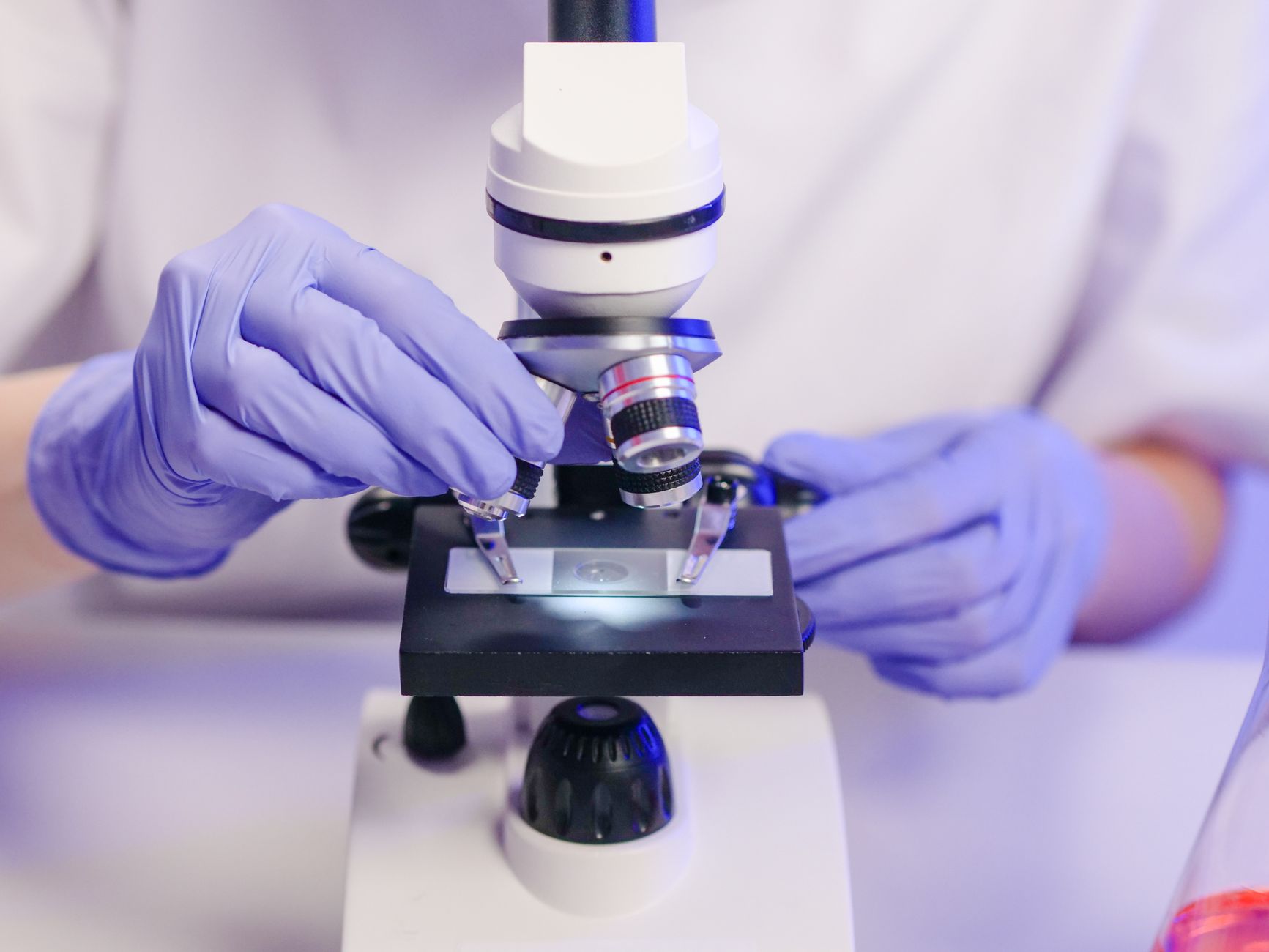
Each summer, thousands of ticks arrive by mail at a unique lab in upstate New York. Run by Dr. Saravanan Thangamani, the Upstate Tick Testing Laboratory analyzes these insects to identify species and dangerous pathogens like those causing Lyme disease. This crucial effort also gathers vital data revealing how climate change is directly expanding tick populations and their disease-carrying range. Warmer temperatures mean ticks can survive in new areas and remain active for longer, intensifying public health concerns and underscoring the urgent need for climate action.
Each summer, stacks of envelopes full of ticks arrive at the Upstate Tick Testing Laboratory in New York, sent by people concerned after spending time outdoors. Once received, scientists examine each tick to identify its species, life stage, and any dangerous pathogens it might carry. This crucial service provides individuals with important health information to share with their doctors, helping them understand their risk for diseases like Lyme.
Dr. Saravanan Thangamani, who leads the lab at SUNY Upstate Medical University, explains that tick populations are growing across the Northeast. A major driver of this expansion is climate change. As our planet warms, areas once too cold for ticks become habitable, and these pests can stay active for much longer each year.
Global warming also changes where the animals that ticks feed on can live. When these host animals move, they bring ticks with them, further spreading their reach. Since 2019, the lab has tested over 30,000 ticks, mostly from New York, finding that about a third carried serious pathogens, including those for tick-borne encephalitis and babesiosis.
The information gathered from this unique community-science effort is vital. It helps individuals protect their health and offers scientists critical data to track how health risks are evolving as our climate changes. Understanding these connections highlights the urgent need for environmental action and sustainable solutions to safeguard public health against the indirect consequences of a warming world.