Top SUV Goes Hybrid: What This Major Shift Means For Drivers

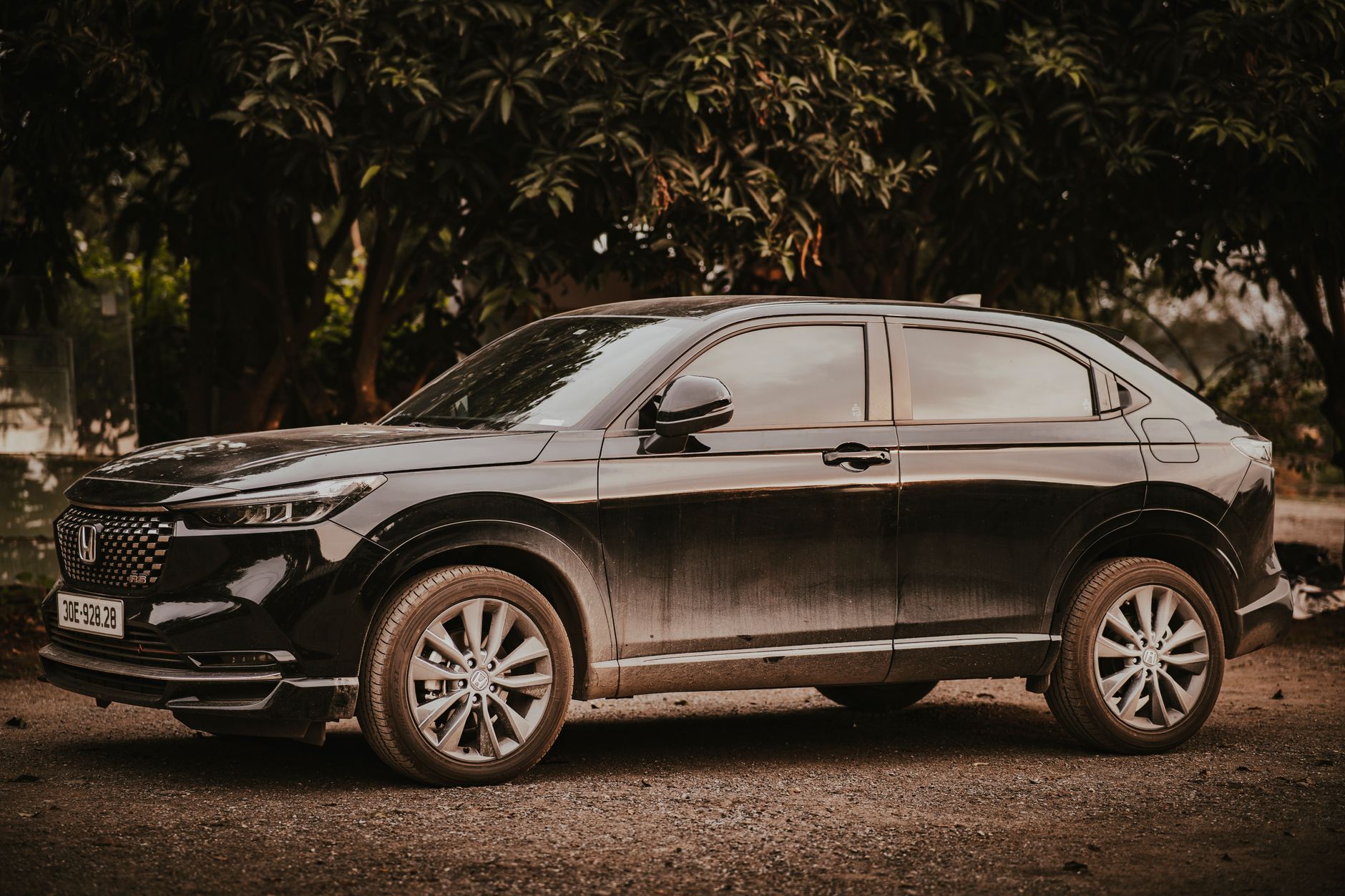
Honda is taking a significant step towards a greener future, announcing its popular CR-V SUV will be exclusively hybrid-powered by 2028. This move follows Toyota's decision to make its best-selling RAV4 hybrid-only, signaling a major shift in the automotive industry. As demand for electrified vehicles surges, these changes mean America's most popular SUVs will soon all offer cleaner, more efficient powertrains. This progress is crucial for reducing emissions and addressing climate urgency, making sustainable choices more accessible to mainstream buyers.
Honda has announced that its best-selling CR-V SUV will go exclusively hybrid-powered with its redesigned 2028 model. This major move reflects a growing trend where traditional gasoline options are being phased out in favor of more efficient, electrified powertrains. According to Honda, this shift will boost the CR-V's efficiency and appeal, aligning with record-level demand for hybrid-electric vehicles.
This decision by Honda mirrors a similar, earlier commitment from Toyota, which made its popular RAV4 SUV hybrid-only starting with the 2026 model year. Soon, America's three best-selling SUVs—the CR-V, RAV4, and Tesla Model Y—will all come with some form of electrification. This is a crucial development for environmental action, steering millions of drivers toward vehicles that use less fossil fuel and contribute less to global warming, even if they aren't fully electric yet.
The surge in hybrid sales is driven by increased environmental awareness, fluctuating gas prices, and a wider variety of options. Other automakers like Nissan and GM are also preparing to introduce more hybrid SUV models, further expanding choices for consumers seeking cleaner transportation. Choosing a hybrid is a smart step: while there might be a slightly higher upfront cost, Consumer Reports shows that fuel savings often offset this difference within four years, making them a financially and environmentally sound choice.
While hybrids offer significant benefits over pure gasoline cars, it's important to remember that full electric vehicles (EVs) remain the most environmentally friendly option, especially with home charging. EVs produce zero tailpipe emissions and typically have the lowest running costs per mile. Although Honda is focusing on hybrids for now, the overall industry shift towards electrification is undeniable and vital for combating climate change.