Tornado Alley Shifts: The Unseen Force Reshaping Storms?

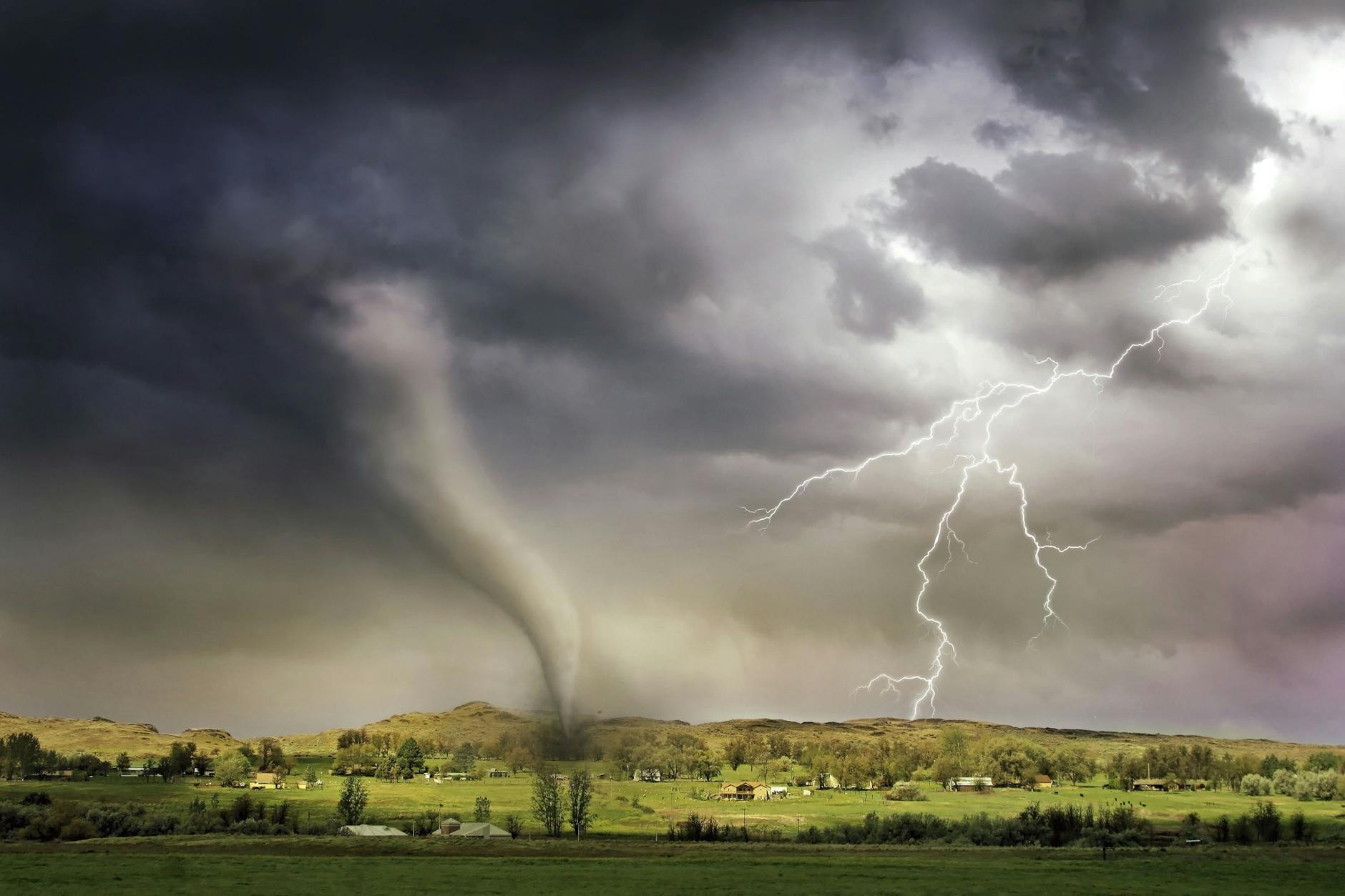
Traditionally, the heart of 'Tornado Alley' has been in the Great Plains, but recent data shows a significant shift eastward, with states like Illinois and Mississippi experiencing unprecedented tornado activity. This dramatic change raises urgent questions about the role of global warming in reshaping our weather patterns. While a warmer atmosphere can fuel stronger storms, scientists are still working to fully understand the complex interplay between climate change and the specific conditions needed for tornadoes to form. This evolving situation underscores the critical need for continued research into how our changing climate impacts extreme weather events.
For years, states like Iowa, Kansas, Nebraska, and Oklahoma were known as the epicenter of tornado activity. However, recent trends reveal a concerning shift, with states further east experiencing a dramatic increase in these powerful storms. Illinois, for example, recorded about 200 tornadoes in just the first half of this year, a stark contrast to its historical average of around 50. Mississippi also saw eight tornadoes hit on a single night in May, highlighting a growing pattern of intense, clustered events.
Scientists like Professor Jeff Trapp from the University of Illinois note that areas east of the Great Plains, including Mississippi, Alabama, Tennessee, Kentucky, and even parts of Southern Illinois and Indiana, are seeing more frequent tornadoes, according to research cited by C2ES. What's more, when tornadoes do form, there tend to be more of them in a single event. While a warmer atmosphere, a known effect of global warming, can certainly provide the energy for severe thunderstorms necessary for tornadoes, the precise impact on other crucial factors, like specific wind conditions, is still complex and not fully understood.
This uncertainty doesn't lessen the urgency. The observed changes emphasize how critical it is for us to understand the broader impacts of climate change on extreme weather. As global temperatures continue to rise, scientists are working tirelessly to unravel these complex links, helping communities prepare and adapt to a future with potentially shifting and more intense weather challenges. Protecting our environment and accelerating sustainable solutions are vital steps in mitigating these risks.