Toyota's AI Leap: Partnership Expands Far Beyond Just Cars

Toyota and NVIDIA are significantly expanding their long-standing partnership, pushing artificial intelligence beyond self-driving cars into various aspects of the physical world. This collaboration covers next-generation vehicles, advanced manufacturing, robotics, and urban infrastructure, marking a major shift towards practical, real-world AI applications. The move highlights AI's potential to drive efficiency and innovation, paving the way for more sustainable industrial practices and smarter, greener future mobility solutions. For both companies, this signifies a crucial step in defining the future of AI-powered technology.
Toyota Motor and Nvidia are deepening their alliance, extending their focus to "physical AI" technologies beyond just self-driving capabilities. This expanded partnership, which began in 2017 with automated driving tests, now integrates Nvidia's computing power, AI software, and simulation platforms across nearly all of Toyota's operations.
This shift means AI will play a central role in vehicle design, manufacturing processes, software development, robotics, and intelligent transportation systems. Toyota aims to improve advanced driver-assistance systems (ADAS) in future vehicles, making them more aware and adaptable to changing road conditions while prioritizing safety, a crucial step towards safer and more efficient transportation.
On the software front, Toyota is leveraging AI to speed up development. By using Nvidia's large language models to create an AI coding assistant, engineers can generate, review, and validate software faster, ensuring quality and safety for the millions of lines of code modern vehicles rely on. This efficiency can reduce resource consumption in development cycles.
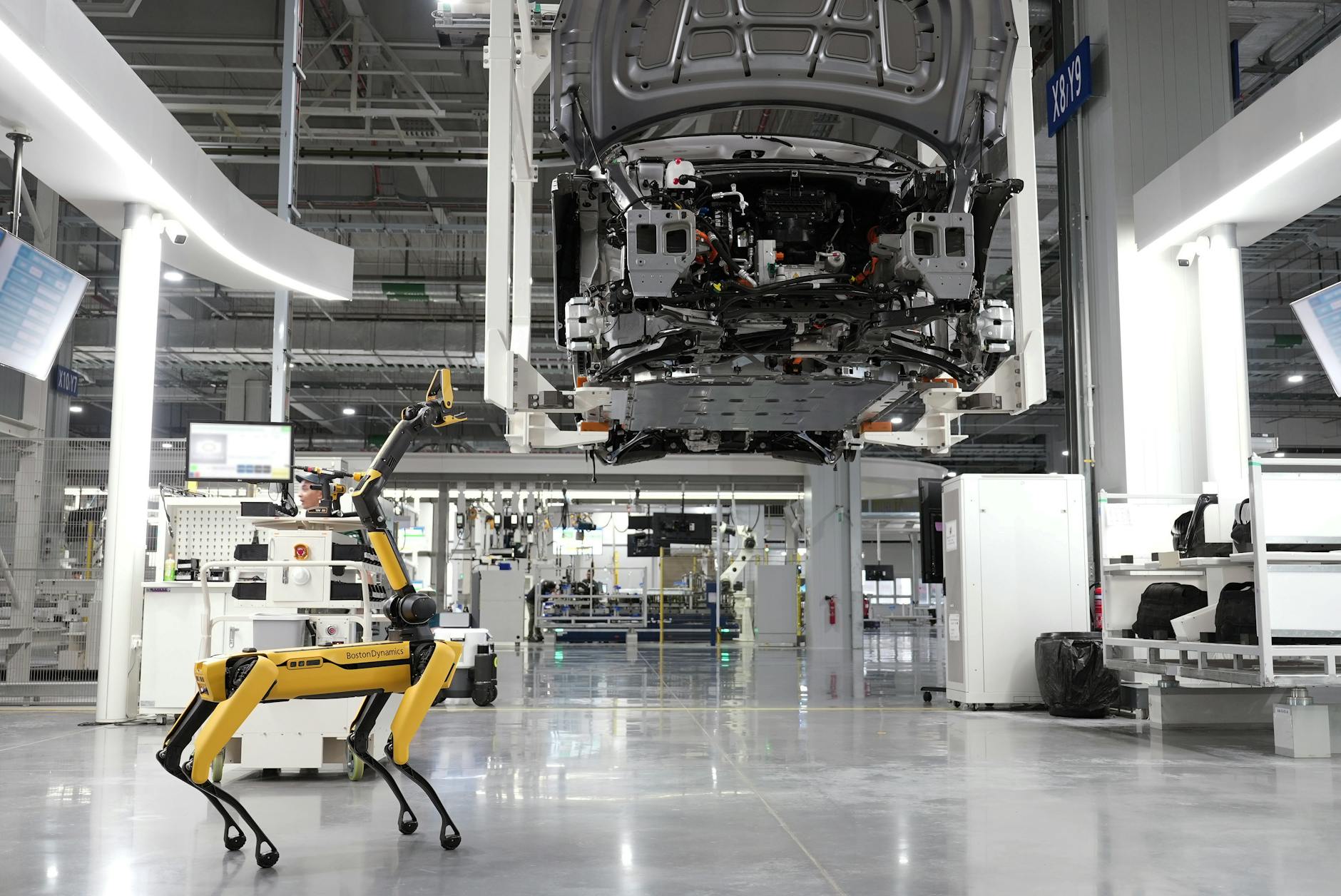
The partnership also extends to manufacturing, where Toyota is building digital twins of its factories using Nvidia's platforms. These virtual environments allow engineers to test robot movements and optimize production lines before implementing changes in the physical world. This approach not only enhances efficiency and lowers costs but also has the potential to reduce waste and energy consumption, contributing to more sustainable manufacturing.
Toyota's mobility technology arm, Woven by Toyota, is also developing AI systems for urban transport and smart cities. By analyzing complex traffic data, these models can interpret road scenarios and anticipate changes, supporting more efficient traffic management and connected networks. Such innovations can lead to reduced congestion, lower emissions, and ultimately foster greener, more livable urban environments.
These initiatives align with Toyota's significant investments in AI, including billions committed to advanced mobility and electric vehicles. Japan itself is betting heavily on AI to address labor shortages and boost competitiveness, seeing it as vital for the nation's economic future and societal progress. For NVIDIA, this partnership is key to expanding its AI ecosystem into physical industries, cementing its leadership beyond cloud computing.
This collaboration underscores AI's profound role in transforming industries and shaping future infrastructure. As factories become digitized and transportation networks grow smarter, partnerships like Toyota and Nvidia’s are crucial for driving innovation that can lead to both economic growth and a more sustainable planet.