Trump Administration Quietly Undoes Ocean Protections. The Cost?

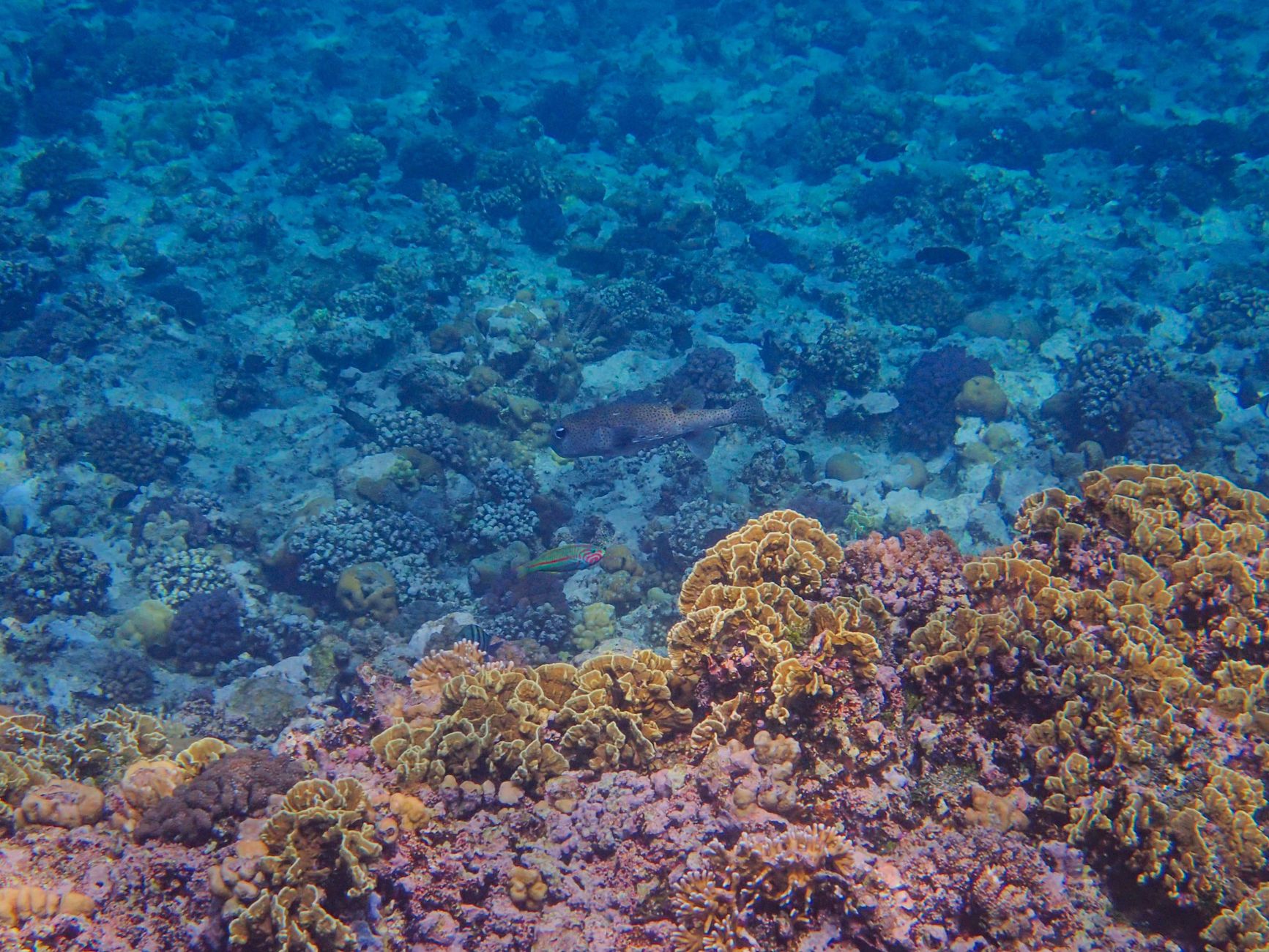
The Trump administration is systematically dismantling established marine protections across U.S. waters, allowing commercial fishing in previously protected sanctuaries. This move, initiated by reopening vast Pacific ocean habitats, is now extending to key marine monuments and broader fishery regulations. Environmental experts warn these actions could lead to disastrous consequences for sensitive marine life, jeopardizing decades of conservation efforts and increasing the risk of overfishing. These changes are a significant setback for ocean health and climate resilience, underscoring the urgent need for environmental safeguards.
The Trump administration has been actively rolling back environmentally focused fishing regulations, opening up vast marine sanctuaries to commercial fishing. In April 2025, President Trump signed an executive proclamation reopening nearly half a million square miles of the Pacific Islands Heritage Marine National Monument. This area, vital for rare and endangered species like Hawaiian monk seals and sea turtles, was initially established by President George W. Bush and expanded by President Barack Obama.
Legal challenges have already begun, with Earthjustice attorney David Henkin arguing the proclamation violates the 1906 Antiquities Act, which protects such lands, and other environmental laws. Despite this, the administration expanded its actions in June, inviting the fishing industry into other critical areas like the Papahānaumokuākea Marine National Monument according to a White House statement. These changes are seen as an attack on conservation, coming at a high cost for sensitive marine areas that are crucial for ocean health and biodiversity.
Beyond opening monuments, the National Oceanic and Atmospheric Administration (NOAA) has proposed regulatory changes that worry environmentalists. Ben Enticknap, Oceana’s Pacific campaign director, points to a plan to lump Pacific sardine populations into one stock, ignoring their unique biology and making them vulnerable to overfishing. Other proposals threaten endangered Stellar sea lions by opening restricted fishing areas and remove critical limits on accidental catches of critically endangered leatherback sea turtles. These decisions, aimed at making the U.S. a “seafood leader,” risk productive ocean habitats and could lead to population crashes, undermining decades of conservation efforts vital for our warming planet.