Türkiye's $15 Billion Green Shift: What's Next for Energy?

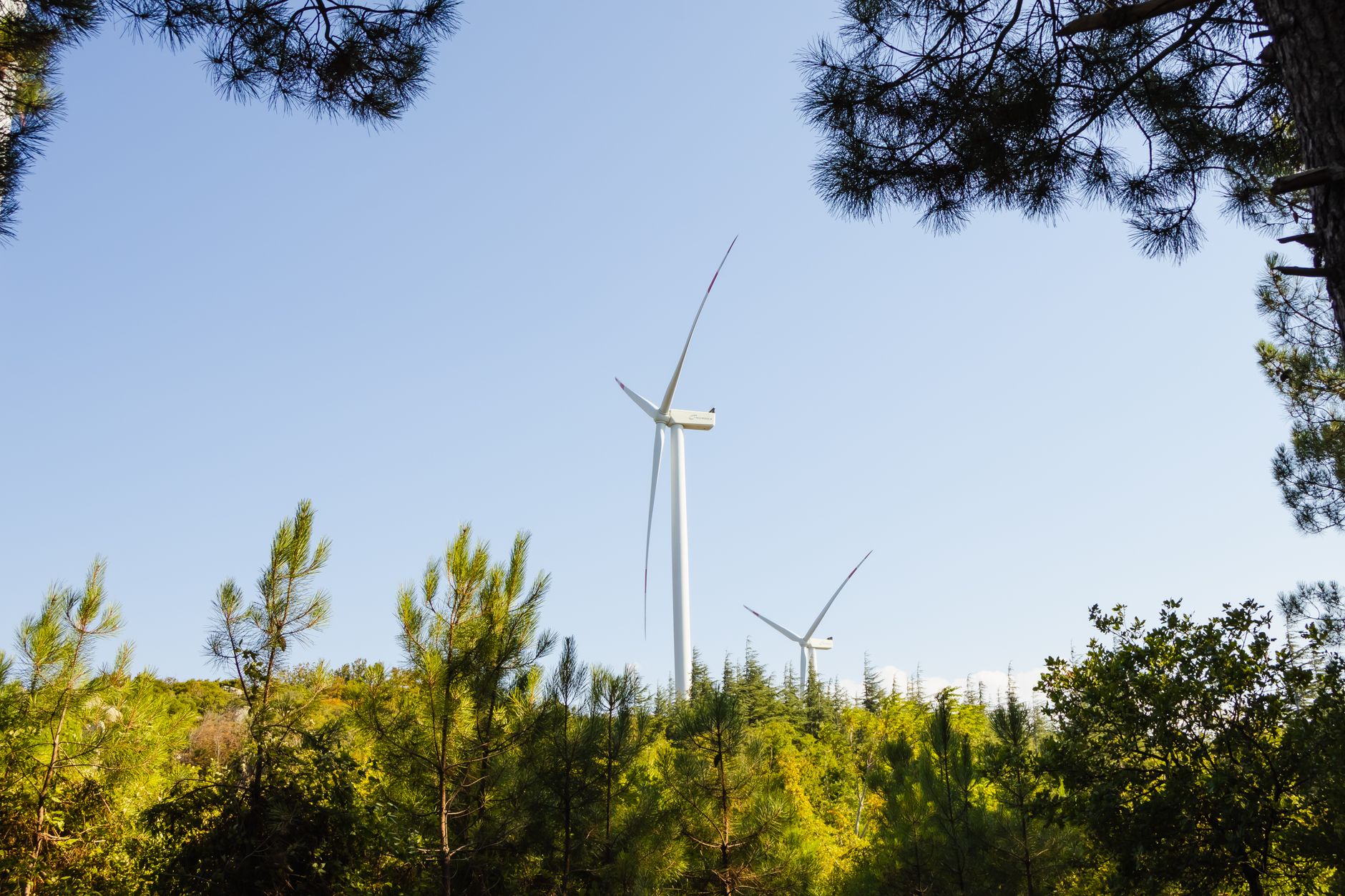
Türkiye has signed a preliminary agreement with China worth an estimated US$15 billion, marking a significant step towards a greener future. Announced during COP31, this deal targets the development of 7 gigawatts (GW) of solar and wind power, alongside new energy storage and transmission infrastructure. This move is crucial for Türkiye's goal to enhance energy security, reduce its reliance on fossil fuel imports, and accelerate its transition to cleaner, more sustainable energy solutions. While specific project details are still emerging, the partnership highlights a strong commitment to combating climate change through renewable energy.
During COP31 in Antalya, Türkiye's Ministry of Energy and Natural Resources and China’s National Energy Administration inked a preliminary agreement. This deal, valued at an estimated US$15 billion, aims to establish 7 GW of new solar and wind capacity, along with 4 GW of electricity transmission infrastructure and advanced energy storage systems. The initiative also includes plans for technology transfer and local production of wind turbine components, fostering a domestic green industry.
This partnership is vital for Türkiye’s ambitious clean energy strategy. The nation seeks to boost its energy independence, moving away from imported fossil fuels, and solidify its energy security. Embracing large-scale renewable projects not only helps stabilize the power supply but also supports economic growth by creating new jobs and local manufacturing opportunities in the sustainable technology sector.
Türkiye has set an ambitious target to reach 175 GW of solar and wind power by 2040, dramatically expanding its current renewable footprint. This growth is essential given the country's rising electricity demand, which is projected to reach 510.5 terawatt-hours by 2035. Despite recent progress in renewables, fossil fuels like coal and natural gas still dominate Türkiye's electricity generation, highlighting the urgent need for this massive shift toward electrification to meet climate goals.
Crucially, the agreement also addresses energy storage and grid modernization. As solar and wind power are inherently variable, robust battery storage systems are necessary to ensure a reliable electricity supply, allowing clean energy to be stored and released when needed. Simultaneously, upgrading transmission networks is essential to efficiently transport renewable electricity across regions, preventing bottlenecks and maximizing the benefits of new green power sources.
These investments align with Türkiye’s commitment to achieving net-zero emissions by 2053, a critical target in the global fight against climate change. By integrating more clean energy and promoting sustainable solutions, Türkiye can significantly cut its carbon footprint and reduce air pollution. This substantial financing package, alongside other climate support from institutions like the European Bank for Reconstruction and Development and the Asian Infrastructure Investment Bank, underscores the collective global effort needed to accelerate the clean energy transition and secure a sustainable future for all. The success of this deal hinges on the upcoming implementation details, which will determine its full impact on Türkiye's energy landscape and its contributions to climate action.