U.S. Biochar Soars: The Quiet Industry Driving Big Climate Wins

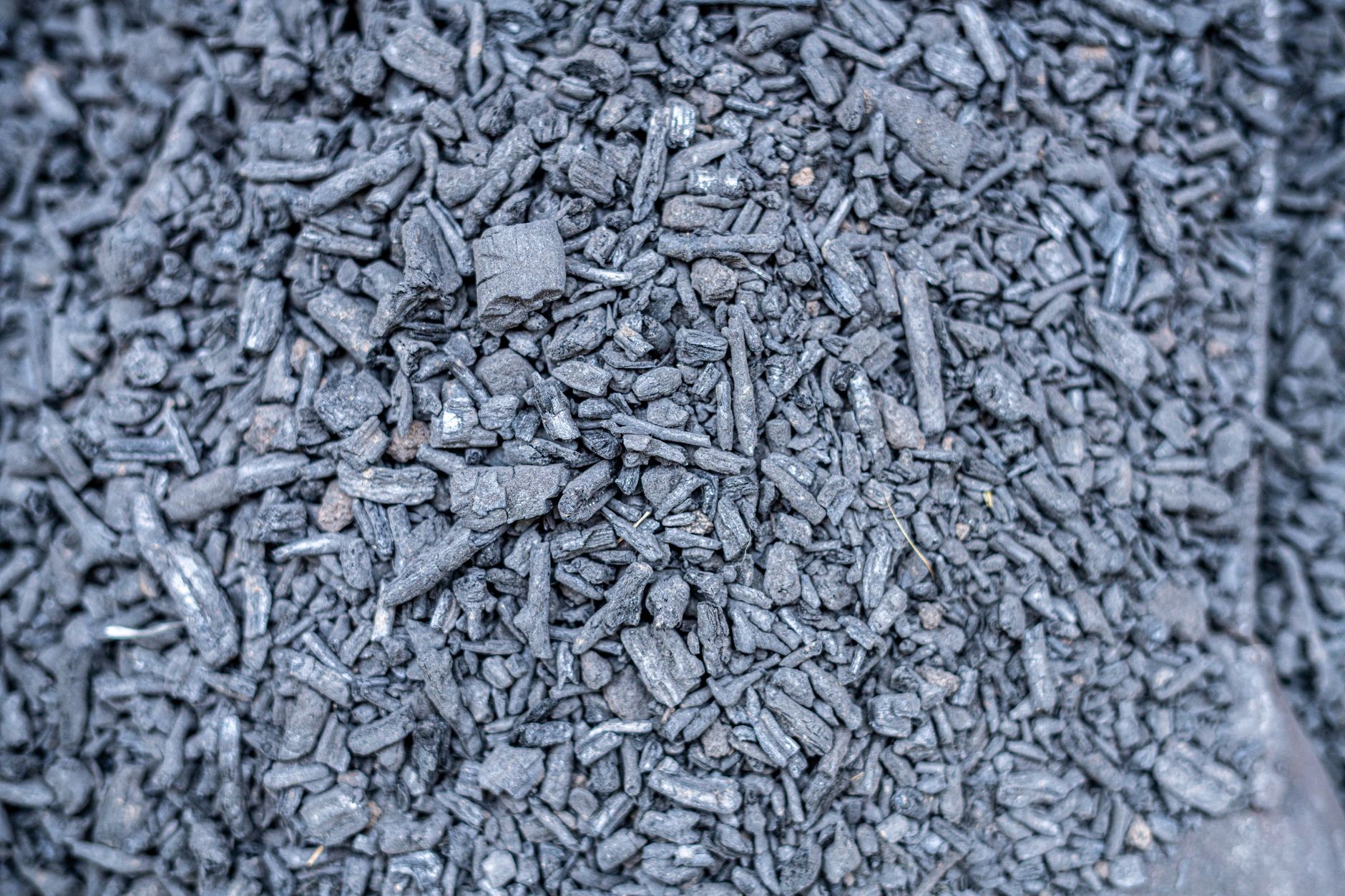
The U.S. biochar industry is experiencing remarkable growth, tripling its value to an estimated $157 million in 2025. This surge is fueled by increasing demand for durable carbon removal credits as companies strive to meet climate goals. Biochar, a charcoal-like substance made from biomass, offers a powerful dual benefit: permanently storing carbon while significantly improving soil health. This expansion signals a vital step forward in deploying practical and sustainable solutions to combat global warming and build a cleaner economy.
A recent report from the U.S. Biochar Initiative (USBI) shows the industry's value grew from about $52 million in 2023 to $157 million in 2025, with annual production reaching over 97,000 metric tonnes. This impressive growth reflects a wider recognition of biochar’s potential not just as a carbon removal tool, but also as a powerful way to enhance agriculture and make better use of waste materials. The United States now hosts over 130 biochar production facilities, creating jobs in various sectors and showing confidence in continued demand.
Much of this growth is driven by companies seeking to buy carbon removal credits to offset their environmental footprint. Biochar is proving to be a highly effective solution, having supplied over 90% of all durable carbon removal credits globally in 2025, according to CDR.fyi. Major companies like Microsoft, Google, and JPMorgan Chase are investing in large biochar carbon removal agreements, which are crucial for developers to build bigger facilities and ramp up production.
Biochar stands out among climate solutions because it’s a mature and readily available technology. Unlike some newer methods, commercial biochar plants are already operating at scale. It's modular, uses widely available biomass waste (like agricultural and forestry residues that might otherwise be burned or left to decay), and is generally more affordable to implement. These advantages highlight why biochar has become a leading source for reliable carbon removal credits, offering tangible progress in our urgent fight against climate change.
Beyond just storing carbon, biochar delivers significant environmental benefits, especially for soil. Studies by the U.S. Department of Agriculture (USDA) confirm that biochar can improve soil structure, help soil hold more water, and reduce nutrient loss. These improvements can lead to better crop yields for farmers, making agriculture more efficient and sustainable. Turning waste biomass into biochar also creates new income opportunities for rural communities, connecting environmental protection with economic growth.
Despite this rapid expansion, the industry faces challenges, including the need for more financing to scale up production and the importance of maintaining high standards for carbon accounting and sustainable practices. Buyers demand credible carbon credits that truly represent durable carbon removal, emphasizing the need for robust verification methods like Verra’s VM0044.
The outlook remains strong. Experts predict the global carbon removal market could reach $100 billion to $135 billion annually by 2050 if we are to achieve net-zero emissions. Biochar, with its dual benefits for climate action and agricultural health, is well-positioned to play a crucial role in achieving these global climate goals. Its continued growth represents a significant step towards a more sustainable and environmentally conscious future.