U.S. Cancels Key Rule: What's Next for America's Threatened Wildlife?

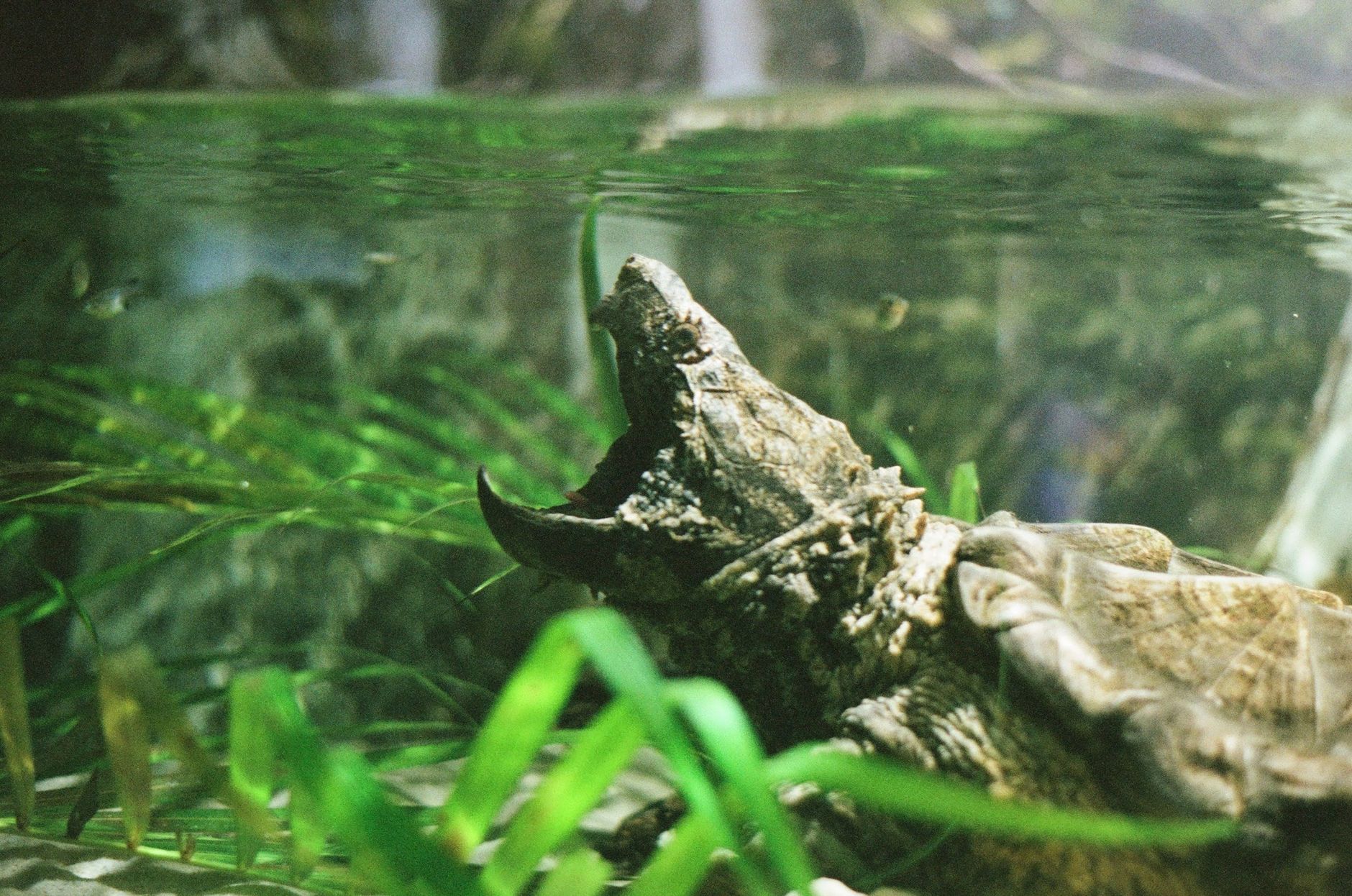
The U.S. government has rolled back critical protections for plants and animals on the brink of extinction. A new policy means threatened species will no longer automatically receive "blanket" safeguards, instead requiring lengthy individual plans that could allow for development in their habitats. Environmental advocates warn this move, which also considers economic impacts in habitat decisions, makes it significantly harder to save vulnerable wildlife like monarch butterflies and alligator snapping turtles. This shift reintroduces changes made during a previous administration, threatening to accelerate biodiversity loss and undermine decades of conservation efforts. The urgency of protecting these species and their habitats is paramount for maintaining healthy ecosystems.
The U.S. Interior Department has canceled a key rule designed to protect animals and plants facing extinction. This means that once a species is added to the "threatened" list, it won't automatically get full protections. Instead, each species will need its own specific protection plan, a process that can take a long time and open doors for companies to seek permission for activities like oil drilling or mining in critical habitats.
Another significant change requires officials to consider economic effects when deciding which areas are vital for a species' survival. Critics argue this gives businesses a chance to influence decisions, potentially prioritizing development over the needs of wildlife. Environmental groups, like the Center for Biological Diversity, warn that exempting industries causing habitat destruction essentially removes the main protection for these species.
Interior Secretary Doug Burgum stated that the Endangered Species Act has been misused, halting projects and increasing costs. He believes success should be measured by species recovery, not just by adding more to the list. However, environmentalists counter that weakening these rules jeopardizes creatures already struggling to survive, like the California spotted owl and Canada lynx, which face additional pressure from climate change.
These policy changes echo previous efforts by a past administration that were later reversed. Historically, the Endangered Species Act has been incredibly successful, helping to bring iconic animals like the bald eagle, California condor, and American alligator back from the brink. The current administration has seen far fewer species added to protected lists compared to previous ones, with no species added in its second term, highlighting a concerning trend for biodiversity. Protecting these vulnerable populations and their habitats is crucial for the health of our planet and the future of its diverse life.