U.S. Solar Sees Billions Pour In: What's Driving the Surge?

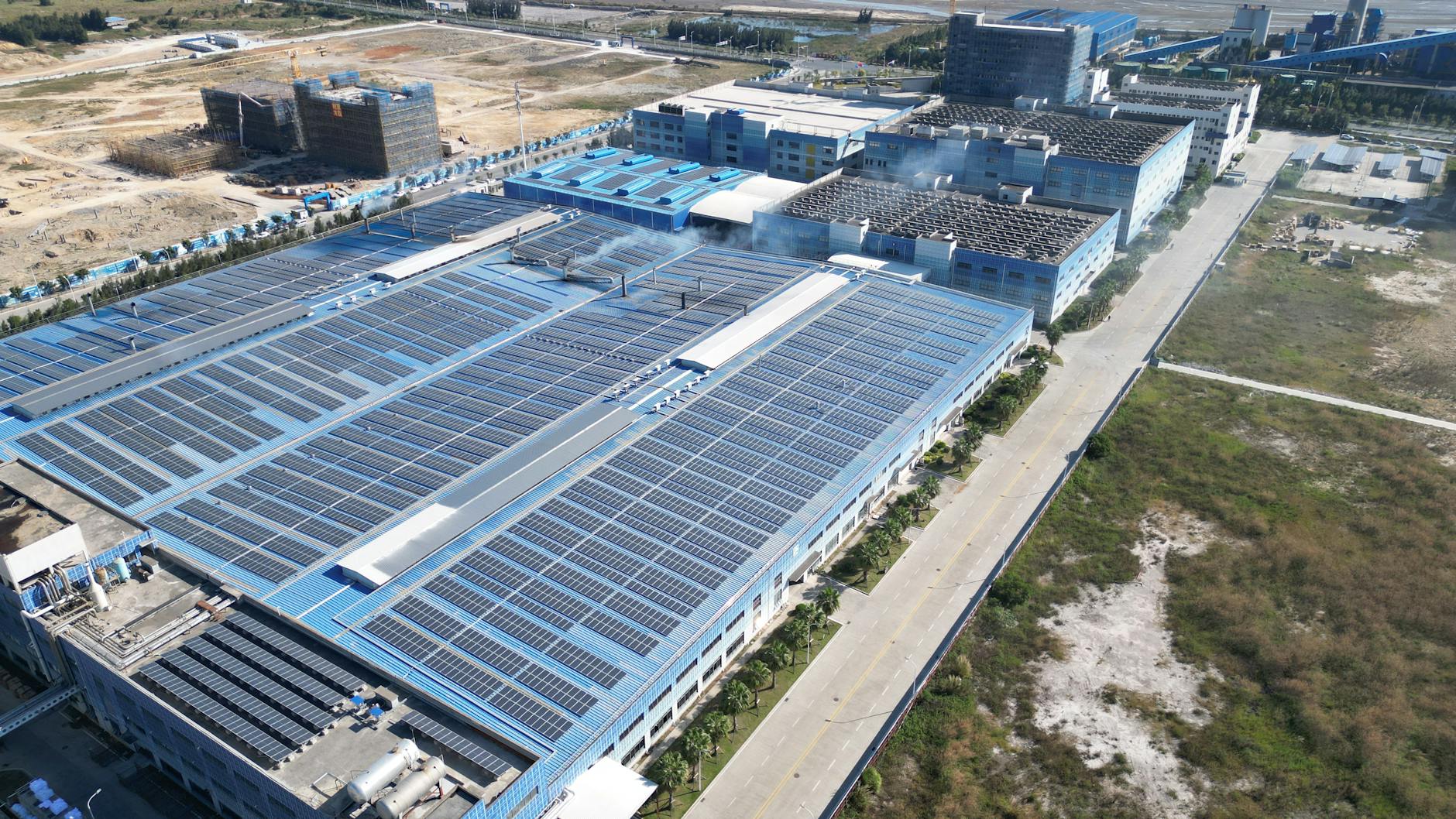
The U.S. solar industry is undergoing a monumental transformation, pivoting sharply towards domestic manufacturing. A staggering $12.2 billion is expected to be invested in U.S. solar factories by the end of 2026, marking a pivotal shift away from overseas reliance. This surge in homegrown production is crucial for building a more resilient, sustainable energy future and accelerating our progress in tackling climate change. With significant expansion in module and cell manufacturing capacity, the nation is building a robust foundation for cleaner energy independence.
The U.S. solar industry is experiencing an unprecedented surge in domestic investment. Since the Inflation Reduction Act in 2022, cumulative capital expenditure in U.S. solar photovoltaic manufacturing is projected to hit an impressive $12.2 billion by the end of 2026, according to analysis by Terawatt PV Research reported by pv magazine. This represents more than half of all U.S. solar manufacturing investment since 2001, underscoring a clear commitment to electrifying our nation with homegrown clean energy.
This isn't just about announcements; it's about tangible growth. Recent data from Wood Mackenzie and the Solar Energy Industries Association (SEIA) reveals that operational module manufacturing capacity in the U.S. has reached 75.3 GW, with an additional 14.4 GW currently under construction. Furthermore, domestic solar cell manufacturing is rapidly expanding, reducing a key weakness in the supply chain and reinforcing the importance of creating secure, local sources for our clean energy needs. States like Texas and regions across the Southeast are emerging as critical hubs for this new manufacturing wave, strengthening local economies while powering the national transition to sustainable solutions.
Strong demand is keeping these new factories busy. The U.S. installed 11.4 GWdc of solar capacity in Q2 2026 alone, a 45% increase from the previous year, primarily driven by large-scale utility projects. The U.S. Energy Information Administration (EIA) forecasts that solar capacity will reach 181 GW and provide 8% of the nation's electricity by 2026, with an impressive 43.4 GW of new utility-scale solar planned for the year, as detailed in their latest short term energy outlook. This rapid growth is essential as overall U.S. electricity demand continues to rise, especially from data centers and manufacturing, highlighting why clean, reliable energy sources are more vital than ever.
Looking ahead, Wood Mackenzie expects annual U.S. solar installations to average around 44 GWdc through 2031, with cumulative solar capacity potentially exceeding 545 GWdc by that year, and reaching 769 GW by 2036. This ambitious path towards a fully electrified and decarbonized grid will not be without challenges, including permitting delays, grid interconnection issues, and evolving trade policies that can impact equipment costs. However, the benefits of transitioning to clean, renewable solar power — including reduced emissions, enhanced energy security, and long-term economic stability — far outweigh these hurdles. The shift towards robust domestic manufacturing means we are not just installing solar panels; we are building an entire ecosystem that supports a cleaner, healthier planet for generations to come.
The massive $12.2 billion investment signifies a new chapter for U.S. solar. It reflects a powerful movement beyond initial factory announcements to actual production, capital deployment, and the creation of a competitive, domestic supply chain. This commitment to home-grown clean energy is a crucial step in accelerating global warming action and harnessing the benefits of electrification.