U.S. Trucking: A Silent Revolution Is About to Hit Our Roads

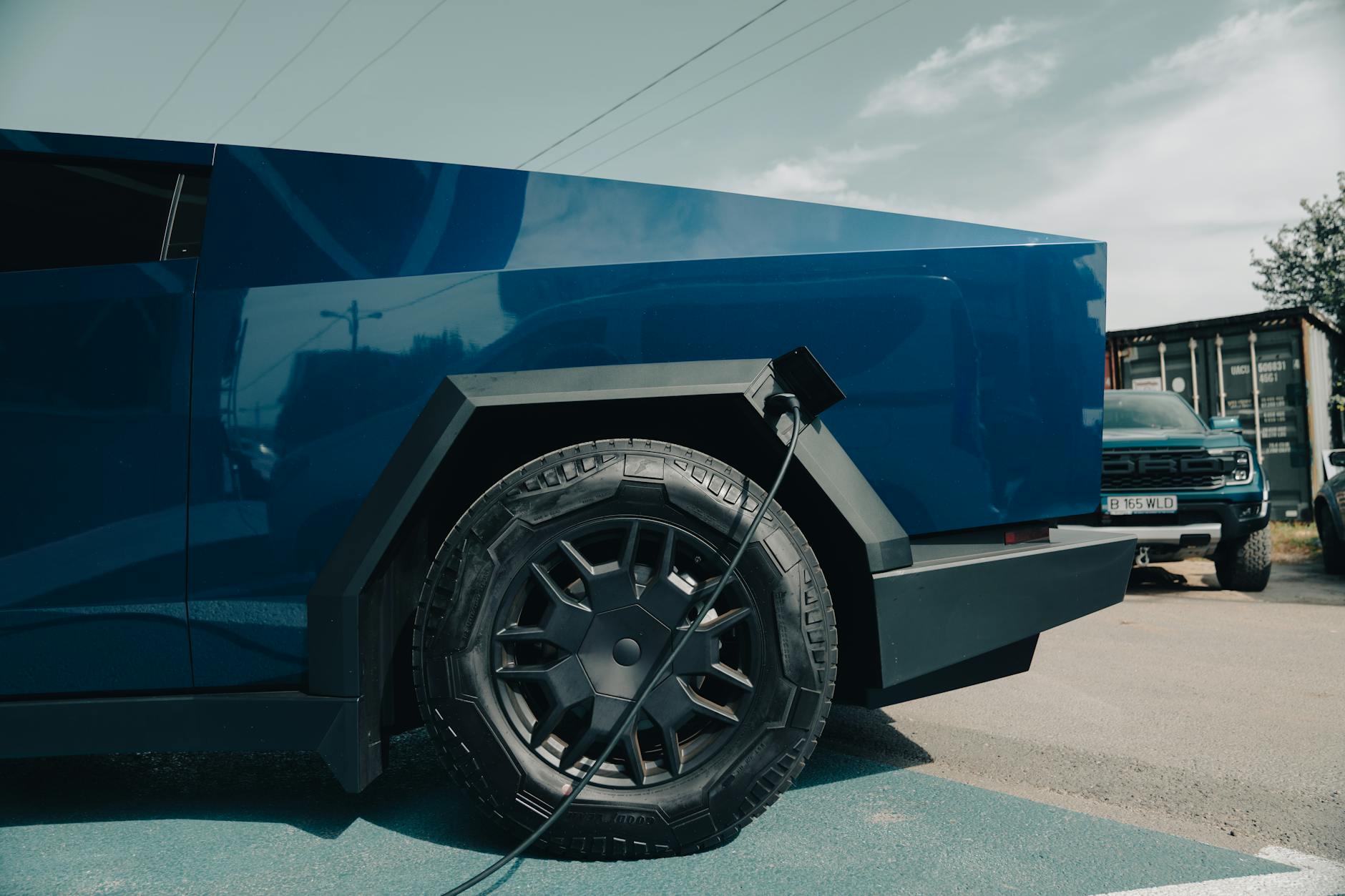
The U.S. trucking industry is making a monumental leap toward a greener future with the largest order of electric Class 8 trucks to date. This ambitious initiative, spearheaded by the ZET SCALE program with support from major companies like Microsoft and PepsiCo, aims to deploy 2,500 battery-electric trucks, potentially doubling the nation's existing heavy-duty electric fleet. This move is crucial for significantly reducing emissions from the transportation sector, a leading source of greenhouse gases, and highlights the urgent shift towards sustainable solutions.
The journey to electrify U.S. freight is gaining serious momentum. A new alliance, Zero-Emission Truck Shipper-Carrier Alliance Leading Electrification (ZET SCALE), has secured an order for 2,500 battery-electric Class 8 trucks, marking a significant step from pilot programs to widespread adoption. This historic procurement, with Tesla as the primary manufacturer and Kenworth, Volvo, and RIDE as secondary options, is set to nearly double the number of electric heavy-duty trucks on American roads.
This electrification push is vital because transportation is the biggest contributor to U.S. greenhouse gas emissions. Medium- and heavy-duty trucks alone account for nearly a quarter of these emissions, with long-haul trucks being particularly impactful due to their high mileage and heavy loads. Currently, diesel and gasoline dominate the fleet, making the shift to electric solutions incredibly urgent for our climate.
While electric truck sales are growing, heavy-duty adoption has been slow. In 2025, only about 875 zero-emission heavy trucks were sold in the U.S., representing a tiny fraction of the market. The ZET SCALE order therefore stands out as a game-changer, demonstrating a serious commitment to scaling up.
Tesla's Semi electric truck, which boasts a 500-mile range and rapid charging capabilities, is at the heart of this major order. This commercial opportunity allows Tesla to ramp up production and move towards large-scale deployment, as the company has recently started high-volume manufacturing at a new factory in Nevada.
The genius behind ZET SCALE is how it tackles a big problem: fragmented demand. Individual companies often hesitate to buy many electric trucks due to costs and infrastructure worries. By pooling demand from major players like Microsoft and PepsiCo, the alliance creates a larger buying group. This encourages manufacturers to offer better deals and allows for shared charging infrastructure, making electrification more affordable and practical. This model also provides financial support and valuable operational data to help companies make the switch.
Initial deployments will strategically focus on ten major freight hubs, including key regions in California, Texas, Chicago, and Atlanta. This concentrated approach ensures that charging infrastructure can be maximized and trucks can operate efficiently where they are needed most. This strategy recognizes that successful electrification requires more than just electric vehicles; it demands a robust supporting ecosystem.
This 2,500-truck order is just the beginning. ZET SCALE aims to expand to 10,000 or more electric trucks, inviting more companies to join the movement. This initiative shows that the challenge is no longer just about building an electric truck, but about creating an entire commercial system around it. By bringing together shippers, carriers, manufacturers, and financiers, this approach offers a clear path for freight companies to electrify, reducing pollution and protecting our environment for future generations. It's a powerful example of collective action driving significant progress in climate action.
For more details, refer to the press release from Smart Freight Centre and Catalyst Mobility and the EPA's data on transportation emissions.