UAE Could Get Tesla FSD Next Month: What Changes?
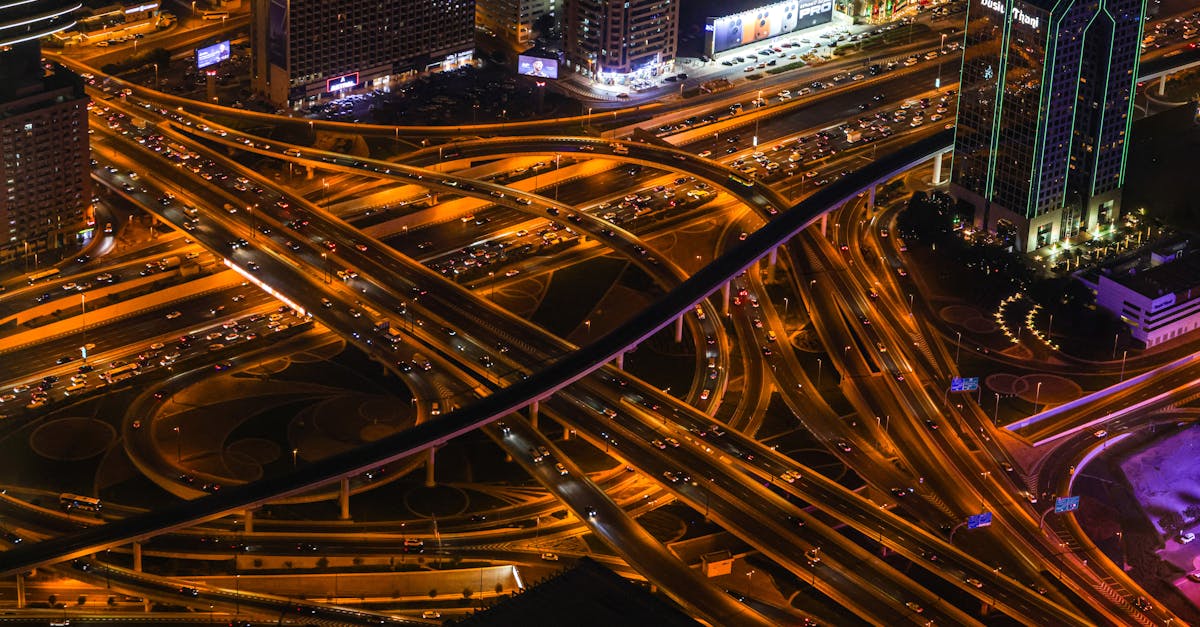
Tesla's Full Self-Driving (Supervised) system could arrive in the United Arab Emirates as early as January 2026, according to CEO Elon Musk. This highly anticipated move would mark a significant expansion of advanced driver-assist technology into the Middle East, starting with bustling cities like Dubai and Abu Dhabi. The system aims to offer hands-off highway driving, urban navigation, and automated parking, all under driver supervision. This development highlights the accelerating global adoption of electric vehicle technologies, pushing forward a future of more sustainable and intelligent transportation.
Elon Musk recently hinted at the UAE launch on X, responding to an inquiry from a local political analyst. He suggested the rollout could happen "next month," following his visit to the country where he met with key officials, including Dubai Crown Prince HH Sheikh Hamdan bin Mohammed. This potential expansion into the UAE means drivers could soon experience hands-off highway travel and seamless urban navigation, significantly enhancing the driving experience in congested areas.
The arrival of advanced systems like FSD underscores a global shift towards cleaner, more efficient transportation. Electric vehicles equipped with such technology represent a leap forward from traditional fossil-fuel cars, offering not just a reduced carbon footprint but also a smarter, safer way to travel. As more countries embrace these innovations, it accelerates our collective journey toward a sustainable future, where technology helps protect our planet while improving daily life.
FSD (Supervised) has already earned praise, with Germany's largest car magazine, *Auto Bild*, noting its impressive perception and consistent attention during urban tests in Berlin. A journalist highlighted how the system "sees more than I do" and "never gets tired," underscoring its potential to improve road safety and efficiency. This global recognition reinforces the growing confidence in advanced driving aids, paving the way for wider adoption and a greener transport ecosystem.