Uber's EV Growth Soars, But One Key Goal Remains Distant

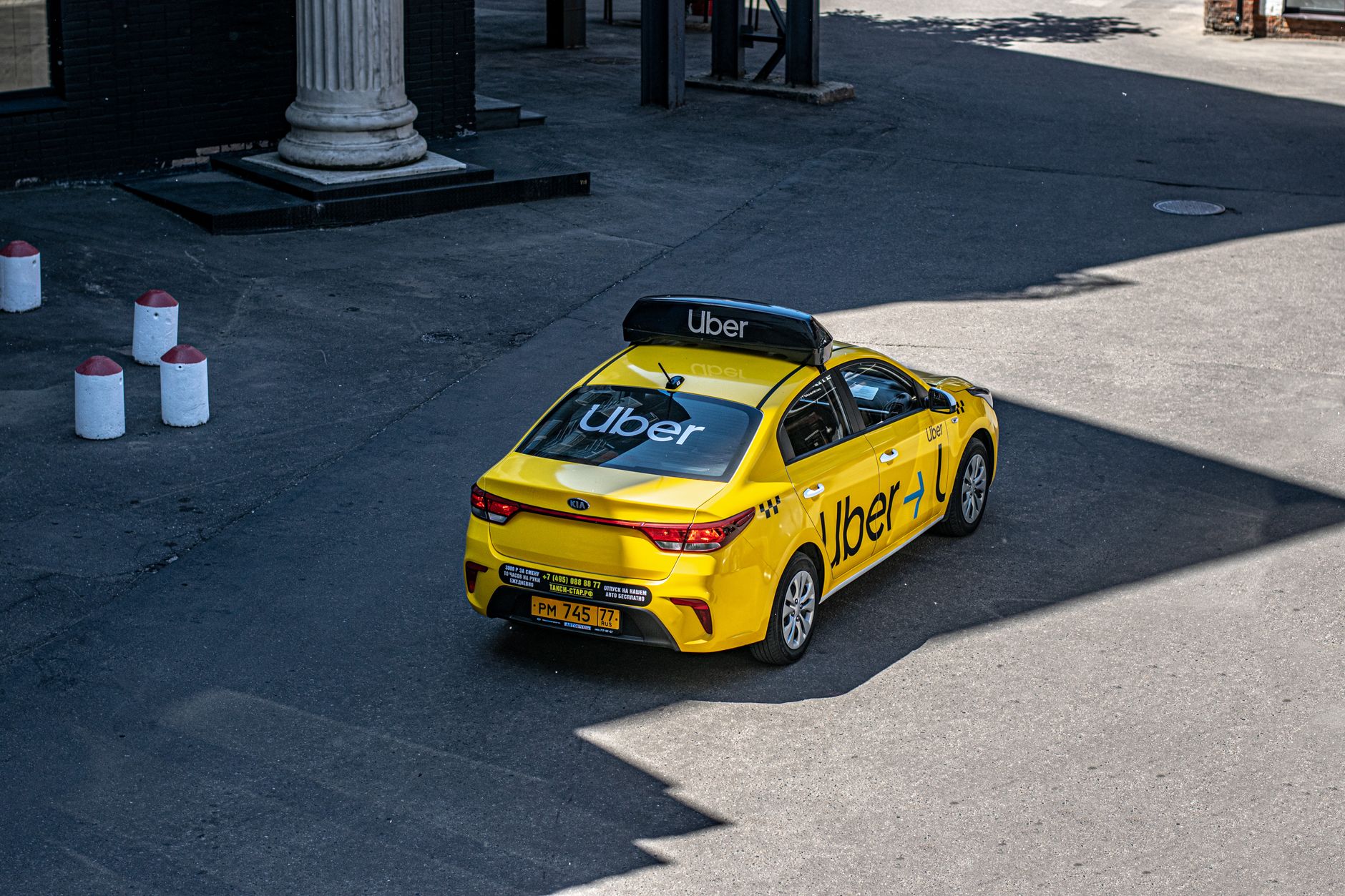
Ride-hailing giant Uber is seeing an unprecedented surge in electric vehicle (EV) trips, marking a significant step towards cleaner transportation globally. In the third quarter, over 207 million rides were completed in EVs, meaning more than 26 zero-emission trips every second. This dramatic increase reduces the carbon footprint of daily commutes, contributing positively to global climate action. However, despite this impressive growth and driver adoption, Uber acknowledges that its ambitious long-term sustainability goals remain challenging to achieve.
Uber is hitting new milestones in its move towards electrification, with a record number of zero-emission rides completed. Globally, over 424,000 Uber drivers used an electric vehicle in the last quarter, representing a 52% jump from the previous year. This surge meant that, on average, more than 26 electric trips were taken on the platform every single second, showcasing a clear momentum towards cleaner urban mobility. This shift highlights the critical role of electrification in reducing urban pollution and tackling the climate crisis.
There's a noticeable difference in EV adoption across regions. In Europe, one in five Uber journeys now happens in an electric car, thanks in part to various incentives and a stronger charging network. Meanwhile, in North America, roughly one in ten trips is electric. Uber has tried to encourage this switch with cash bonuses for drivers, but the pace of change lags significantly behind Europe, emphasizing the importance of supportive infrastructure and policy to accelerate the transition to sustainable transport.
Despite these positive trends, Uber admits it's unlikely to meet its ambitious zero-emission goals for 2030, and it fell short of almost all its 2025 targets. For example, the goal for 100% zero-emission rides in London and Amsterdam by 2025 was only met by 41%. This gap underscores the continuous challenge of transitioning away from fossil fuels and the urgent need for widespread sustainable solutions, even for committed companies.
The company also reported varying carbon emissions per mile. While average emissions are decreasing in some areas compared to previous years, the overall picture isn't always linear, and the widespread adoption of traditional gas-powered cars still contributes significantly to the company's footprint. Uber remains committed to its green transition, but acknowledges that many factors influencing the speed of change are beyond its direct control. Ultimately, accelerating this transition is vital for achieving cleaner air and a healthier planet for everyone.