UK's £2.5B Fusion Plan: How It Fuels Both Clean Energy and AI?

The UK government has launched its ambitious Fusion Energy Strategy 2026, pledging a £2.5 billion investment over five years. This bold plan aims to establish the UK as a leader in commercial fusion power, turning this groundbreaking science into a reliable, clean energy source. Beyond energy independence, the strategy links the development of fusion to economic growth, job creation, and crucially, the expansion of artificial intelligence capabilities. This move highlights a powerful commitment to sustainable solutions and a future less reliant on fossil fuels.
The UK's new strategy makes it clear: fusion energy is a top priority. As global energy markets remain uncertain, moving away from fossil fuels is essential for stability. Fusion offers a compelling solution—it’s clean, virtually limitless, and can provide constant power, unlike renewable sources that depend on weather conditions. This reliable energy will be vital to meet rising electricity demands, especially from industries and the rapidly expanding world of AI.
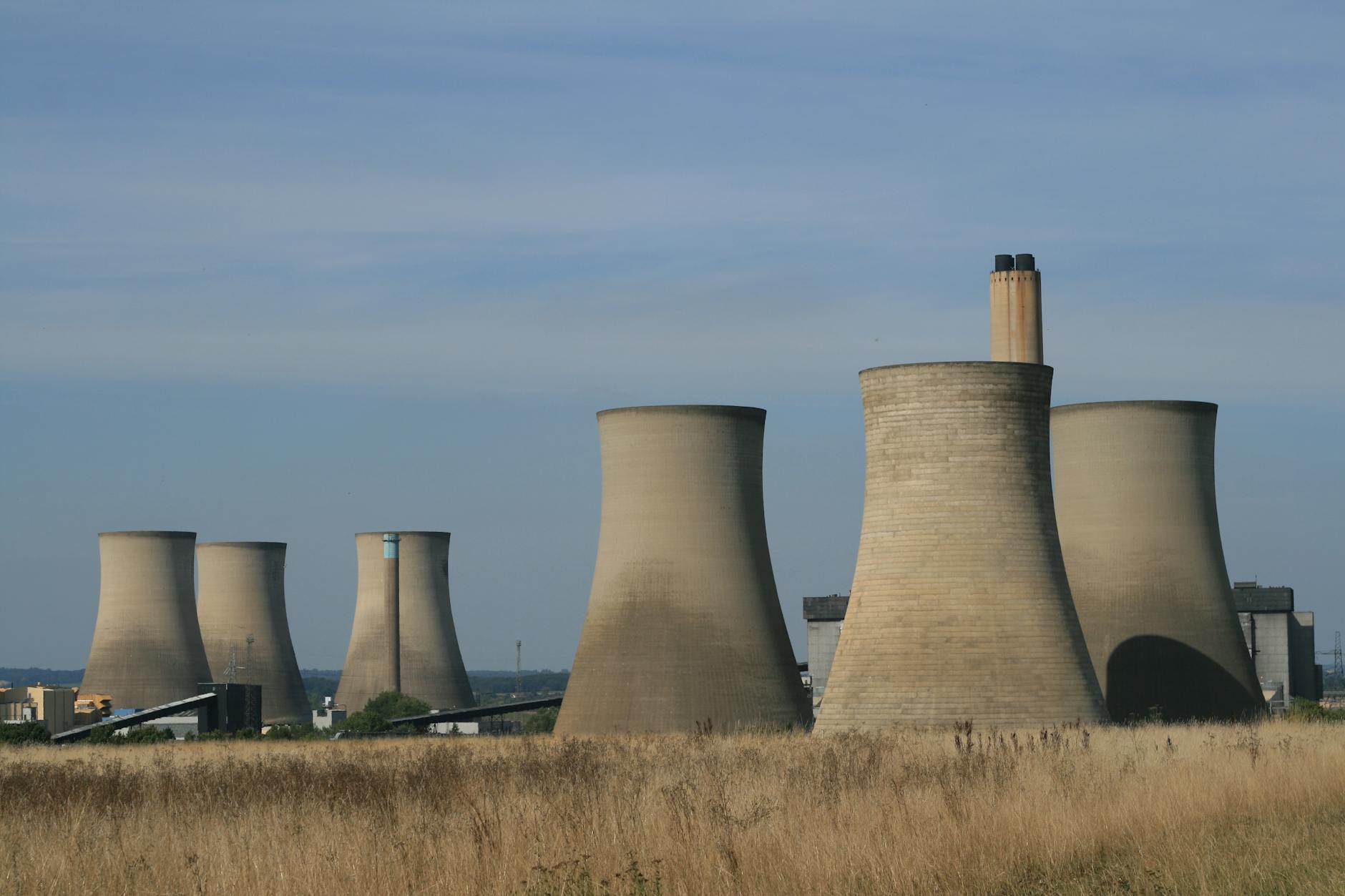
A significant part of this investment, £1.3 billion, is earmarked for the Spherical Tokamak for Energy Production (STEP) program. This initiative aims to design and build the UK's first prototype fusion power plant on a former coal site in Nottinghamshire. With construction planned to start in 2030 and finish by 2040, STEP is designed to prove that fusion can generate net energy on a commercial scale, sparking a broader clean energy revolution.
Beyond building a prototype, the strategy focuses on growing an entire industrial ecosystem. Over 500 companies are already involved in fusion globally, and the UK aims to attract more. The potential global market for fusion could be enormous, driving innovation not just in energy, but also in related fields like aerospace, automotive, and healthcare.
Perhaps most exciting is the strategy's focus on artificial intelligence. Fusion systems are incredibly complex, requiring precise control over extreme temperatures and fast reactions. AI is seen as crucial for tackling these challenges, speeding up simulations, improving designs, and optimizing operations. The UK is investing £45 million in a dedicated AI supercomputer called Sunrise and turning the Culham campus into an AI Growth Zone. This dual relationship is key: AI helps unlock fusion, and eventually, fusion could power the energy-intensive data centers that drive AI, creating a sustainable loop for future technological advancement.
To ensure smooth progress, the Department for Energy Security and Net Zero (DESNZ) is developing a roadmap for fusion regulation, due by Summer 2026. This will give investors and developers the clarity they need regarding safety, environmental standards, and planning approvals. By working closely with industry and regulators, the UK is building a framework that will allow these revolutionary clean energy solutions to thrive safely and efficiently. The UK Atomic Energy Authority (UKAEA Group) is the backbone of this ambition, transforming scientific research into real-world innovations like advanced robotics and fuel cycle systems, ensuring public research benefits society at large.