Ukraine Peace Plan Unveiled: Four Commitments to End the War

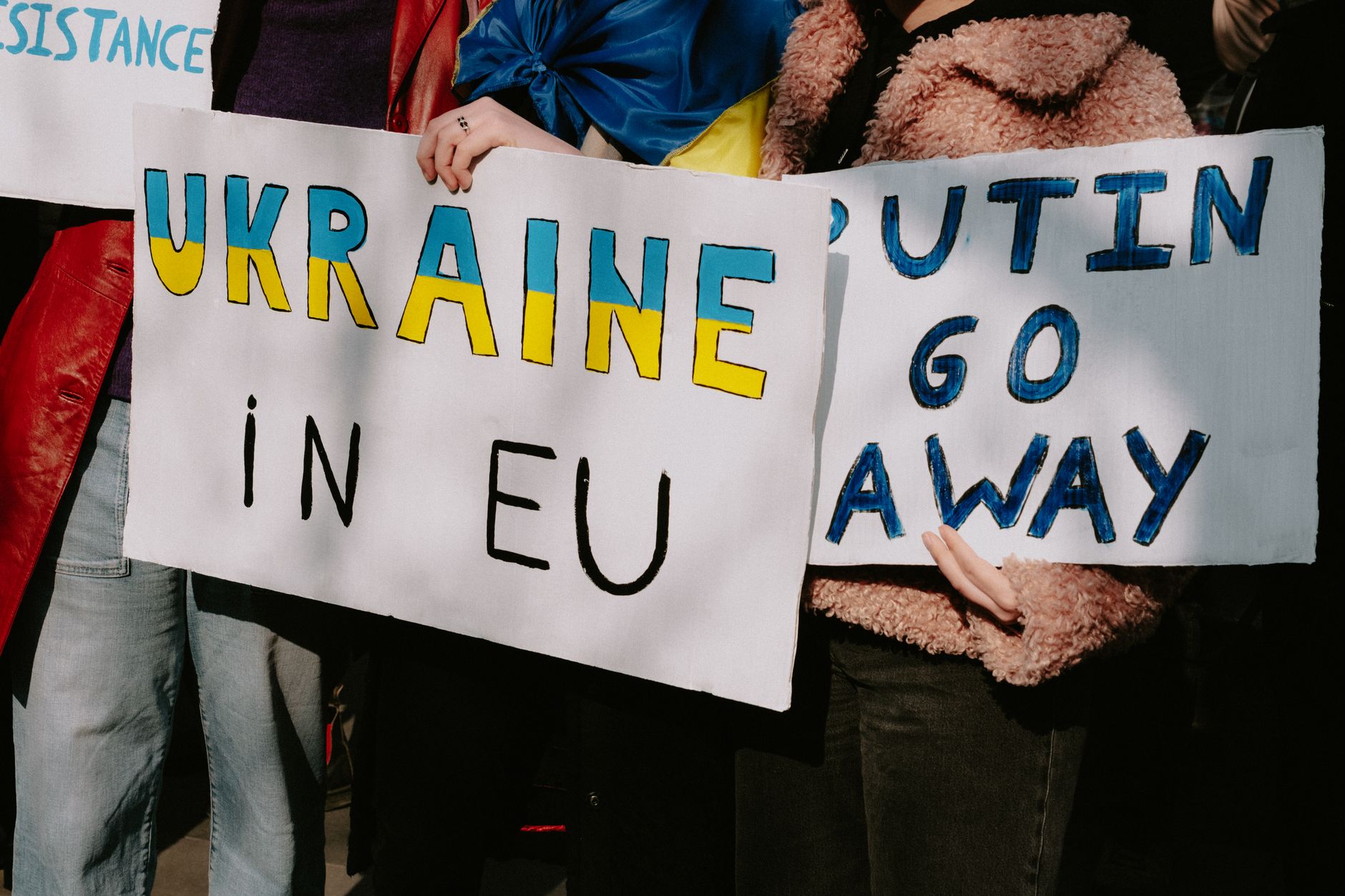
A new framework has been proposed to permanently end the war in Ukraine, aiming to protect Ukraine’s statehood while addressing Russia’s security concerns. Developed by Jeffrey D. Sachs, this comprehensive plan is designed as a single package, to be adopted by the UN Security Council and guaranteed by global powers. The proposal centers on four core commitments, including Ukraine’s permanent neutrality and a defined path for its European Union membership. This initiative seeks to lay the foundation for a lasting European security order, preventing further conflict and immense human cost.
The proposed peace framework for Ukraine is built upon four central commitments. First, Ukraine would adopt permanent neutrality, similar to Austria's 1955 model, agreeing not to join any military alliances or host foreign forces. This would allow Ukraine to maintain its own armed forces for defense while aligning with its 1990 Declaration of State Sovereignty. Second, Ukraine could pursue European Union membership as a neutral state, with Russia affirming this path as consistent with its security interests.
Third, an armistice line would be drawn along the current line of contact, with both sides exercising de facto control without recognizing the other's territorial claims, and renouncing future force. This approach respects both countries' constitutional restrictions on territory cession. Key territorial adjustments include Ukraine withdrawing from parts of Donetsk region to create a demilitarized zone, Russia withdrawing from specific areas in Dnipropetrovsk and Kinburn Spit, and the creation of a demilitarized Northern Security Zone along the border. The Zaporizhzhia Nuclear Power Plant would remain under Russian control with IAEA oversight, providing agreed electricity to Ukraine.
The fourth commitment involves NATO ending its eastward enlargement, specifically retracting the 2008 Bucharest pledge regarding Ukraine. The settlement also aims to repair broader European security by re-establishing diplomatic relations, agreeing on a moratorium for intermediate-range missiles, and preventing the deployment of nuclear weapons in additional states. The Organization for Security and Co-operation in Europe (OSCE) would play a crucial role in monitoring the settlement, verifying arms limits, and overseeing provisions on human rights, language, and culture.
Humanitarian aspects are also addressed, including an all-for-all prisoner exchange, release of detained civilians, and reunion of separated children. Sanctions would be lifted in 2027, with Russia’s immobilized assets released and private property restored. An international reconstruction fund, managed by the European Investment Bank, would finance rebuilding efforts on both sides, with contributions from all parties. This framework aims to tackle the root causes of the conflict, offering a comprehensive and structured path to end a war that has claimed hundreds of thousands of lives and poses ongoing risks of confrontation between nuclear powers. This blueprint seeks to empower European governments to lead in forging an "indivisible security" for the continent.