UN Assembly Reveals Two Starkly Different Paths Forward

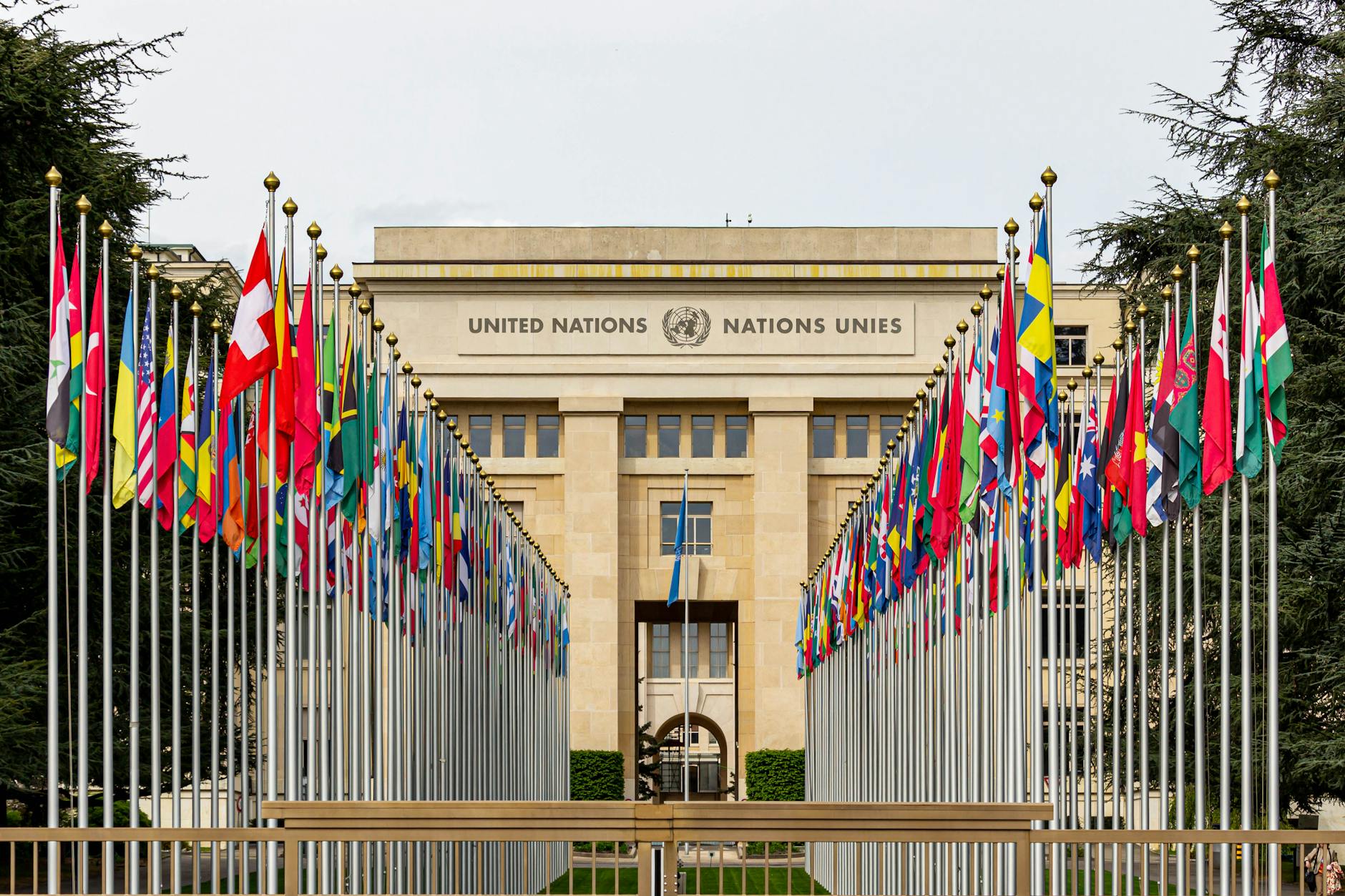
The 81st United Nations General Assembly opened with a sharp contrast in global climate visions for a sustainable future. Brazil's President Lula da Silva advocated for urgent decarbonization, forest protection, and technology transfer to combat a shared climate emergency. In stark opposition, U.S. President Donald Trump dismissed global warming warnings, rejected climate regulations, and championed fossil fuel expansion. This critical divide emerged as the world grapples with record-breaking heat, an impending El Niño, and escalating energy and geopolitical crises, underscoring the urgency of climate action.
The opening of the UN General Assembly brought two profoundly different approaches to the world's most pressing environmental challenges into sharp focus. Brazil’s President, Luiz Inácio Lula da Silva, called for immediate action, emphasizing the need to decarbonize economies, protect vital forests, and advance the energy transition through shared technology. He framed climate policy and environmental protection as essential parts of a global effort to manage systemic risks, urging nations to “inflict a defeat on denialism” as glaciers melt and extreme weather events intensify, disproportionately affecting vulnerable communities. Brazil, he noted, demonstrates that economic progress and reduced emissions can go hand-in-hand, and he also stressed the importance of governing powerful new technologies like AI responsibly.
In stark contrast, U.S. President Donald Trump used his address to dismiss warnings about global warming and reject international climate and artificial intelligence regulations. He celebrated the abundance of fossil fuels as a cornerstone of national power, mocking those who caution against climate change. Trump stated there would be no global carbon taxes or international oversight on AI during his presidency, presenting these as threats to sovereignty rather than collective solutions to global problems. His speech underscored a vision where national strength is built on fossil fuel dominance and technological supremacy, rather than environmental collaboration.
This fundamental disagreement comes at a critical time for our planet. June 2026 was the second-warmest on record globally, and Western Europe experienced its hottest June ever measured. An impending, potentially record-breaking El Niño event is expected to bring widespread drought and food price shocks, as warned by the World Food Programme. Environmental experts and scientists reacted critically to Trump’s stance. Rachel Cleetus from the Union of Concerned Scientists highlighted that Americans are already facing severe climate impacts—from extreme heat to catastrophic wildfires and floods—leading to damaged homes, infrastructure, and increased costs. She stressed that "the science is clear: fossil fuel-driven climate change is already causing significant harm and these harms will only grow if we fail to sharply curtail heat-trapping emissions and invest in resilience.” Organizations like Oil Change International urged governments to reject a future of conflict and economic instability driven by fossil fuels, advocating instead for investment in clean, renewable energy to build a stable and prosperous future. The ongoing debate at the UN highlights the urgent choice facing global leaders: embrace sustainable, electrified solutions or risk intensifying climate crises.