UN Chief's Final Climate Warning: A 'Moment of Truth' Arrives

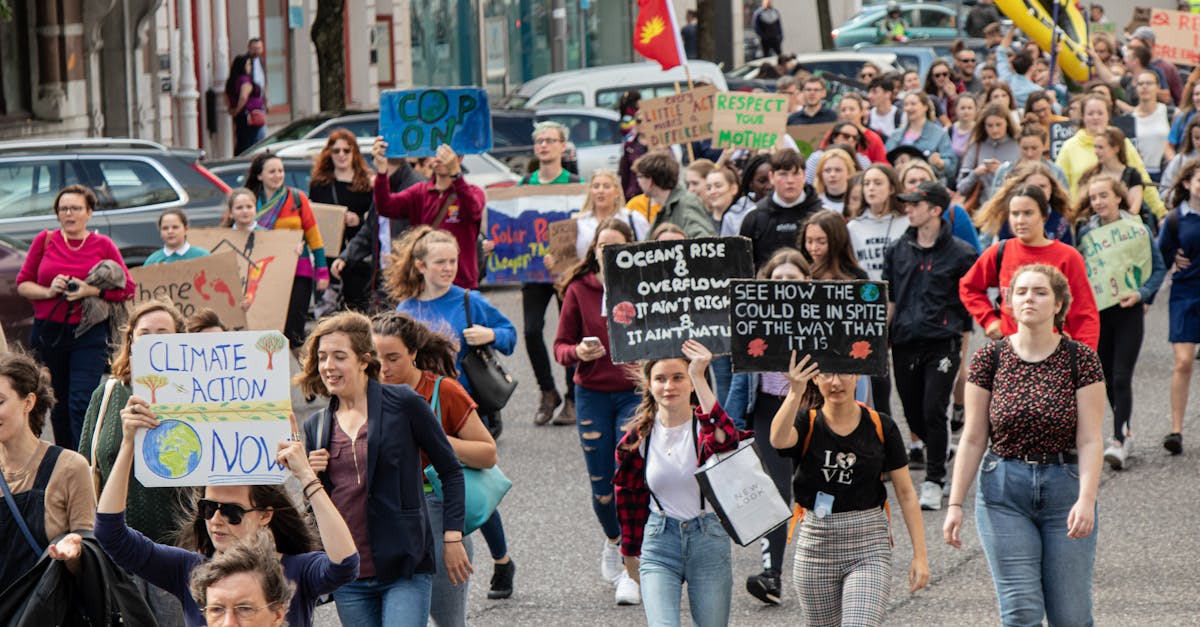
As his final term concludes, United Nations Secretary-General António Guterres delivers his most urgent climate warning yet. Dubbing the current era a 'moment of truth,' Guterres implores world leaders gathering at COP31 to act decisively, emphasizing that continued delay pushes humanity further into a global climate crisis. With extreme weather events intensifying and the critical 1.5°C warming limit slipping away, his parting message underscores the grave urgency of collective environmental action.
Secretary-General Guterres, who has been a prominent voice on climate change for a decade, shared that the gravity of the situation hit him hard when scientists confirmed that the goal of limiting global warming to 1.5 degrees Celsius is now virtually out of reach. This realization, a 'shock' for the former engineer, highlighted a profound failure in political leadership, not a failure of the world itself. He stressed that protecting our planet demands a long-term vision, something often missing in rapidly changing political landscapes.
Guterres pointed out that reliance on fossil fuels creates fundamental security problems, made evident by recent energy shocks. While acknowledging other global challenges like wars and artificial intelligence, he noted that these issues often compound climate stress, with AI itself consuming vast amounts of electricity and contributing to carbon emissions. He advocates for holding fossil fuel companies accountable, suggesting their significant profits should be taxed to support nations most affected by climate impacts.
Despite the somber outlook, Guterres finds hope in the boom of wind and solar power, which are becoming cheaper alternatives to fossil fuels. He believes that investing in a greener future is possible, citing his own tenure as Portugal's prime minister as an example of long-term environmental commitment. As he prepares to leave office, his advice to his successor is simple yet profound: 'Tell the truth.' He views the UN chief's 'voice' as their most powerful tool in confronting the existential threat of climate change and urging humanity to fight for its own survival.