UN Climate Talks Face Obstacle Over Fossil Fuel Stance

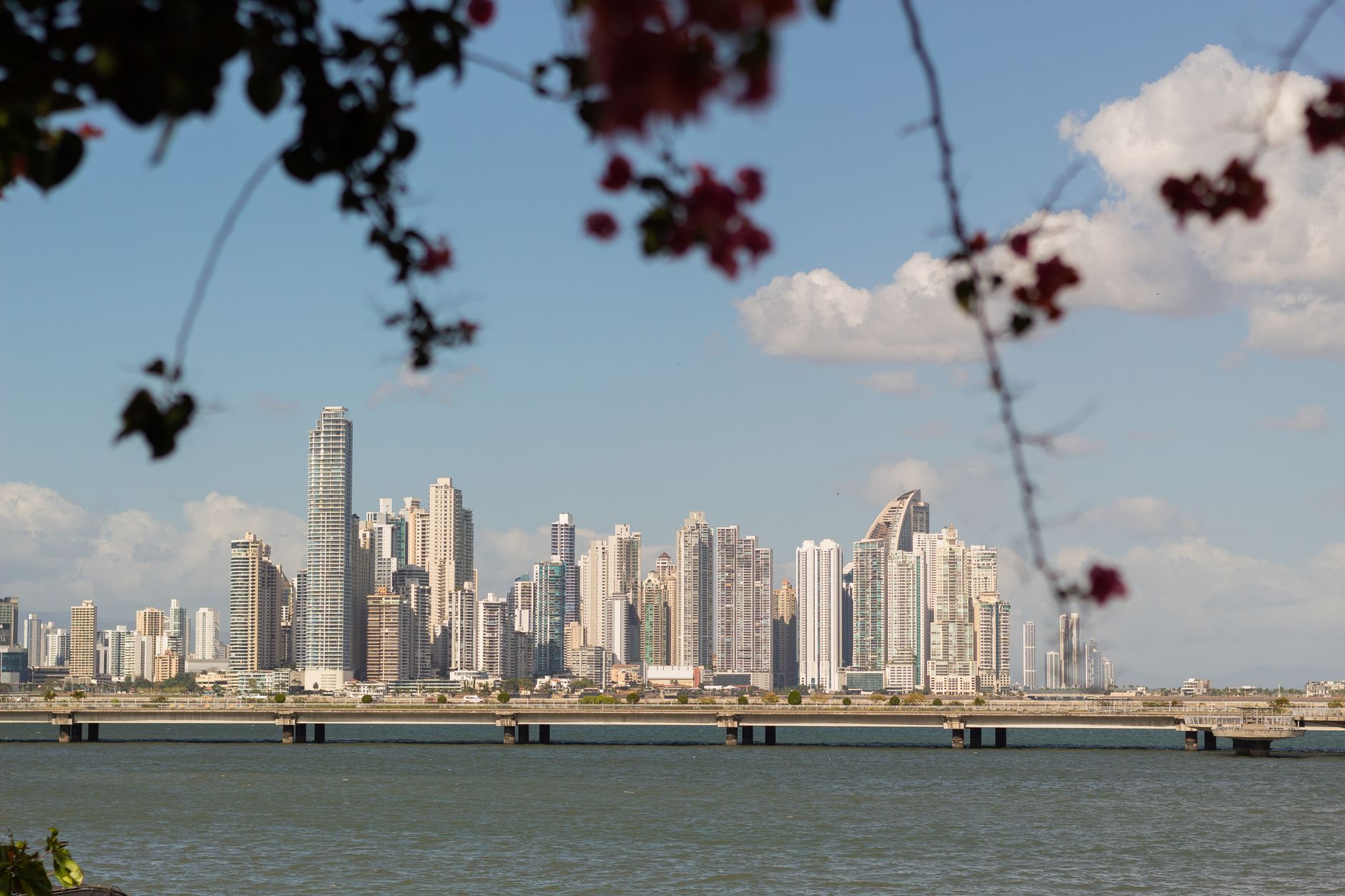
As UN climate talks in Turkey near their end, a critical dispute over fossil fuels threatens to derail a final agreement. Panama is leading a push, arguing that any deal must include a clear plan to move away from coal, oil, and gas, specifically calling for a cap on oil production. Without this commitment, the nation's environment minister warns, Panama will not support the outcome, potentially leaving crucial climate goals like electrification in limbo. This bold stance highlights deep frustrations with slow progress and underscores the urgent need for global action against rising temperatures.
The final days of the UN's COP31 climate conference in Antalya, Turkey, have been plunged into uncertainty as Panama takes a strong stand against what it calls a lack of ambition on fossil fuels. The country's environment minister, Juan Carlos Navarro, has made it clear that Panama will not back any agreement that fails to lay out a decisive path to transition away from polluting fuels. He specifically proposed capping oil production as a verifiable first step in this crucial shift, emphasizing the scientific consensus that guides climate action and the importance of supporting the Intergovernmental Panel on Climate Change (IPCC).
Panama's position stems from a deep concern that current negotiations aren't moving fast enough to tackle global warming. The latest draft of the conference's main decision document notably omits any mention of fossil fuels, sparking widespread frustration. Navarro has called the talks “an exercise in hypocrisy and futility,” accusing fossil fuel producers of actively blocking progress. This push for clearer action is also about fairness, with Panama insisting that wealthier nations, historically the biggest polluters, must honor their financial commitments to developing countries struggling with climate impacts.
Beyond specific policies, Panama is also pushing for a reform of how UN climate decisions are made, suggesting that important agreements should be able to pass by a simple majority vote when consensus is out of reach. This, they argue, would prevent the will of a few from paralyzing global efforts. While threatening to block an agreement is a significant negotiating tactic, its impact will depend on whether other nations, particularly within the Latin American coalition, rally behind Panama’s demands. The world is watching to see if these high-stakes talks can deliver the radical change needed to protect our planet and accelerate the shift to sustainable, clean energy solutions.