Undercover Operative Allegedly Stirred Opposition for Profit

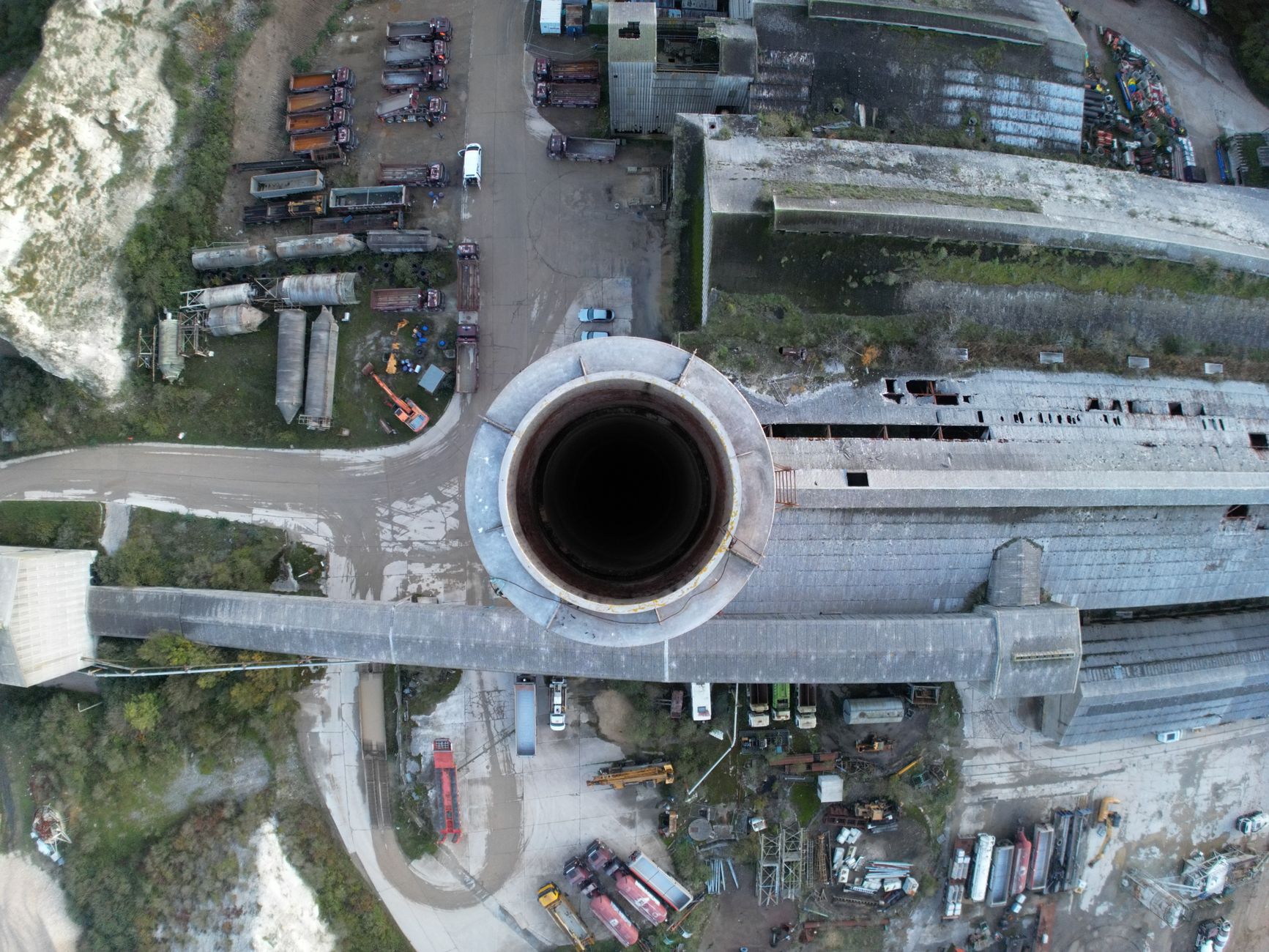
Asphalt company Maymead is suing a consulting firm and a former employee, alleging a scheme to fraudulently halt their proposed plant in Clemmons, North Carolina. The lawsuit claims an operative infiltrated a local group, posing as an environmental advocate, but was secretly working for a competitor to manipulate the market. This development, previously reported by Inside Climate News, raises serious questions about the integrity of public opposition to industrial projects and the genuine concerns residents have about potential pollution and health impacts from such facilities.
Maymead, an asphalt company aiming to build a plant near Winston-Salem, North Carolina, has filed a lawsuit against Land Use Strategies and former employee Chris Hopkins. The company claims Hopkins, using an alias, deceived local residents by pretending to lead their opposition to the proposed asphalt plant. Maymead alleges in court documents that Hopkins and his firm, Land Use Strategies (a firm specializing in "grassroots coalition building" for various industries), were not genuinely concerned about the environment. Instead, they were allegedly working for an unnamed competitor to stop Maymead’s project, manipulate the asphalt market, and spread misleading information.
Residents in Clemmons had legitimate and urgent concerns about the proposed plant. They are worried about significant air pollution, including health-harming particulate matter and cancer-causing chemicals like formaldehyde and benzene. The plant's location is particularly sensitive, being within two miles of eight elementary schools, parks, churches, and hundreds of homes. Locals also feared increased truck traffic and noise in their community. These genuine environmental and health worries sparked real community action.
Chris Hopkins, allegedly posing as "Chris Sanderson," became a key figure in the anti-plant movement. He created social media groups, visited homes, contacted officials, and even paid for protest materials. However, Maymead's lawsuit suggests this elaborate ruse was solely for economic gain, exploiting community fears for a competitor's benefit. This situation underscores how critical it is for communities to have transparent and authentic platforms to voice their concerns, especially when facing projects with such clear environmental implications. Ensuring genuine public participation is vital for both local well-being and progress towards a sustainable future, free from hidden agendas.