Unexpected Tech Boom Strains Key EV Parts Supply

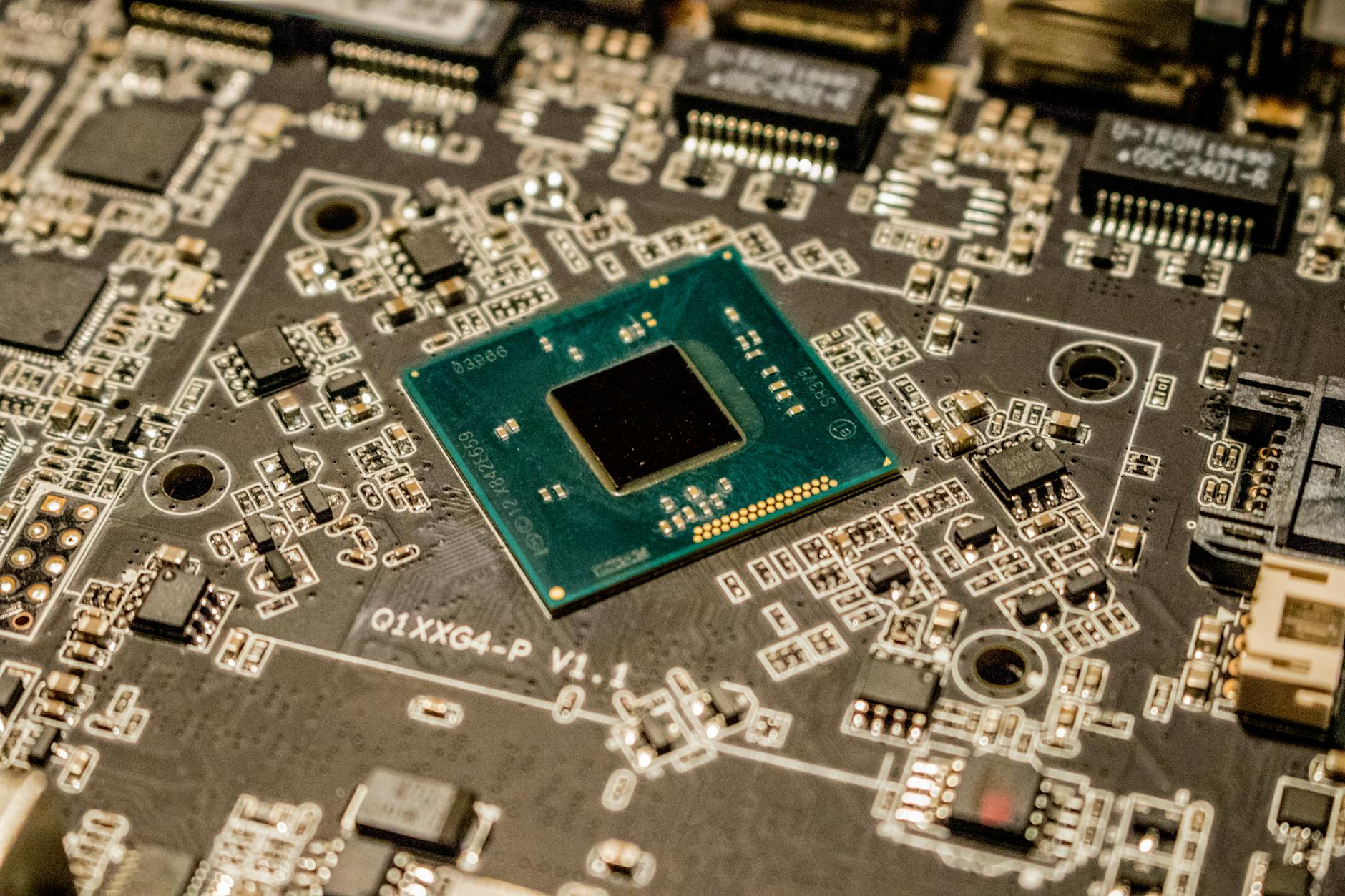
The booming artificial intelligence industry is creating an unexpected challenge for electric vehicle manufacturers like Rivian. A surge in demand for critical components, such as memory chips and printed circuit board materials, is making these parts scarcer and more expensive. Rivian CEO RJ Scaringe highlighted how this shift forces companies to dedicate significant time and resources to sourcing what were once considered commodity parts. This development underscores the complex hurdles in accelerating electrification, where reliable supply chains are vital for delivering sustainable, high-tech vehicles to consumers and combating climate change.
The rise of AI, particularly in data centers, has sparked an intense demand for advanced memory chips, which are also vital for modern electric vehicles. What were once easily available components are now becoming pricier and harder for automakers like Rivian to secure. This unexpected competition for basic yet essential parts creates a new layer of complexity for companies committed to building the sustainable vehicles of tomorrow.
Rivian's CEO, RJ Scaringe, noted during an interview that while memory chips were once an afterthought, they now require "an enormous amount of time" for planning and sourcing. It's not just memory; printed circuit board materials and tiny capacitors, crucial for everything from in-car infotainment to advanced driver-assistance systems, are also in short supply. This pinch forces EV makers to innovate not only in vehicle design but also in how they manage their complex global supply chains, affecting efforts to bring cutting-edge features like Rivian’s RAP1 chip to future R2 models.
This trend isn't isolated to Rivian; other major automakers like Li Auto, GM, and Ford have also acknowledged the rising costs and supply tightness. As electric vehicles become increasingly sophisticated and crucial for reducing global emissions, ensuring a steady, affordable supply of these components is paramount. Overcoming these hurdles is key to keeping EV prices competitive and accelerating the global shift towards cleaner, more sustainable transportation solutions, directly contributing to urgent environmental action.