Uni U-Turn Sparks Outrage: Who's Back on Campus?

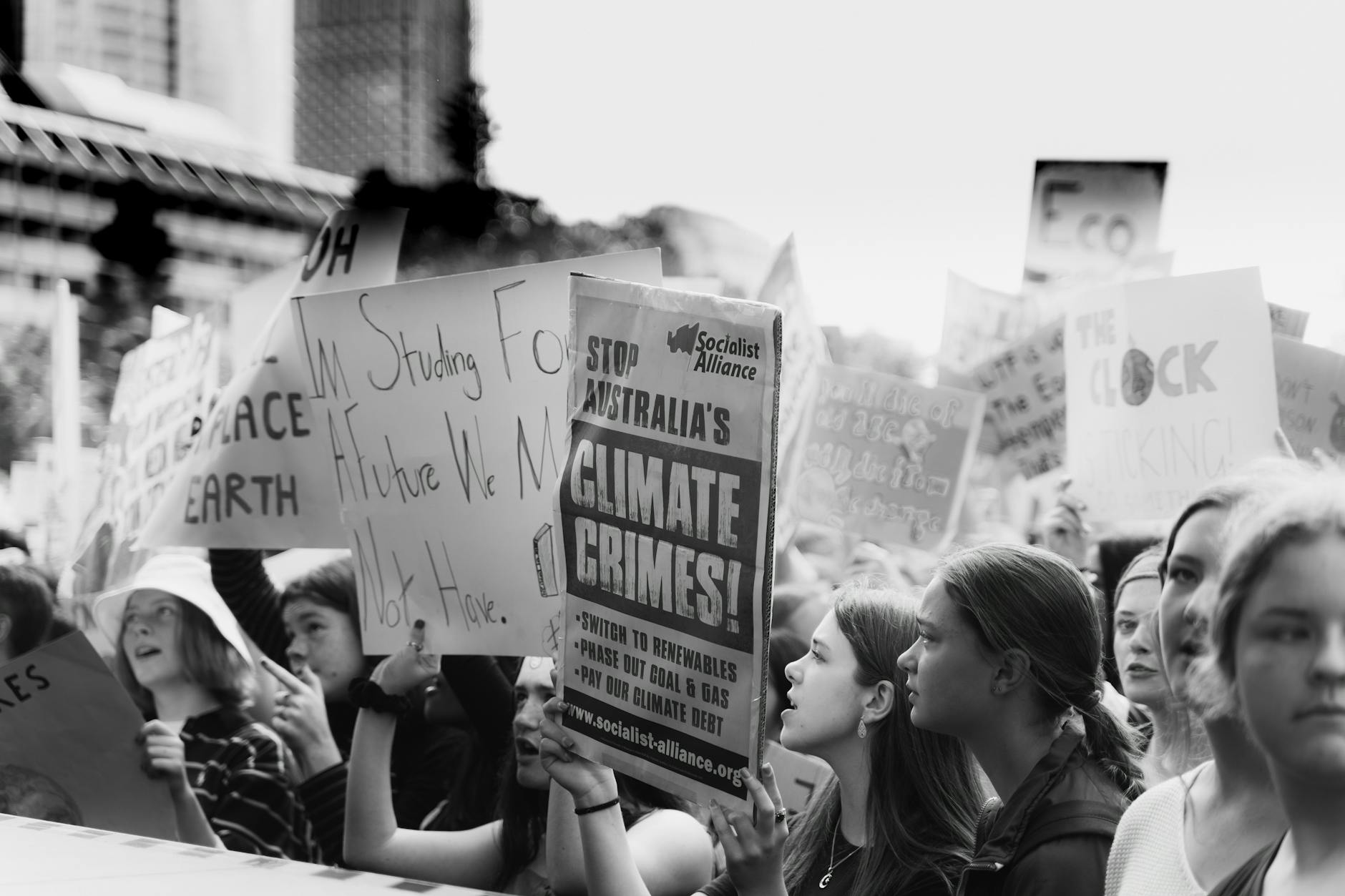
Swansea University has controversially reversed its commitment to exclude fossil fuel and arms companies from its career events, sparking outrage among students and staff. This decision comes despite an ongoing climate crisis, marked by recent record-breaking heatwaves and drought, which underscore the urgency of environmental action. The reversal undoes an 18-month campaign by student and staff groups, who had successfully pushed the university to adopt an ethical careers policy just last year. Critics call the move "shameful," arguing it prioritizes profit over the planet and the future of its students.
In a move that has deeply disappointed its community, Swansea University's leadership has quietly removed key pledges from its Ethical Careers Policy. These changes now allow fossil fuel, mining, and arms companies to promote careers and recruit students on campus, reversing a previous commitment to keep such industries at arm's length. This decision feels like a step backward, especially as the world grapples with escalating climate challenges, including recent deadly heatwaves and widespread drought.
Just last year, Swansea became one of only a handful of UK universities to ban these industries from career activities, following a dedicated 18-month campaign led by its own students and staff. This achievement was seen as a victory for ethical leadership, demonstrating a commitment to a sustainable future and acknowledging the urgency of global warming. The university had prided itself on positively impacting global society, making this U-turn particularly jarring.
Now, critics, including a staff member who expressed extreme disappointment and climate justice advocates like Josie Mizen from People & Planet, are voicing strong concerns. They argue that the university's decision sends a clear message that "their futures, their communities and the planet they live on matter less than their university’s cosy relationship with an industry that puts profit ahead of people’s lives." This situation highlights the ongoing tension between institutional funding and the urgent need for environmental action and sustainable solutions.