Unprecedented Floods East of Tokyo: What Went Wrong?

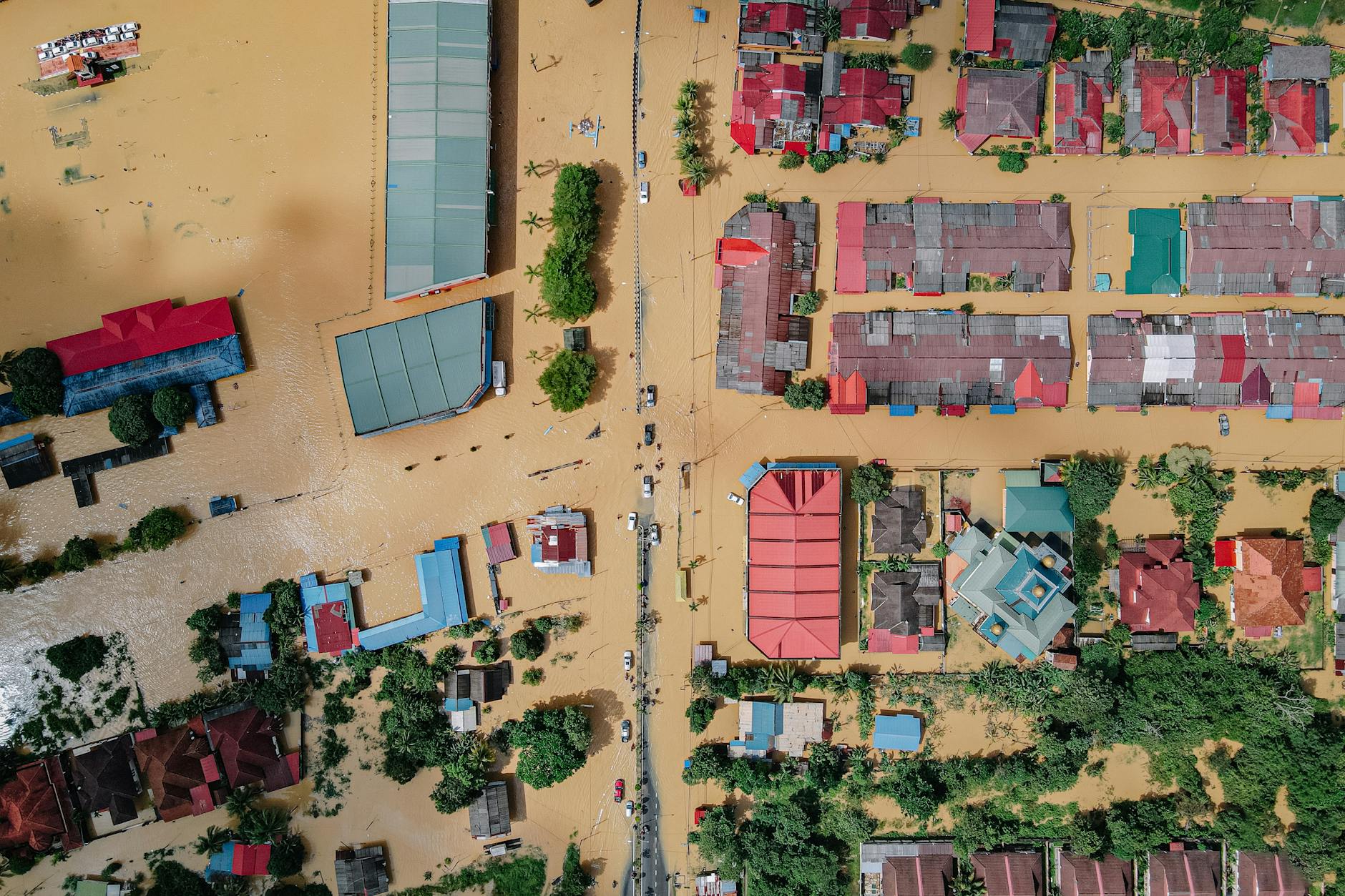
Record-breaking rainfall has unleashed devastating floods east of Tokyo, tragically claiming at least five lives and injuring dozens. Cities in Japan's Chiba prefecture experienced unprecedented downpours, submerging homes, vehicles, and even railway tracks. This extreme weather event stranded thousands of travelers and left tens of thousands without power, causing widespread chaos. The incident underscores the severe challenges urban areas face with escalating climate impacts and the critical need for resilient infrastructure to protect communities.
The deluge, which hit cities like Chiba and Sakura, saw extraordinary rainfall levels, with one hour bringing 4.5 inches to Chiba City and 3.8 inches to Sakura. This intense downpour quickly turned streets into rivers, leaving a trail of destruction. Homes, cars, and even sections of railway tracks were submerged in muddy water, causing massive disruption and leaving some areas without electricity. Tragically, five people lost their lives, with one person still missing and over 30 injured in the wake of the floods.
Thousands were left stranded overnight, with buses dispatched to rescue about 4,000 people from Soga train station, a key local route. Narita airport also saw thousands waiting for train services to resume as the region grappled with the aftermath. Many took shelter in public facilities as their communities recovered.
This devastating event is a stark reminder of our changing climate. Experts suggest that the massive rainfall likely overwhelmed existing sewer systems in Chiba's urban areas, where extensive asphalt and concrete surfaces prevent water from soaking into the ground, an expert told the Nikkei business daily. Such a situation amplifies flooding risks, highlighting the urgent need for sustainable urban planning and infrastructure upgrades. As extreme weather events become more frequent, investing in green infrastructure and preparing our cities for heavy rainfall is not just good policy—it's essential for protecting lives and livelihoods against the increasing impacts of global warming.