Urban Tree Promise Unkept: What Happens After Planting?

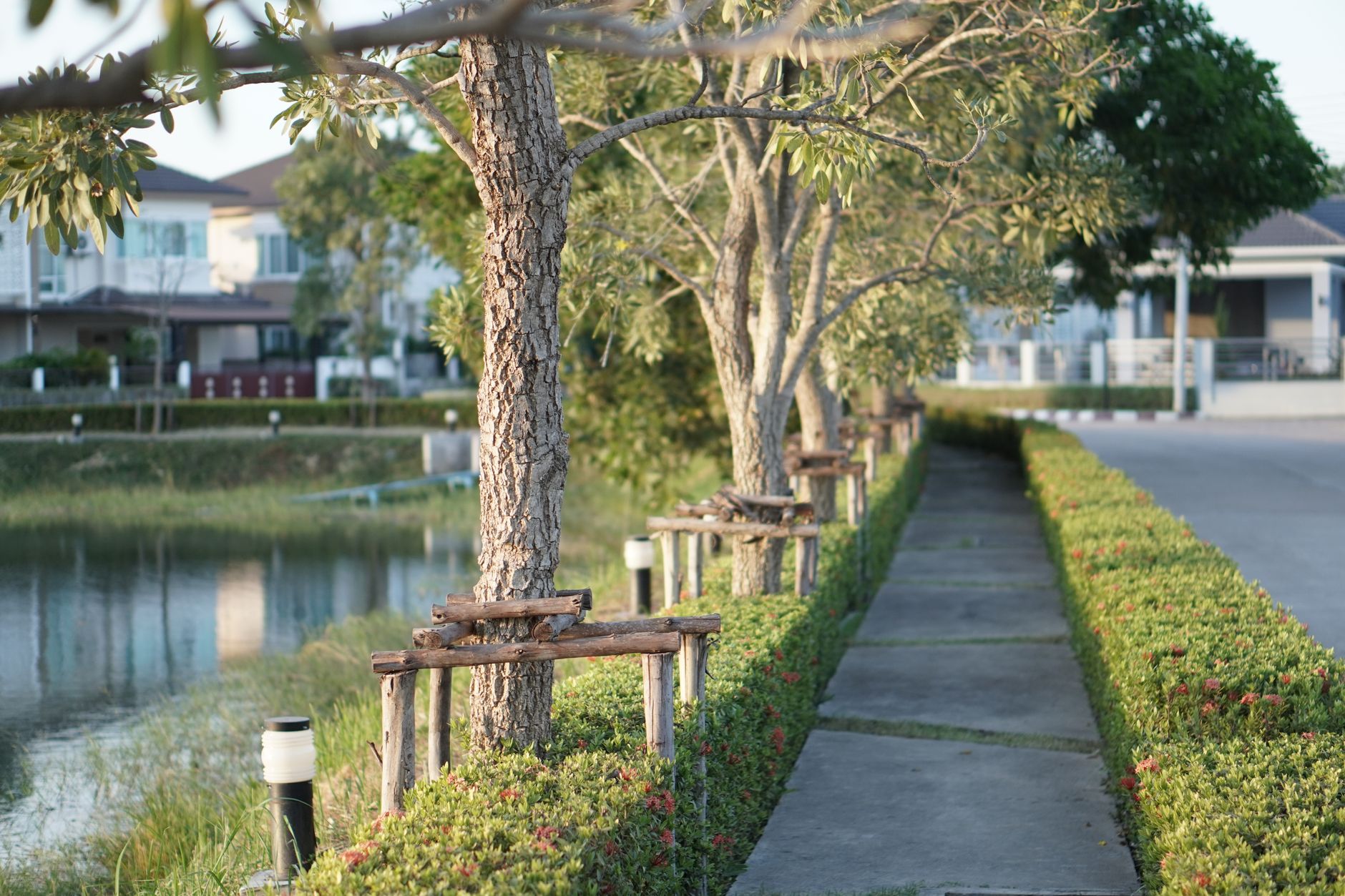
A recent study reveals a troubling reality about urban trees planted by developers in England: many never get planted, and a significant number die shortly after. This widespread failure undermines efforts to create greener cities and combat climate change, as healthy, mature trees are crucial for absorbing carbon and cooling our urban environments. The findings highlight a critical gap in oversight and maintenance that demands urgent attention to protect our natural infrastructure.
New research by Daisy Brasington, surveying over 800 trees across cities like Bristol and Birmingham, paints a stark picture. It found that nearly a quarter of promised development-led trees were never actually planted. Of those that did make it into the ground, a fifth died or were removed soon after. This means that out of nearly 500 trees developers pledged, only about 145 were found to be in good health.
This isn't just about losing individual trees; it's a setback for our planet. Mature trees with full canopies are powerful allies against global warming, essential for storing carbon and providing much-needed shade to cool our increasingly hot cities during heatwaves. Smaller, newly planted trees simply can't offer these vital benefits, making the high mortality rate a significant environmental concern. A study in Nature highlighted the immense carbon storage capacity of large trees.
The problem often boils down to poor care. Many trees are left "choked" by support stakes that should have been removed long ago, or suffer severe damage from lawn mowers cutting too close to their trunks. These seemingly small oversights prevent trees from thriving by disrupting water and nutrient flow, often leading to their demise. It's especially frustrating given that residents often pay mandatory service charges meant to cover landscaping and maintenance, only for these funds to seemingly contribute to the trees' neglect.
While new Biodiversity Net Gain (BNG) rules are a step forward, requiring developers to increase biodiversity by 10%, they are too recent to have a widespread impact. The issues highlighted by Brasington mostly cover developments from 2012 to 2022, before BNG was fully enforced. Historically, urban tree survival rates have been poor; a 1990 study in Liverpool found 23% of new trees died within three years study.
The good news is that solutions exist. Councils can step up enforcement, as seen with Maidstone Council's new Landscape Enforcement Officer, who actively follows up on development plans. This proactive approach ensures developers fulfill their green promises and helps maintain our urban forests. Until more councils adopt similar roles, it often falls to local communities to report issues and advocate for the trees they were promised. Ultimately, investing in the survival and health of our urban trees is investing in a more sustainable, cooler future for everyone. You can read the full report for more details.