Urgent Battle: Businesses fight Supreme Court over Climate Disclosure

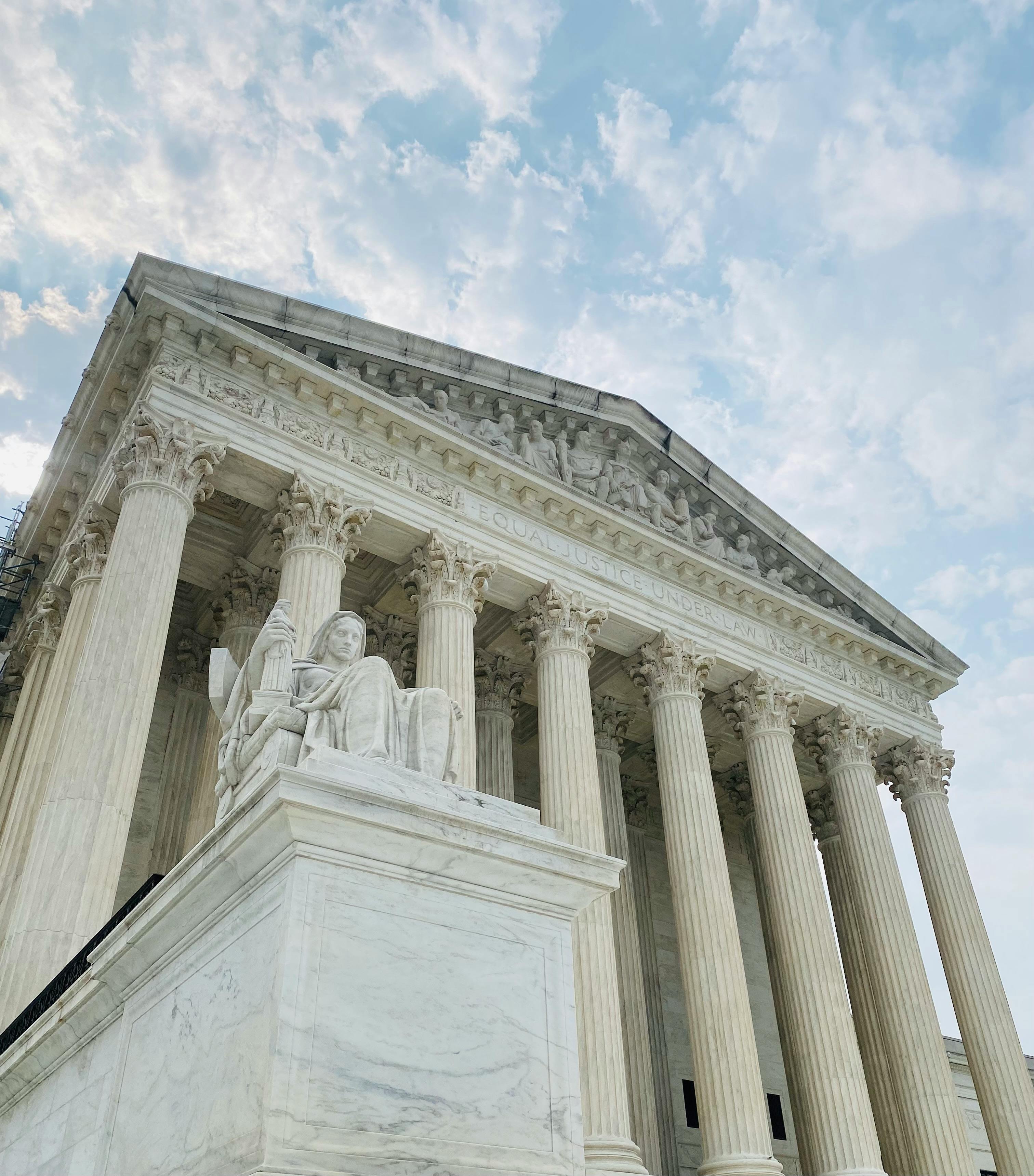
Business groups, led by the U.S. Chamber of Commerce, have urgently appealed to the Supreme Court to halt new California laws that mandate thousands of companies disclose their climate impacts and risks. With one law set to take effect on January 1st, the emergency request argues these measures violate the 1st Amendment by forcing businesses to speak on a controversial topic. This critical legal challenge seeks to prevent California from compelling disclosures that opponents deem an unconstitutional attempt to shape national climate policy and corporate behavior. The outcome will have immediate and far-reaching implications, demanding swift action from the highest court.
The U.S. Chamber of Commerce, alongside other prominent business organizations including the California Chamber of Commerce and the Los Angeles County Business Federation, has made an urgent appeal to the Supreme Court. They are seeking to block two new California laws that would compel thousands of companies to disclose their greenhouse gas emissions and climate-related financial risks. An emergency request asks the court to temporarily put one of these laws on hold, as it is slated to take effect in less than eight weeks, on January 1st.
Lawyers for the business groups argue that these measures constitute compelled speech, a violation of the 1st Amendment, because they force companies to articulate views on the deeply controversial subject of climate change. They assert that California is openly campaigning to pressure companies into public debate on climate issues and to alter their behavior, aiming to differentiate “who’s green and who isn’t.”
Specifically, Senate Bill 261 (SB 261) will require several thousand companies operating in California to assess and disclose their “climate-related financial risk” and strategies to mitigate it. A second measure, Senate Bill 253, targets larger companies, mandating they assess and reveal their emissions and how their operations impact the climate. The appeal firmly states that “No state may violate 1st Amendment rights to set climate policy for the Nation,” emphasizing that “Compelled-speech laws are presumptively unconstitutional,” especially concerning value-laden, controversial topics like climate change.
The emergency appeal was filed by Washington attorney Eugene Scalia, son of the late Justice Antonin Scalia. These business entities previously attempted to block the laws in California courts, with Exxon Mobil filing a suit in Sacramento and the Chamber of Commerce suing in Los Angeles, but they were unsuccessful. In August, U.S. District Judge Otis Wright II in Los Angeles declined to block the laws, reasoning they regulate “commercial speech,” which receives less 1st Amendment protection. He noted that businesses are routinely required to disclose factual and financial information. An appeal to the U.S. 9th Circuit Court of Appeals for an injunction also saw no action.
Adding significant weight to the challenge, state attorneys representing Iowa and 24 other Republican-leaning states quickly filed their support for the business groups. They expressed strong opposition to what they termed this “radical green speech mandate that California seeks to impose on companies.” The Supreme Court is expected to request a response from California’s state attorneys next week before deciding on the emergency appeal, making the impending decision crucial for the implementation of these groundbreaking climate disclosure requirements. The urgency of the January 1st deadline means a swift ruling is imperative.