US Emissions Soar: What's Driving the G20's Biggest Jump?

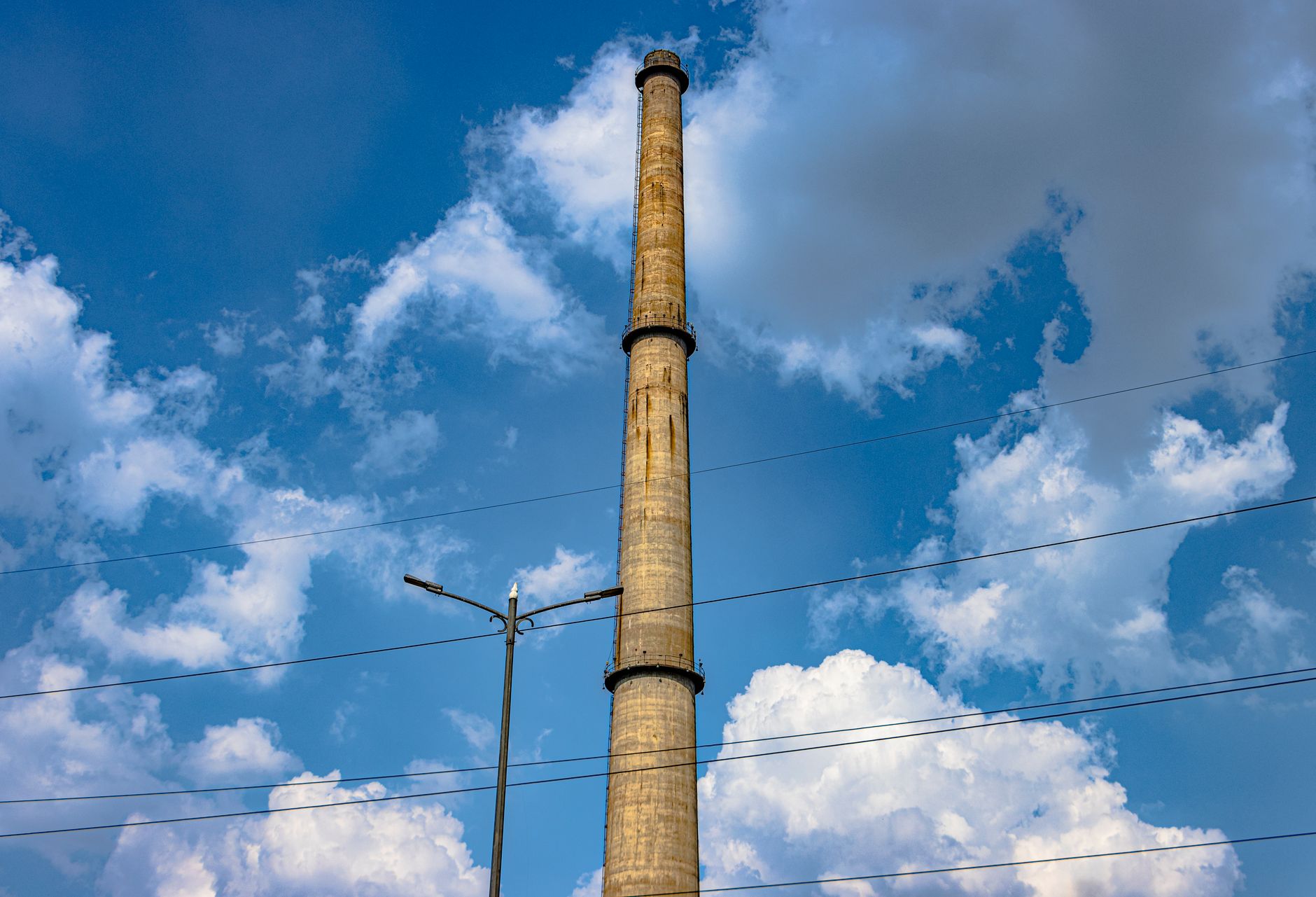
A new report from United Nations scientists reveals a concerning trend: the United States leads all G20 countries in the dramatic increase of planet-warming pollution last year. This rise makes the U.S. an outlier among major economies, significantly hindering global efforts to combat climate change. Despite overall global emissions holding steady, America's growing reliance on fossil fuels pushes us further from crucial climate goals. This situation underscores the urgent need for robust environmental action to protect our planet's future.
The United States is uniquely contributing to the climate crisis, as its greenhouse gas emissions grew more than any other G20 nation last year, according to a new report by UN scientists. This increase is largely due to higher electricity demand and government policies supporting fossil fuels, such as keeping coal plants open longer and rolling back vehicle fuel-efficiency standards.
Unlike the U.S., many G20 countries, including the European Union, have successfully reduced their emissions. The EU, for example, has significantly invested in energy-efficient technologies and renewable sources like wind and solar power. Their actions demonstrate a clear path towards sustainable solutions and the benefits of transitioning away from fossil fuels.
The consequences of continued fossil fuel reliance are global. Burning coal, oil, and gas releases greenhouse gases that trap heat, warming our entire planet. The Earth is already 2.7 degrees Fahrenheit warmer than in the mid-1800s, leading to more intense heat waves, floods, storms, and wildfires, as confirmed by the World Meteorological Organization. We are currently on track for a catastrophic 5 degrees Fahrenheit of warming this century if current trends continue, threatening massive sea level rise and widespread extinctions.
To avoid the most severe impacts, global emissions need to fall by about 25% in the next decade. While some countries are making progress, the U.S. currently lags far behind, even withdrawing from international climate agreements. This stark reality highlights the urgency for every country, especially major emitters, to prioritize environmental protection and accelerate the shift to clean, sustainable energy solutions.