US Energy Gets a Tech Boost: What's Next for Oil and Gas?

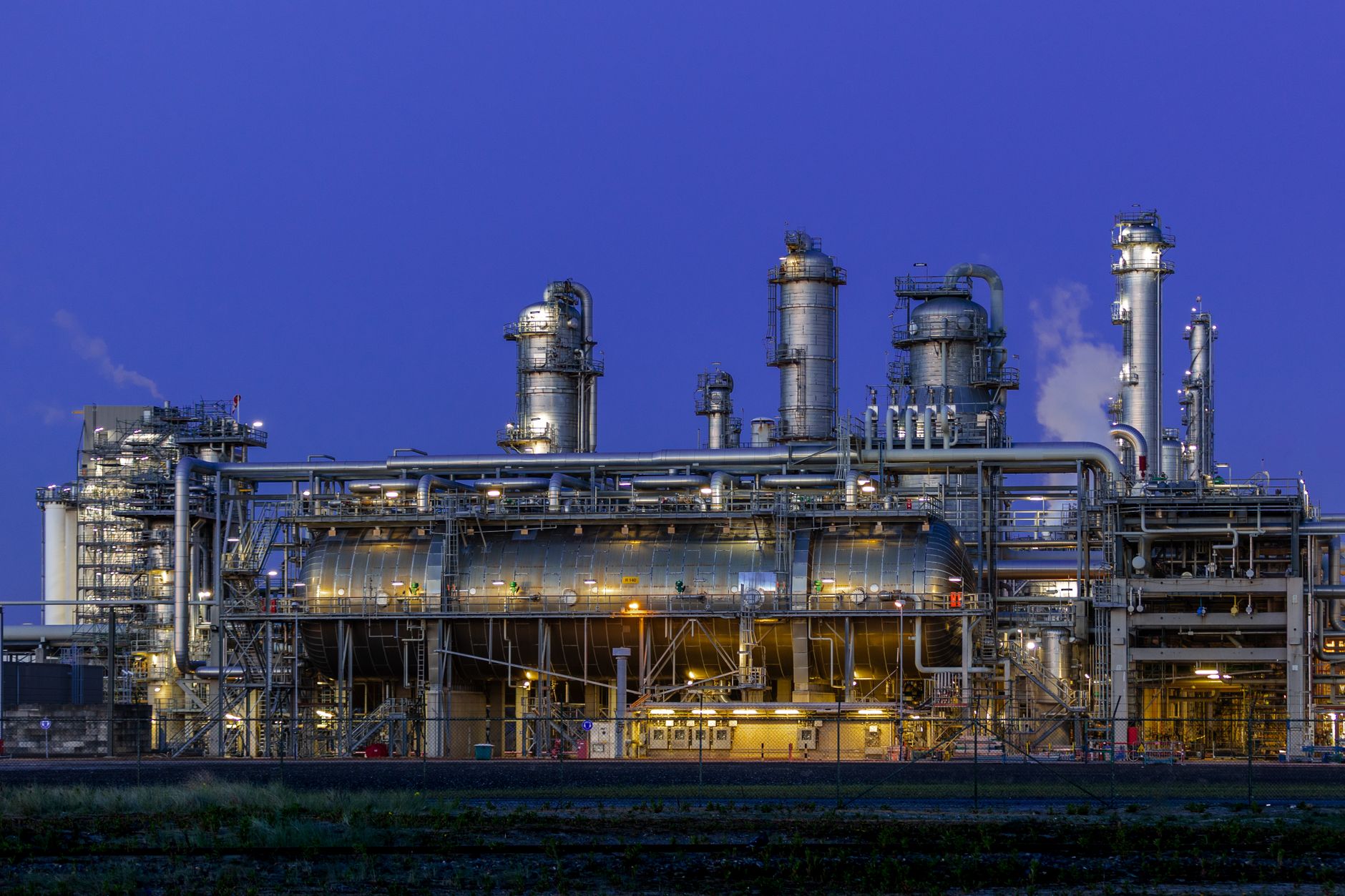
The U.S. Department of Energy (DOE) is investing up to $65.5 million to enhance the nation's oil and natural gas industry. This federal funding aims to boost production, cut waste, and modernize critical energy infrastructure. With the U.S. already the world's leading producer of oil and liquefied natural gas, this move responds to soaring electricity demand, largely from new AI data centers and manufacturing. While supporting current energy needs, these technological upgrades are also designed to reduce environmental impacts by minimizing flaring and leaks.
The DOE's investment follows earlier funding initiatives, showing ongoing federal support for domestic fossil fuel production. This new push focuses on three key areas to make the industry more efficient and less wasteful.
One goal is to transform "stranded" natural gas resources into valuable products. Currently, gas that can't be easily transported due to limited pipelines or impurities is often simply burned off or released, which harms the environment. The DOE seeks technologies like advanced catalysts to convert this gas into easier-to-market products. This approach aims to capture resources that would otherwise be wasted and reduce associated emissions.
Another area is strengthening the reliability of U.S. energy infrastructure. Projects will develop advanced materials and coatings for pipelines and facilities to prevent failures and reduce losses. These improvements aim to boost safety, cut down on costly maintenance, and ensure a more stable energy supply.
Finally, the DOE is pushing for more digital technology in the oil and gas sectors. This includes using artificial intelligence, "digital twins" (virtual models of physical systems), and continuous monitoring. These tools can help optimize production and quickly detect issues, making operations smarter and more responsive.
These efforts come as the U.S. continues to set records in natural gas production, with the U.S. Energy Information Administration (EIA) predicting over 111 billion cubic feet per day in 2026. Exports of liquefied natural gas (LNG) are also expected to climb, playing a role in global energy security. However, the International Energy Agency (IEA) points to global gas demand volatility due to prices and geopolitical tensions. Oil markets face similar pressures, though global demand is recovering, and the U.S. remains the top crude oil producer, with the IEA's July Oil Market Report noting a recovery after earlier slowdowns.
This funding is significant because it's not just about finding more fossil fuels; it's about making the most of what we already have. By recovering stranded gas and improving efficiency, these technologies can increase energy output while also reducing harmful emissions from flaring and leaks. As electricity demand skyrockets, particularly from energy-intensive AI data centers, maximizing the value from existing energy infrastructure becomes even more critical.
While renewable energy solutions are rapidly expanding, oil and natural gas remain central to the nation's energy mix for now. The DOE's strategic investment in technology aims to secure current energy needs, support the economy, and minimize environmental impact from these crucial resources, ensuring operations are as clean and efficient as possible as we transition to a sustainable future.