US Marine Protections Face Widespread Rollbacks: What's at Stake?

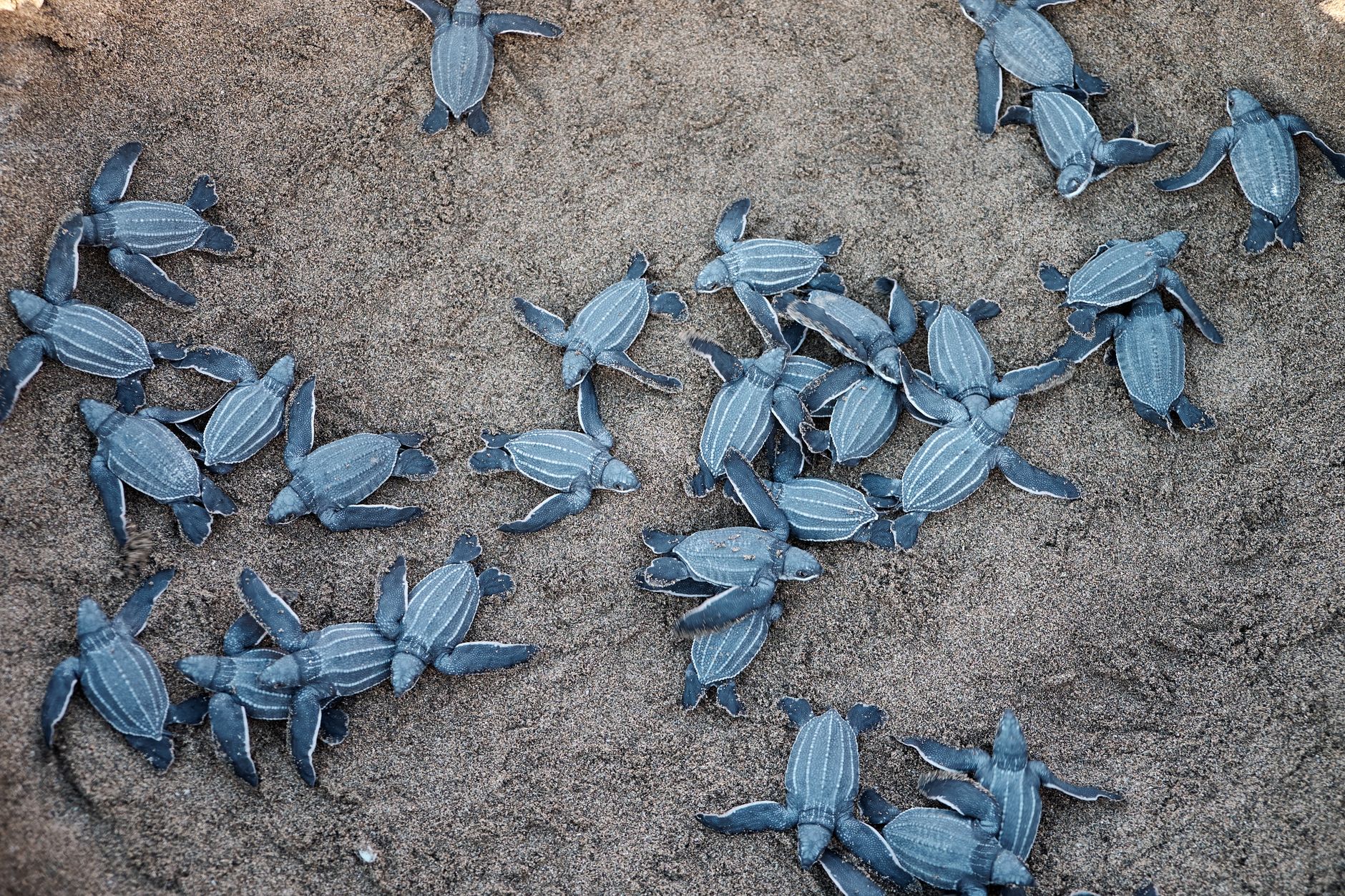
The National Oceanic and Atmospheric Administration (NOAA) is enacting sweeping changes across U.S. waters, pushing to dismantle crucial marine protections nationwide. These new directives, driven by a 2025 executive order, prioritize short-term economic gains for the fishing industry over established conservation efforts. Endangered species like leatherback turtles, Steller sea lions, and North Atlantic right whales face increased threats, with proposals to shrink sanctuaries, remove species from protected lists, and loosen gear restrictions. This controversial move, criticized by conservationists, raises serious concerns about the long-term health and sustainability of our vital ocean ecosystems, especially in the face of escalating climate impacts.
Across U.S. waters, the National Oceanic and Atmospheric Administration (NOAA) is pushing to dismantle marine protections, prioritizing commercial fishing profits over wildlife conservation. These new directives, driven by President Donald Trump’s 2025 executive order, “Restoring American Seafood Competitiveness”, aim to 'reduce burdens on domestic fishing' by rolling back established environmental safeguards. The controversial shift, detailed in “letters” to regional fisheries councils, includes proposals to shrink protected areas, remove species from conservation lists, and loosen gear restrictions nationwide.
Endangered “leatherback turtles” in the Western Pacific face losing protections, while Alaskan sanctuaries for “Steller sea lions” may shrink. In the North Atlantic, critical gear meant to save the last 350 North Atlantic right whales from fatal fishing gear entanglements, which claim “hundreds of thousands of marine animals annually”, could be scrapped. Conservationists like Andrea Treece from Earthjustice warn these actions disregard science and ocean stewardship, prioritizing short-term economic gains over sustaining vital ecosystems that belong to us all.
The directives also target marine protected areas (MPAs), pushing to open crucial zones for scallop and clam dredging, a highly disruptive fishing method. These areas are essential nurseries where fish reproduce and thrive, supporting healthy populations for the future. Weakening such protections risks long-term fishery stability, as scooping up breeding adults can quickly crash fish populations, according to experts.
Alarmingly, these new priorities completely ignore climate change. With marine heat waves and events like a “Super El Niño” already stressing ocean life, weakening environmental safeguards now could have disastrous consequences. Elizabeth Cerny-Chipman of Ocean Conservancy emphasizes that focusing on immediate profits instead of science-based management puts entire ecosystems at greater risk. Protecting our oceans demands a holistic approach, ensuring sustainability and resilience for marine life and future generations.