US Offshore Wind Future: A Billion-Dollar Bet Changes Everything

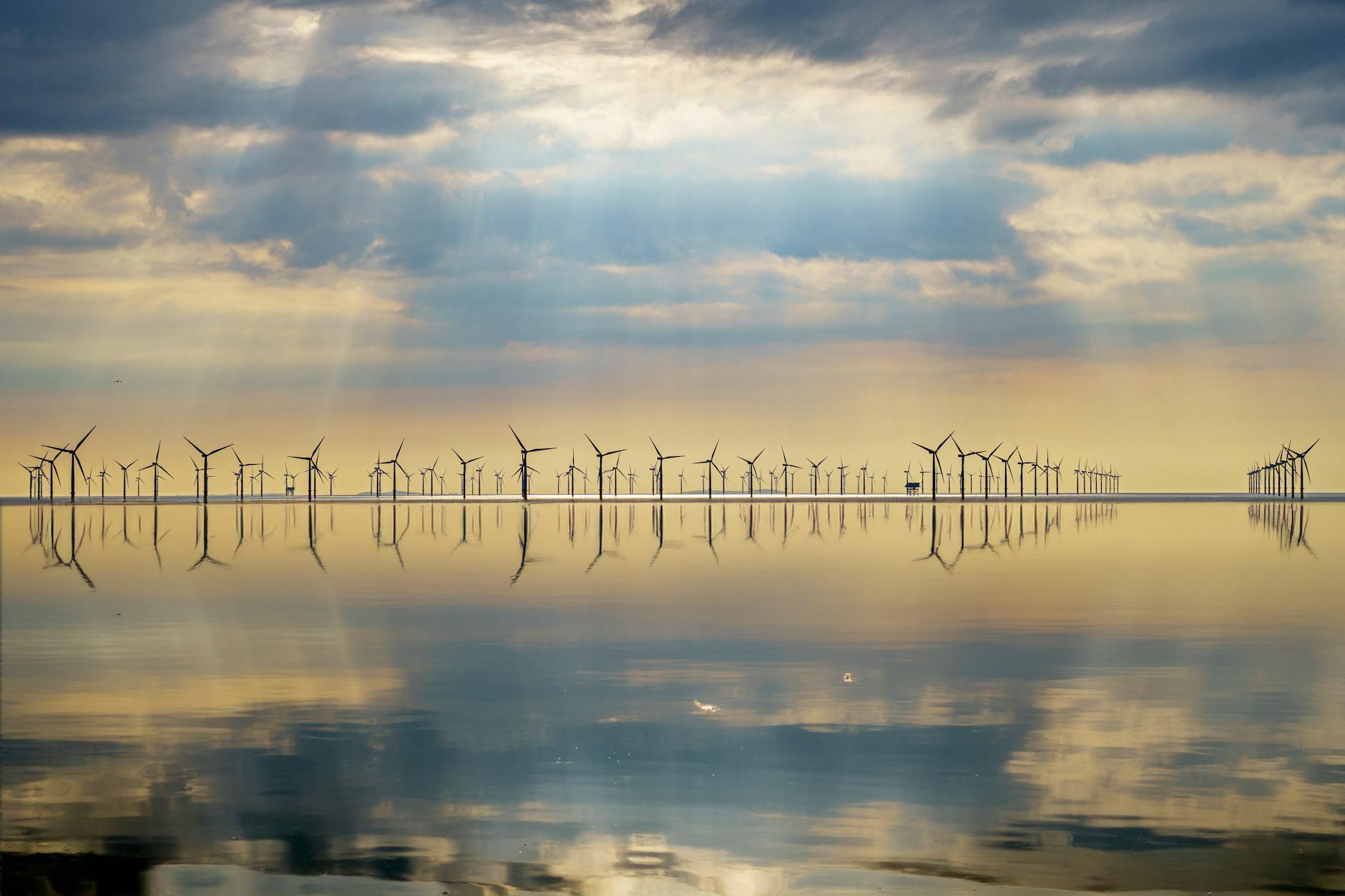
The Trump administration has struck a deal with French energy giant TotalEnergies, redirecting significant investment away from U.S. offshore wind projects toward oil and gas instead. This agreement, which allows TotalEnergies to recover nearly $1 billion in lease payments, marks a major pivot in American energy policy. Industry experts warn it creates unprecedented executive interference, risking a chill on wider infrastructure spending and undermining confidence in the nation's commitment to clean energy. This shift away from sustainable solutions like wind power raises serious concerns for the future of electrification and our collective efforts to address global warming.
The Trump administration recently announced an agreement with TotalEnergies to halt their offshore wind activities in the U.S. and instead focus investments on oil and gas. Under this deal, TotalEnergies will recover nearly $1 billion in lease payments for planned offshore wind farms off North Carolina and New York. The company has pledged to reinvest an equivalent amount into U.S. oil and gas production, including a liquified natural gas plant in Texas, stating that U.S. offshore wind projects are too costly and may negatively impact consumer power affordability TotalEnergies statement.
This move has raised alarms among industry analysts, who see it as an unusual exercise of executive power to influence the private sector. Experts suggest this unprecedented intervention could create significant policy uncertainty, potentially deterring future infrastructure investments across various sectors, not just renewable energy. Such instability can make it harder, slower, and more expensive to develop critical projects that benefit the economy.
Crucially, this shift comes at a time when power demand is increasing faster than it has in decades. Organizations managing electric grids along the East Coast emphasize that new offshore wind projects are vital for ensuring reliable electricity and meeting this growing demand ISO New England statement. Transitioning to clean energy sources like offshore wind is essential for a sustainable future, helping to reduce our reliance on fossil fuels and combat the urgent threat of global warming.
While the administration cites affordability, the deal highlights the increasing politicization of energy policy. President Trump has a long-standing opposition to wind energy. The agreement could incentivize other companies holding offshore wind leases to seek similar payouts, further jeopardizing the expansion of clean, renewable energy. The uncertainty created by such dramatic policy swings poses a significant risk for long-term investments in our energy infrastructure, making it harder to plan and build the reliable, clean grid our future demands.