US Offshore Wind: Why Its Future Looks Bleak

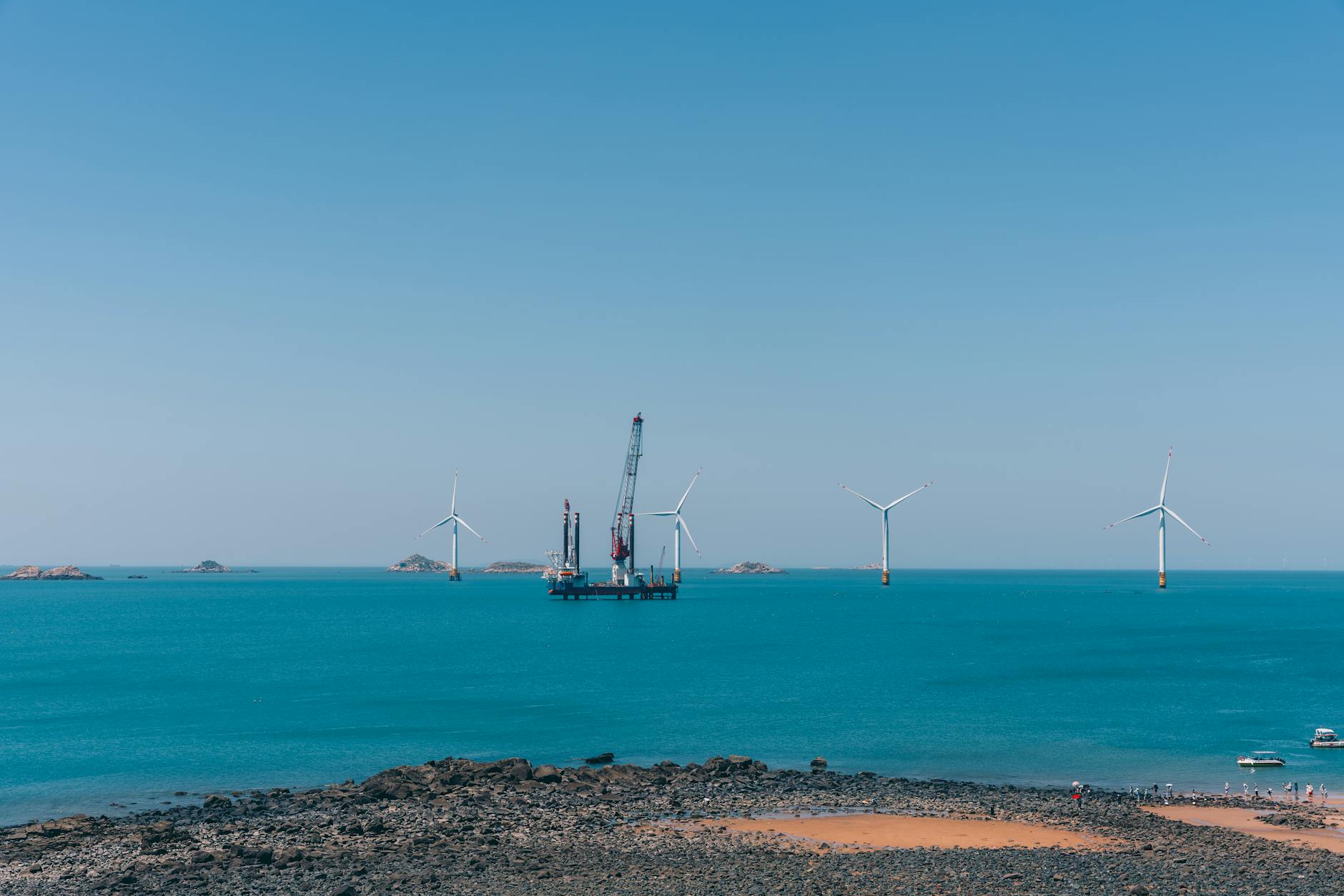
The United States' ambitious goal to power millions of homes with offshore wind by 2030 is now facing severe headwinds. Experts and former industry executives say political attacks have thoroughly battered the nascent industry, slashing growth projections by 85 percent. This dramatic reversal dashes hopes for a significant renewable energy boom and thousands of green jobs, highlighting the critical need for stable policies to drive our transition to cleaner energy and combat global warming.
What was once envisioned as a powerful surge toward renewable energy has instead become a landscape of uncertainty for the U.S. offshore wind industry. The Biden administration's plan aimed to generate enough energy for over 10 million homes, but recent political actions have drastically undermined this potential. This isn't just an economic setback; it represents a serious delay in expanding clean, sustainable energy sources crucial for addressing climate change and reducing reliance on fossil fuels.
Since January 2025, former President Donald Trump's administration has actively dismantled the industry, going beyond merely halting new permits to canceling major leases and claiming national security risks. This hostile environment has made the U.S. market incredibly risky for developers, leading to substantial financial losses for major players like Ørsted, Equinor, and TotalEnergies, who found it "un-investable." As a result, many are now looking to more stable markets in Europe and Asia, taking with them potential investments and jobs.
Compounding these political challenges are pre-existing systemic hurdles. Establishing a new supply chain for offshore wind has been complex, costly, and hampered by high interest rates and a regulatory system not designed for large-scale renewable energy projects. Developers often commit significant capital for years without revenue due to lengthy permitting and fixed-price contracts. This combination of political instability and inherent development difficulties has created a "vicious cycle" where a domestic supply chain struggles to form without consistent investor interest.
Revitalizing the U.S. offshore wind sector, a critical component of electrification and climate action, will demand more than just a change in leadership. It requires serious policy reforms to shorten and streamline the investment and development cycles, alongside robust supply chain investments. Rebuilding trust and momentum for such a large-scale clean energy effort takes time, but the importance of securing a sustainable energy future for our planet makes this effort vital.