US Solar Surges: The Secret to Its Unstoppable Rise?

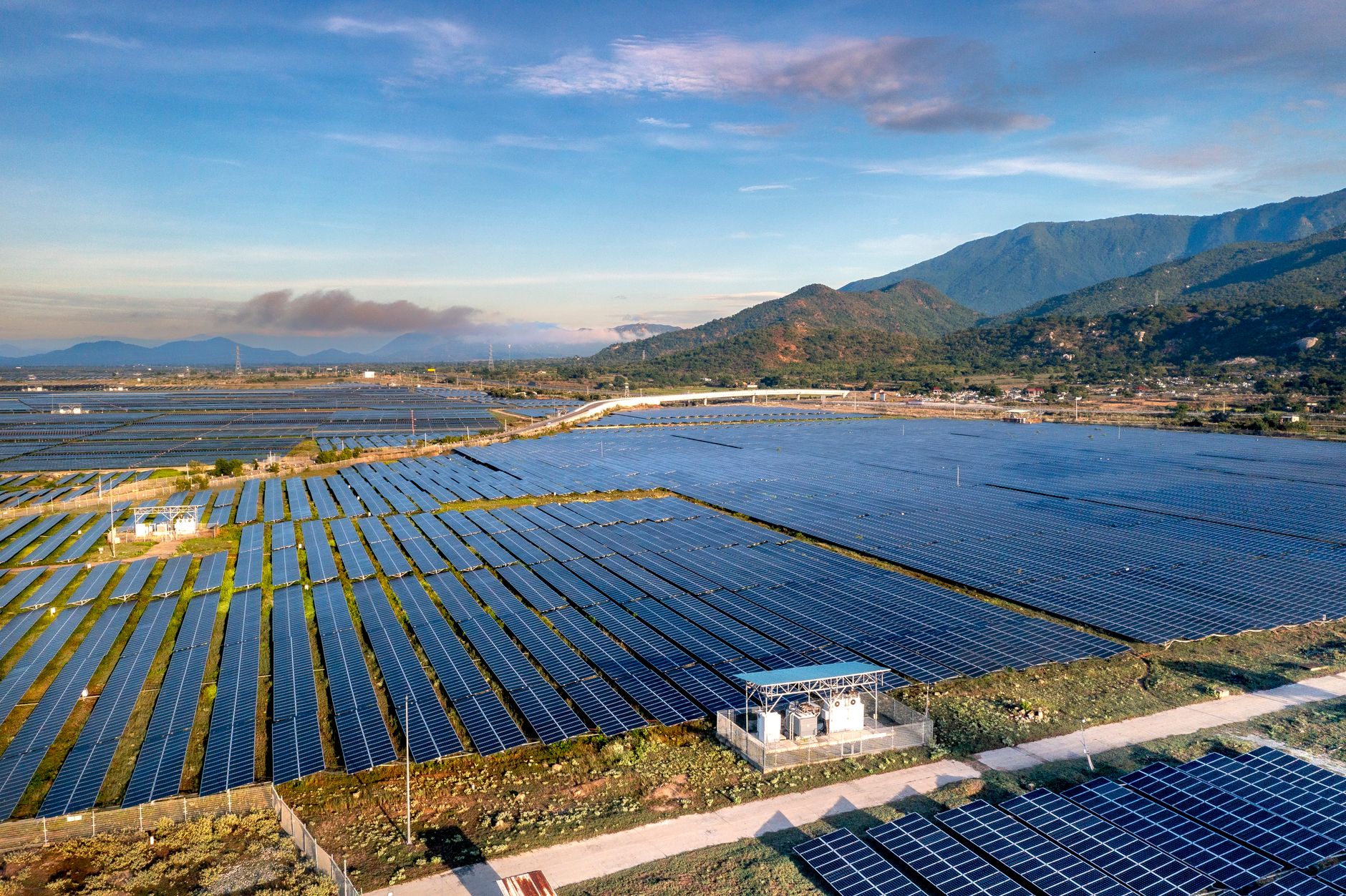
Utility-scale solar power is experiencing an unprecedented boom across the United States. Despite facing challenges like tariffs on imported panels and shifting tax credit policies, the industry is thriving. This remarkable growth is fueled by high electricity demand, solar's increasingly low cost, and its quick construction timeline, making it a crucial component in the nation’s push for electrification and a cleaner energy future. This rapid expansion marks a significant step towards reducing our reliance on fossil fuels and combating climate change.
Utility-scale solar power is having an incredible year in the United States, driving the clean energy transition forward at an astonishing pace. Developers and analysts confirm that business is robust, with companies like Hecate Energy of Chicago reporting strong activity.
The nation is on track to add nearly 43,000 megawatts of utility-scale solar capacity this year, according to the federal government’s Energy Information Administration. This represents a massive 45 percent increase over 2025 and is set to be matched by similar growth in 2027. To put this in perspective, exceeding 10,000 megawatts annually was once considered a huge achievement; now, four times that amount is becoming the norm.
This surge is largely driven by soaring electricity demand, particularly from data centers and other large energy users eager to get online quickly. Solar's low cost and rapid installation make it an attractive solution. While concerns exist about the simultaneous rise of natural gas plants to meet immediate demand, solar, often paired with battery storage, offers a cleaner, more sustainable path forward for our energy needs.
However, the industry isn't without its hurdles. Companies face challenges connecting new projects to the grid, navigating frequent changes in tax credit policies, and securing a skilled workforce. Tariffs on imported solar panels also mean higher costs in the U.S. compared to other countries, though this does encourage domestic manufacturing.
Despite these obstacles, the growth continues. Industry leaders, particularly larger, well-capitalized firms with strong planning and operational expertise, are best positioned to succeed. The stability of state policies also plays a key role, with states offering clear, consistent rules proving most attractive for investment. This widespread embrace of solar energy is a vital sign of progress, moving us closer to a future powered by clean, renewable sources and underscoring the urgency of collective climate action.