US Wetlands Face Uncertain Future as EPA Rethinks Protections

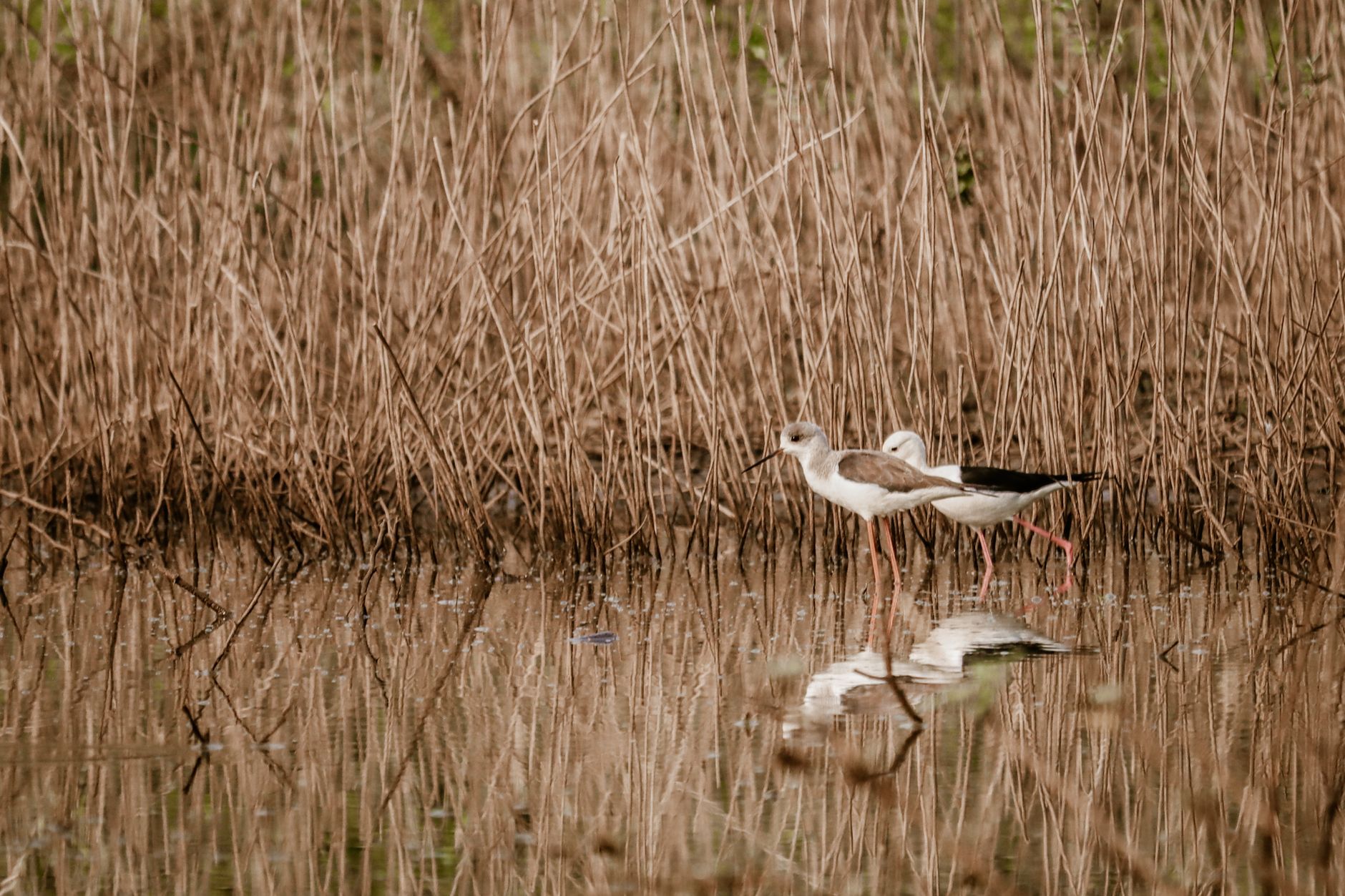
The Environmental Protection Agency (EPA) is once again seeking public input on its plan to redefine federal protection for wetlands and other waterways. This move, nearly a year after an initial proposal, aims to align with a 2023 Supreme Court ruling that significantly narrowed the scope of the Clean Water Act. Critics fear the changes could remove federal safeguards from vast areas, leaving essential ecosystems vulnerable to pollution and development. The outcome will profoundly impact the nation's biodiversity and resilience against climate change.
The EPA's renewed call for public comments signals a complex and highly contentious effort to reshape how the nation’s water bodies are protected. Following a 2023 Supreme Court decision in *Sackett vs. EPA*, which sided with property rights over broad clean water authority, the agency is drafting a supplemental rule that could dramatically limit the types of wetlands under federal oversight.
The EPA, alongside the U.S. Army Corps of Engineers, argues that this revised definition of "waters of the United States" (WOTUS) will cut "bureaucratic red tape" and offer greater predictability for landowners, farmers, and businesses. EPA Administrator Lee Zeldin stated the goal is a "durable WOTUS definition that follows the law" and helps accelerate economic prosperity, even referring to efforts to target the "climate change religion."
However, environmental advocates warn that this policy shift could have devastating consequences. Organizations like the Center for Biological Diversity and the Natural Resources Defense Council argue that the proposed rule will essentially declare "open season" on the nation's waterways. They fear it could lead to the destruction of thousands of miles of vital streams and wetlands, wiping out critical habitats for wildlife across the country.
More alarmingly, critics highlight the severe climate implications. They warn that stripping protections from vast stretches of wetlands would leave these crucial natural buffers vulnerable to increasingly destructive storm surges, a direct consequence of a warming planet. Protecting wetlands is a key environmental action, as these areas naturally filter water, prevent flooding, and support countless species. The current debate underscores the urgency of upholding strong environmental safeguards to protect our natural world and build resilience against the growing impacts of climate change.