Utah's protected lands: What future do voters demand?

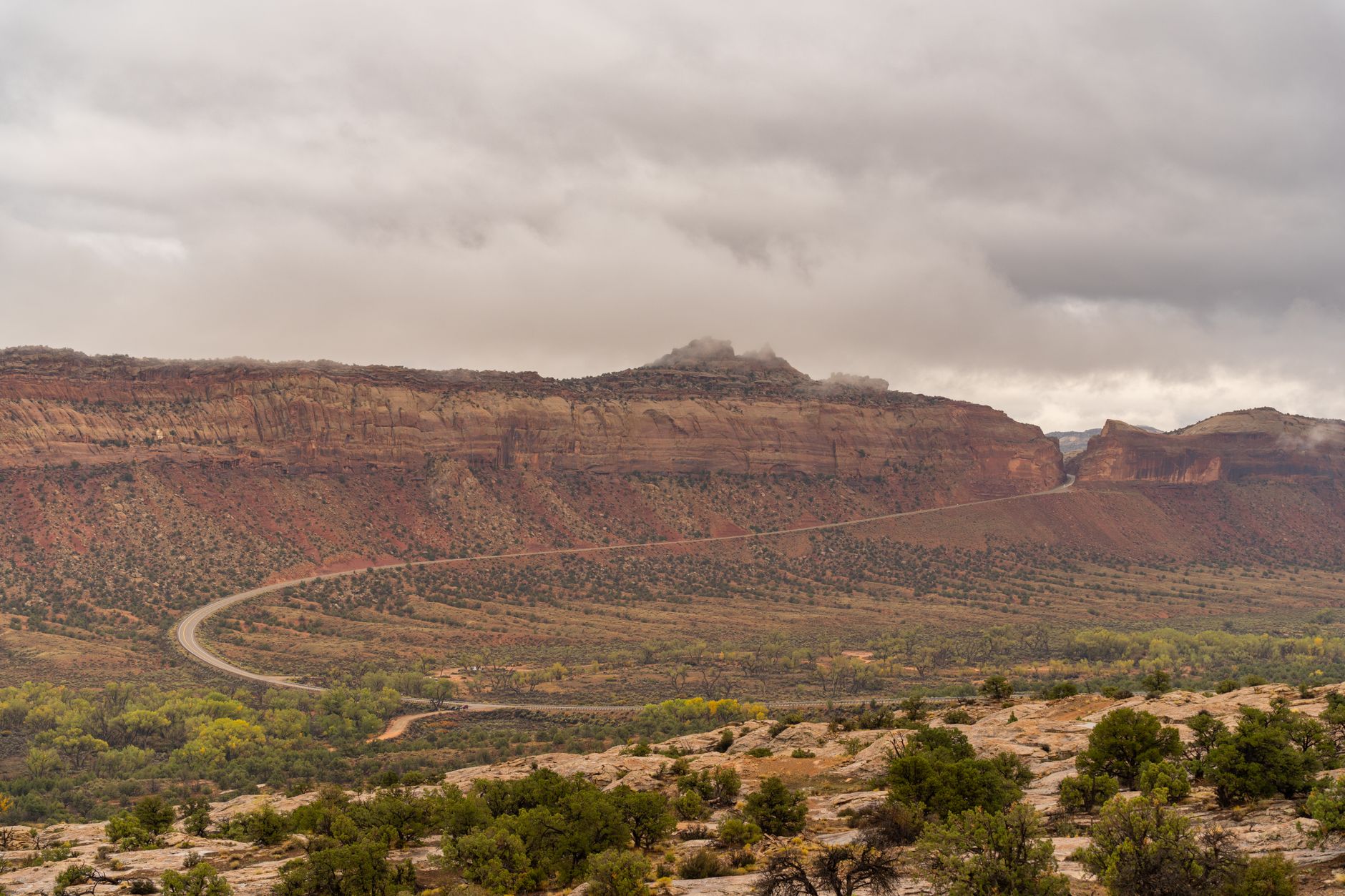
A new poll reveals that two-thirds of Utah voters want to see Bears Ears and Grand Staircase-Escalante national monuments returned to their original, larger boundaries. This strong public sentiment comes as lawsuits are reignited against past decisions to significantly shrink these protected areas. The monuments hold immense ecological, archaeological, and cultural value, making their protection crucial for preserving natural heritage and honoring tribal co-stewardship efforts. This widespread support underscores the public's commitment to safeguarding these invaluable landscapes from resource extraction and ensuring environmental preservation for future generations.
The recent poll, commissioned by the Grand Canyon Trust, clearly shows that Utahns believe the decision to reduce the size of Grand Staircase-Escalante and Bears Ears national monuments was wrong. Voters also strongly support the involvement of tribal communities in managing these culturally significant sites, with 69 percent opposing the termination of the Bears Ears Inter-Tribal Coalition.
Originally, these two national monuments spanned over three million acres of public land. However, previous executive orders drastically cut their size to make way for mining interests. This reduction stripped protections from countless archaeological sites and some of the country’s most pristine landscapes, leading to mining claims being staked almost immediately.
Protecting these lands is critical. They are treasured for scientific research, their deep cultural and historical importance to local tribes, and the outdoor recreation opportunities they offer. The idea of industrial activity like mining equipment and flags appearing in these beautiful, untouched areas is considered a tragedy by many, highlighting the urgency of ongoing legal battles to restore the monuments. These legal challenges draw on the Antiquities Act of 1906, a law granting presidents the power to designate monuments, but not to downsize them.
Even with political opposition, public opinion consistently favors conservation. A broader Western U.S. poll also found overwhelming support—91 percent—for keeping existing national monument designations intact. These findings send a clear message: Utahns and people across the West want their wild places protected, prioritizing environmental stewardship and cultural preservation over resource extraction.