Vanishing Wetlands: The Costliest Climate Defense We're Losing?

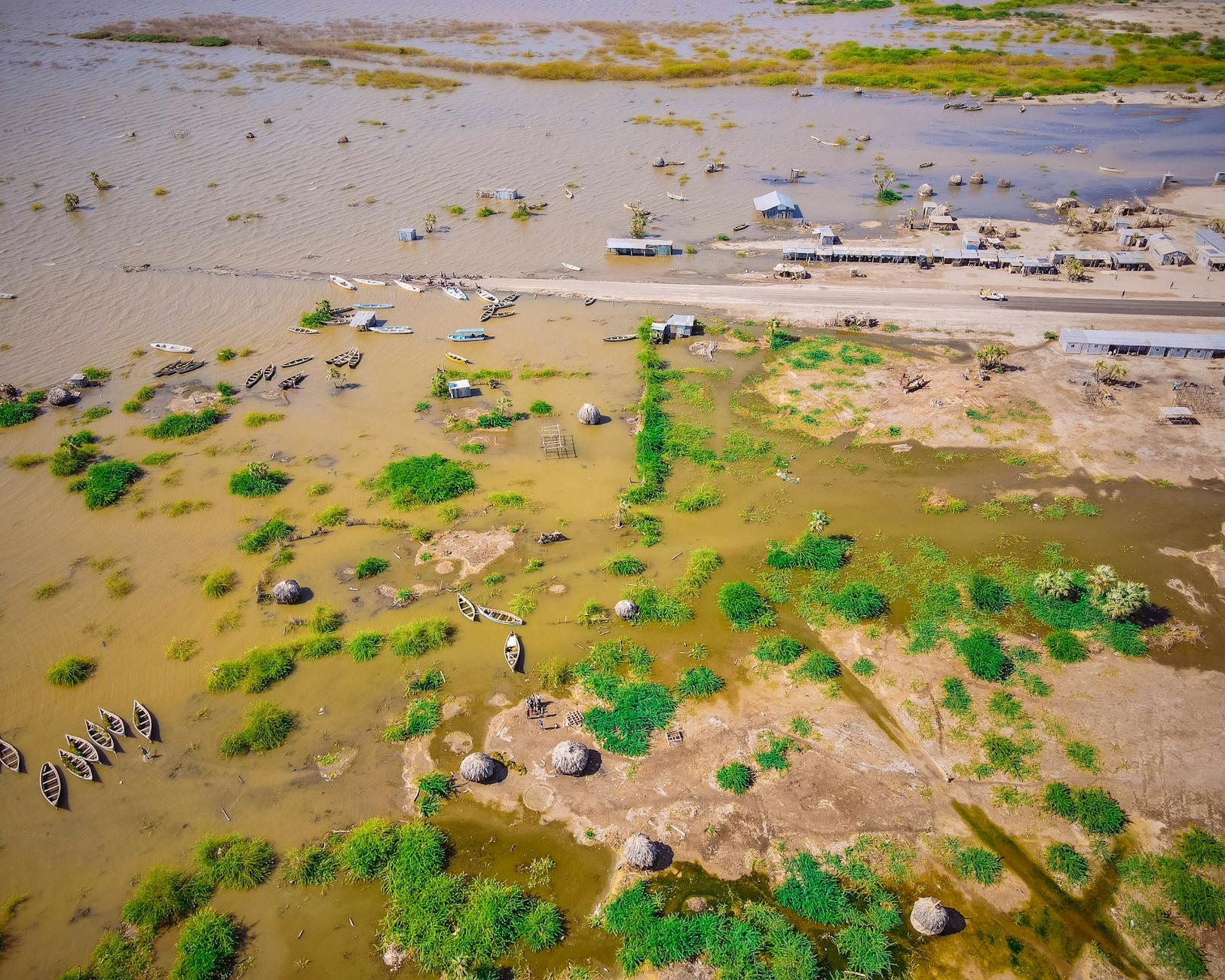
A new study reveals that the destruction of wetlands across the U.S. has led to a staggering $10 billion increase in flood insurance claims over the past four decades. This critical research, from scientists at the University of North Carolina at Chapel Hill and the Environmental Defense Fund, highlights the immense value of these natural flood defenses. Published in Nature Water, the study comes after a controversial 2023 Supreme Court ruling that significantly reduced protections for millions of acres of wetlands. As climate change intensifies, safeguarding these vital ecosystems becomes even more urgent to protect communities and prevent catastrophic financial and environmental losses.
Wetlands are nature's powerful defense against flooding, acting like sponges that soak up excess water and slow its flow. However, a groundbreaking new study shows that destroying these vital ecosystems has come at a massive cost to American taxpayers. Over the past 40 years, the loss of wetlands has directly contributed to a staggering $10 billion increase in federal flood insurance claims, a problem set to worsen as global warming brings more extreme weather.
This peer-reviewed study by scientists at the University of North Carolina at Chapel Hill and the Environmental Defense Fund, published in Nature Water, meticulously calculated the dollar value of wetlands in reducing river flooding. It revealed that areas like Houston, southeastern Louisiana, and coastal Florida have seen the largest spikes in flood insurance claims as their wetlands disappear. This crucial data underscores how essential these natural barriers are for protecting homes and livelihoods.
The situation became even more challenging in 2023 when the U.S. Supreme Court's *Sackett vs. EPA* decision drastically cut back federal protections under the Clean Water Act. This ruling stripped safeguards from millions of acres of wetlands, redefining them to exclude those without a constant surface water connection to other water bodies. Experts estimate the flood-mitigation benefits from these newly unprotected wetlands alone are worth an astounding $177 billion. Losing these natural buffers means communities are left more vulnerable to the increasing severity of floods, a clear step backward in our fight against climate change impacts.
The consequences of wetland destruction hit hardest in communities already struggling. Low-income neighborhoods and communities of color, often located in flood-prone areas due to historical injustices, are disproportionately affected and frequently lack flood insurance. While wetlands offer immense value in preventing disasters, their economic benefits are often overlooked in development decisions. The real cost of converting wetlands into buildings or parking lots is not paid by developers but by the public, through higher insurance costs and devastating losses. Protecting and restoring wetlands isn't just good for nature; it's a smart economic and social investment in a sustainable future.