Venezuela's Oil Future: A New Era, Unseen Costs?

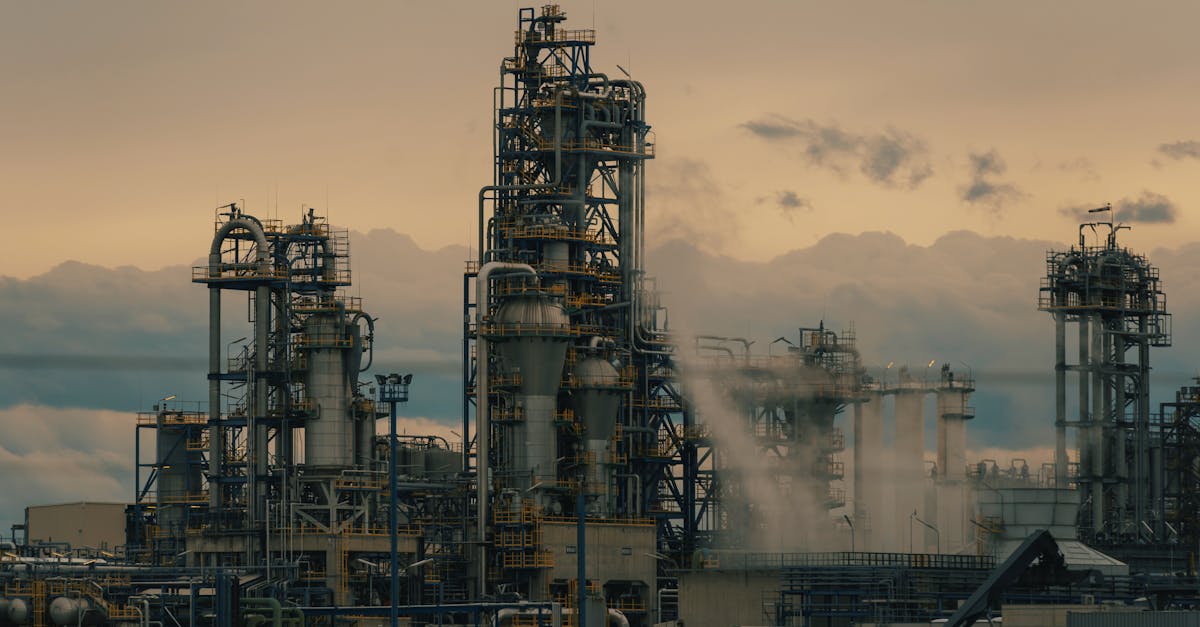
Following the capture of Venezuelan President Nicolás Maduro, the Trump administration has shifted its focus from drug interdiction to a different export: oil. Despite previous claims, the administration now aims to heavily invest in reviving Venezuela's vast oil industry. President Trump plans to "fix the badly broken infrastructure" and extract "tremendous wealth." However, this ambition comes with significant geopolitical and environmental questions, especially given that Venezuela's abundant oil reserves are notoriously difficult to refine and produce far more carbon dioxide than lighter crude. This push to expand fossil fuel extraction directly contradicts urgent global efforts to combat climate change.
The Trump administration's ambitious plan to revitalize Venezuela's oil production raises significant environmental concerns. Venezuela holds the world's largest known oil reserves, boasting over 300 billion barrels—about 17 percent of the global total. Despite this, its current production is only a fraction of global output, a consequence of decades of underinvestment, mismanagement, and sanctions.
The crucial issue for our planet lies in the nature of Venezuela's oil. It's a heavy, tar-like crude, difficult and costly to refine. More importantly, this type of oil generates substantially more carbon dioxide than lighter oils, leading President Trump to call it the "dirtiest." Expanding the extraction of such environmentally intensive oil would mean pumping billions into an energy source that significantly contributes to the climate crisis.
At a time when global efforts are urgently focused on transitioning to cleaner, sustainable energy solutions, boosting the production of the dirtiest fossil fuels could gravely undermine progress. This situation underscores the critical need to prioritize environmental protection and accelerate the shift towards electrification and renewable energy, rather than deepening our reliance on fossil fuels that accelerate global warming.