Vieques' 'Sea Farmers' Reveal What's Truly at Stake

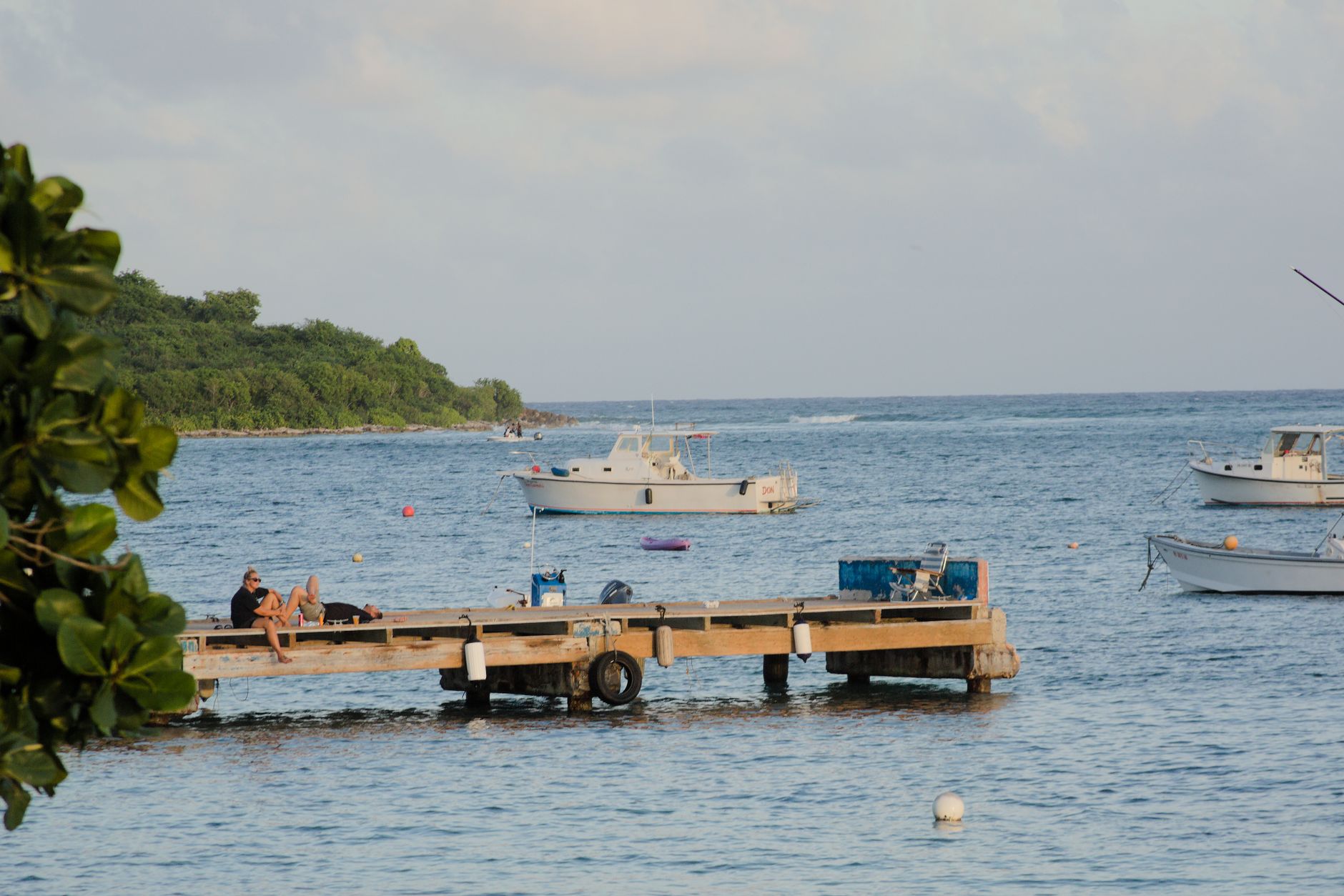
A new documentary, "Agricultores del Mar" (Farmers of the Sea), shines a light on the resilient commercial fishermen of Vieques, Puerto Rico. Led by Pedro A. Zenón, these "sea farmers" navigate a complex web of environmental and historical challenges. The film reveals how climate change is heating and acidifying the ocean, impacting vital coral reefs, while the legacy of past military occupation continues to affect their waters and land. Despite these immense obstacles, their dedication to fishing remains crucial for the island's food security and a powerful example of environmental stewardship.
A new documentary, "Agricultores del Mar," offers a poignant look into the lives of commercial fishermen in Vieques, Puerto Rico. These "sea farmers," as they call themselves, are more than just providers; they are crucial guardians of their island's food supply and a testament to unwavering resilience in the face of daunting challenges. The film, featured on PBS Documentaries, shares the journey of fishermen like Pedro A. Zenón, showcasing their daily routines and the vital role they play in Puerto Rico's food sovereignty.
The ocean, their livelihood, is under increasing threat from climate change. Warming waters and rising acidity are devastating coral reefs, which are essential habitats for marine life. This makes the demanding work of fishing even harder, impacting hundreds of families who depend on the sea. The struggles of these fishermen clearly highlight the urgent need for global climate action to protect our oceans and the communities that rely on them.
Beyond environmental shifts, the people of Vieques also grapple with a complex historical legacy. For over six decades, the U.S. Navy used the island for bombing practice, leaving behind unremoved ordnance and contaminated lands. While community activism led to the Navy's departure, the environmental and public health impacts persist, with much land still not returned to the Viequenses. Yet, the fishermen persevere, showcasing incredible determination.
Filmmaker Juan C. Dávila Santiago, an environmental activist, emphasizes that fishing is often overlooked in discussions about food security, especially concerning climate impacts on agriculture. He believes the sea offers a crucial source of food independence, providing sustenance even when land-based crops are affected by drought or hurricanes. Fishermen, spending their lives immersed in the marine environment, develop a profound understanding of biodiversity and the delicate balance required to protect it from overfishing. This deep connection makes them powerful advocates for environmental protection.
The documentary ultimately serves as an invitation for all to reconnect with the sea and the natural world. By showcasing the beauty and struggles of Vieques, Dávila Santiago hopes to inspire pride and a sense of stewardship, particularly among children. He believes that understanding what we have is the first step in defending it for future generations, underscoring the powerful role of art in fostering environmental consciousness and collective climate action.