Virginia Governor steps into a crucial hidden energy cost battle

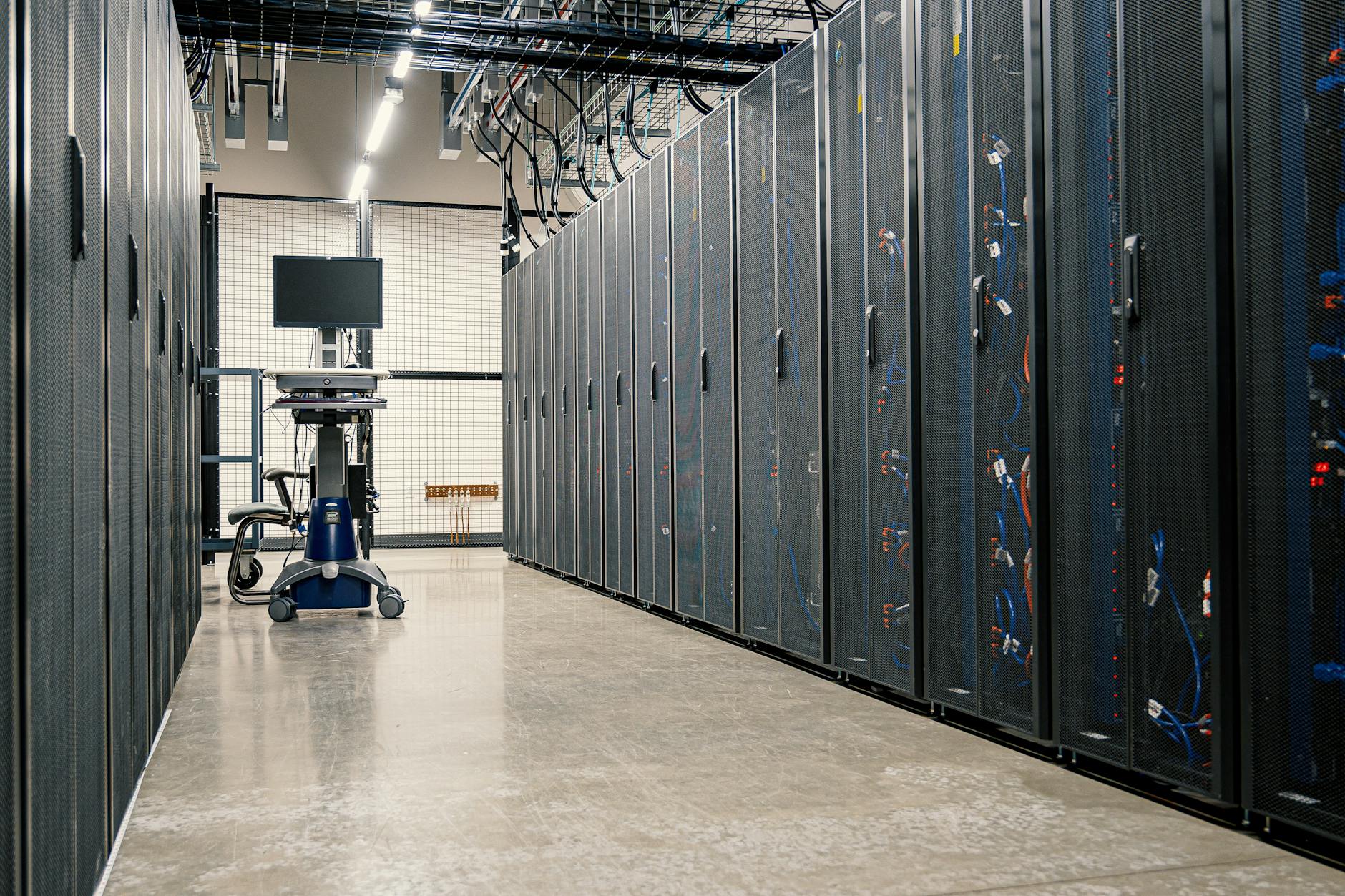
In an unusual move, Virginia Governor Abigail Spanberger is directly engaging with state regulators to address the soaring costs of electricity transmission, largely driven by the explosion of data centers. Her administration is pushing for these energy-hungry facilities to bear more of the financial burden for the new power lines they require, rather than having residential customers foot the bill. This effort aligns with the governor's commitment to creating an energy system that is not only affordable and reliable but also clean, ensuring that Virginia's rapid development doesn't disproportionately impact its residents.
Towering steel cables, known as transmission lines, are essential for delivering electricity across long distances. Northern Virginia, a global hub for data centers, needs many new lines due to these facilities' immense energy demands. These new lines represent billions in costs, which traditionally could fall partly on everyday residents through their utility bills.
Governor Spanberger, through her chief energy officer, has urged the State Corporation Commission (SCC) to change how these costs are assigned. The goal is to make sure data centers pay for the transmission projects they require. This is an important step as a typical residential customer's monthly bill could see an increase, partly from costs like the current “Rider T-1” that covers transmission projects Dominion is now seeking to recover $1.58 billion in related costs.
Her administration proposes a “but for” standard, meaning data centers would pay for transmission lines and substations that wouldn't be needed otherwise. This approach is similar to decisions made in other states, such as Pennsylvania. Environmental groups and local co-ops support this, seeing it as a way to ensure fair cost sharing and potentially encourage more responsible development of energy infrastructure.
Another proposed change is to shift how costs are allocated, moving away from relying solely on peak demand periods to a system that considers average energy use throughout the year. Data centers consume electricity very consistently, so this change could further reduce monthly bill increases for residents. These actions reinforce the administration's policy to foster an affordable, reliable, and clean energy system, highlighting the crucial need for sustainable solutions as our energy demands grow.