Virginia's Coastline at Stake: What Will This Election Bring?

Virginia's highly competitive second congressional district is at a crossroads, with incumbent Republican Jen Kiggans facing off against former U.S. Rep. Elaine Luria. This coastal region, encompassing Virginia Beach and Hampton Roads, is acutely vulnerable to climate change, experiencing frequent blue-sky flooding and land subsidence. The election is set to be a crucial referendum on how to address these environmental challenges, with voters keenly focused on issues like offshore wind energy, coastal protection, and the economic impacts of a changing climate.
The communities along Virginia’s second congressional district are on the front lines of climate change. Residents regularly contend with severe flooding and sinking land, impacts that directly affect their homes, utility bills, and even insurance costs. As one local expert put it, this area is “undoubtedly one of the most impacted communities in the United States when it comes to climate change impacts.”
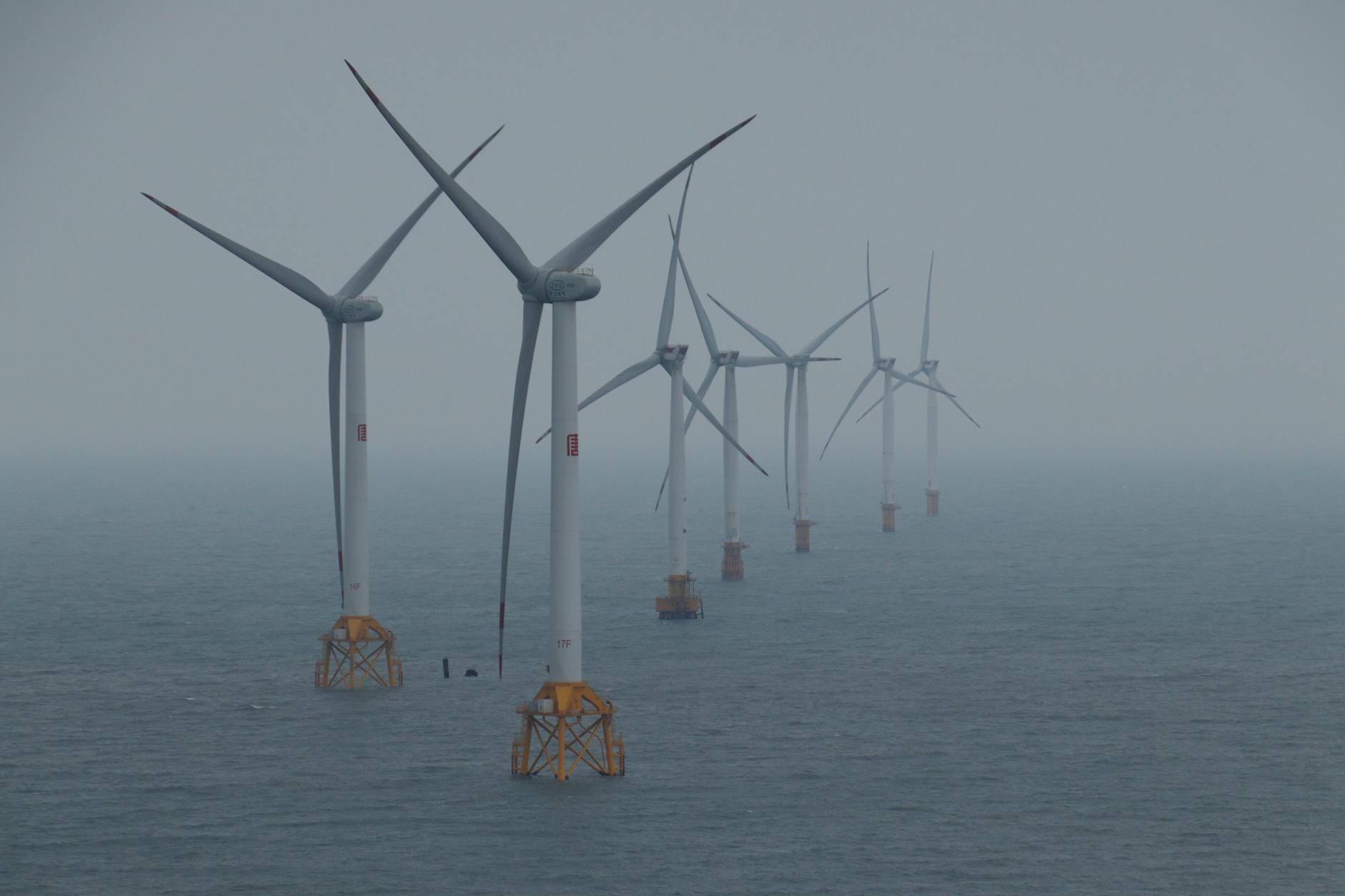
Central to the debate is the Coastal Virginia Offshore Wind (CVOW) project, a massive undertaking by Dominion Energy set to power 660,000 homes. This project represents a significant step towards cleaner energy and electrification, offering a sustainable alternative to traditional power sources while creating local jobs. Both candidates, Jen Kiggans and Elaine Luria, who share a Navy background, have voiced support for the CVOW project, acknowledging its benefits for the local economy and grid stability, particularly for military installations.
However, their broader approaches to environmental action differ. Elaine Luria, with a strong lifetime pro-environment voting record from the League of Conservation Voters, has been a vocal advocate for offshore wind and a staunch opponent of offshore drilling. She emphasizes the economic and national security risks posed by climate change.
Jen Kiggans, while supporting CVOW, has a lower environmental voting record according to the League of Conservation Voters. She introduced the Bolstering Ecosystems Against Coastal Harm (BEACH) Act to protect the coastline, but has been less critical of proposals like coastal mining. Research from the George Mason University Center for Climate Change Communication indicates that voters in this district increasingly link global warming to issues like flooding and find pro-climate stances to be politically beneficial.
Local organizations, such as the Elizabeth River Project and the Chesapeake Bay Foundation, are urging candidates to prioritize the preservation of the Hampton Roads ecosystem. They highlight the importance of investing in renewable energy, protecting crucial resources like oyster reefs, and developing robust flood prevention measures. These groups emphasize that transitioning to cleaner energy, like the offshore wind project, is not just about the environment but also about bolstering the state's energy grid and safeguarding vital industries. The urgency of these issues is undeniable, as recent severe storms have underscored the immediate need for effective solutions and strong federal leadership to protect this vulnerable coastal community.