OUTRAGE: Virginia Approves New Gas Plant, Ignores Climate Law!

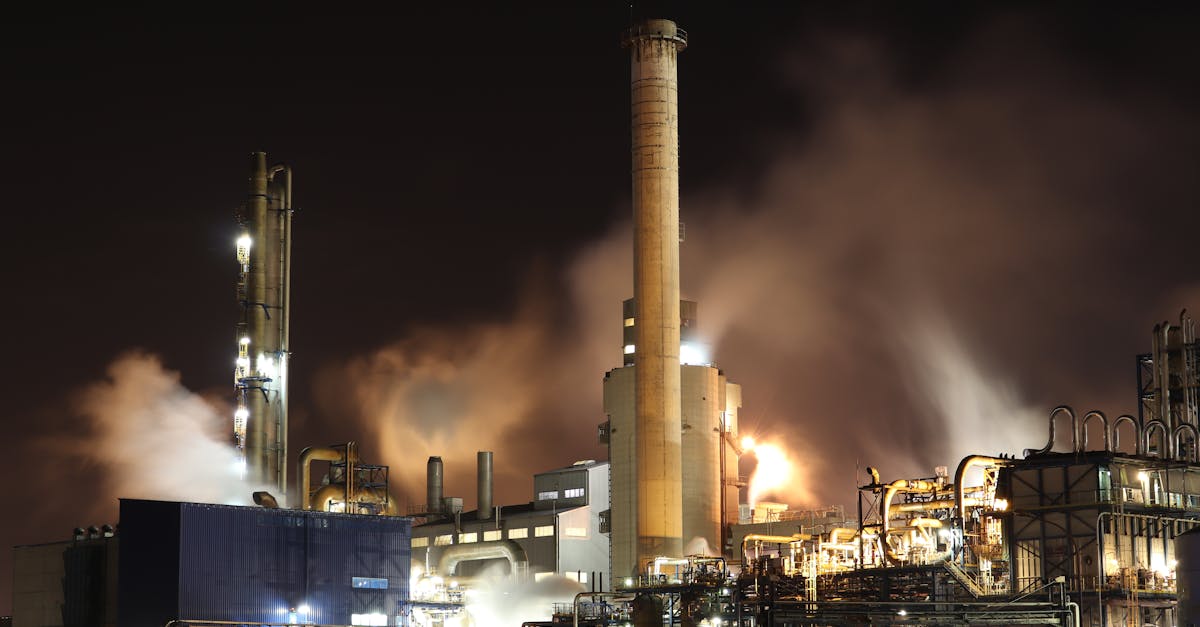
Virginia's energy landscape is facing a contentious shift as state regulators recently approved a new $1.47 billion natural gas plant. This decision, made by the State Corporation Commission, comes despite the Virginia Clean Economy Act, which aims for a cleaner energy future by 2045. The approval for Dominion Energy's Chesterfield plant is primarily driven by a dramatic surge in electricity demand from the state's booming data center industry, now making Virginia the world's data center capital. Critics argue this move is a significant step backward for climate goals and raises concerns about grid reliability and rising costs for consumers. The debate highlights the urgent challenge of environmental commitments.
Virginia's State Corporation Commission recently gave the green light to Dominion Energy's plan for a new $1.47 billion natural gas plant in Chesterfield County, despite the state's commitment to clean energy. This decision, approved on November 25, allows for the construction of the Chesterfield Energy Reliability Center (CERC), which is intended to meet growing power demands across the state. This move directly clashes with the spirit of the Virginia Clean Economy Act, a law encouraging a shift towards renewables and the closure of carbon-emitting plants by 2045.
The primary driver behind this controversial approval is the unprecedented surge in electricity demand from data centers, which have made Virginia the global hub for these power-hungry facilities. Regulators acknowledged the "imminent reliability threat" without new generation resources, stating that renewable alternatives weren't deemed suitable for the immediate need. Dominion Energy emphasized that the 944-megawatt natural gas plant, replacing former coal units, would act as a "peaker plant," providing quick-response electricity during times of high demand, a provision allowed under the state’s clean energy act. Dominion's own data projected significant increases in summer demand from all customers, peaking at almost 24 gigawatts.
However, environmental groups, community advocates, and concerned lawmakers are vehemently opposing the decision, calling it a significant setback for climate action. Critics argue that Dominion has downplayed the potential of renewables and failed to explore cheaper, cleaner alternatives. They also point fingers at PJM Interconnection, the regional grid operator, for delays in connecting renewable projects and for potentially risking grid reliability by allowing too many data centers without adequate power, as highlighted in a formal complaint to the Federal Energy Regulatory Commission. Concerns about soaring electricity prices also add to the criticisms, and a study by the Chesapeake Bay Foundation raised concerns about potential pollutants from the plant affecting air and waterways.
This approval highlights a critical tension: how to support economic growth, especially from sectors like data centers, while aggressively combating the climate crisis. The decision to build more fossil fuel infrastructure now, when the world urgently needs to transition away from them, sets back Virginia's clean energy timeline and exacerbates the global warming challenge. Community members are vowing to continue the fight, stressing that Dominion's profits should not come at the expense of public health and a sustainable future. The urgency of transitioning to clean energy has never been clearer, yet this decision seems to move in the opposite direction.