WA's New Cooling Law: A Vital Right Many Don't Know.

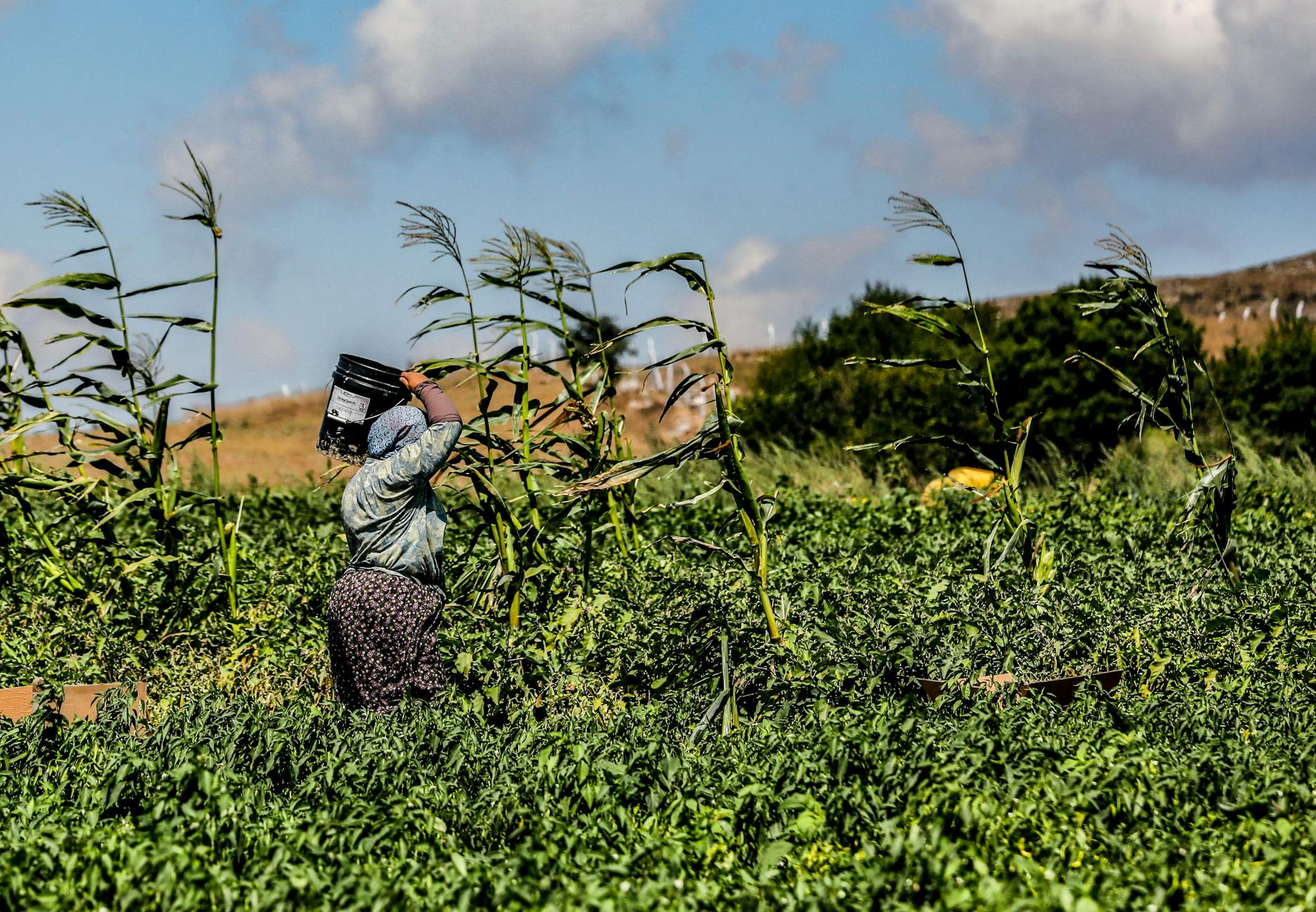
Washington state has passed a new law, SB 6200, granting tenants greater rights to air conditioning – a critical step as extreme heat worsens due to climate change. However, this vital protection remains largely unknown among the state's agricultural workers, who are particularly vulnerable to rising temperatures and often live in rented housing. Experts warn that widespread awareness of these cooling rights could literally save lives, especially in a region where air conditioning isn't always standard. The situation highlights an urgent need for effective outreach to ensure those most at risk can access these essential safeguards against the escalating impacts of global warming.
Washington's new cooling law, known as SB 6200, was signed in March by Governor Bob Ferguson, making it illegal for most landlords to charge extra for air conditioning units or prevent tenants from installing them. Despite its importance, organizations like Familias Unidas por la Justicia, a farmworker union, admit the law was not on their radar. This lack of awareness is deeply concerning, as extreme heat, driven by fossil fuel pollution, is intensifying across the Pacific Northwest, making adequate cooling a matter of life and death.
Agricultural workers, who spend long hours outdoors, are particularly susceptible to heat-related illnesses. The devastating 2021 heatwave in the region claimed over 400 lives in Washington alone, a state where air conditioning is less common than in most others. Being able to cool down at home after a day under the scorching sun is crucial, not just for comfort but for recovery, as rising nighttime temperatures also pose significant health risks, potentially affecting sleep and overall health.
While the new law is a vital step, the burden of buying and installing AC units, along with potential higher energy costs, falls on tenants. Moreover, enforcing these rights requires tenants to confront landlords, a challenge complicated by fears of immigration enforcement (ICE), which has historically deterred farmworkers from organizing or speaking up. Activists like Rosalinda Guillen note that increased immigration control has stifled outreach efforts, leaving many unaware of their new protections.
This effort to establish cooling as a tenant right is part of a growing national trend, with Oregon (law), Los Angeles County, New York City (laws), and Arizona passing similar laws to combat the escalating threat of extreme heat. However, the true benefit of such legislation only materializes when those most at risk are informed and empowered to use their rights. Ensuring that agricultural workers, who contribute so much to our communities, are protected from the severe impacts of a warming planet is not just a legal issue but a moral imperative. Collective action is essential to bridge this knowledge gap and safeguard vulnerable populations.