Walmart's Green Growth Secret: Emissions Down 25%, Business Up

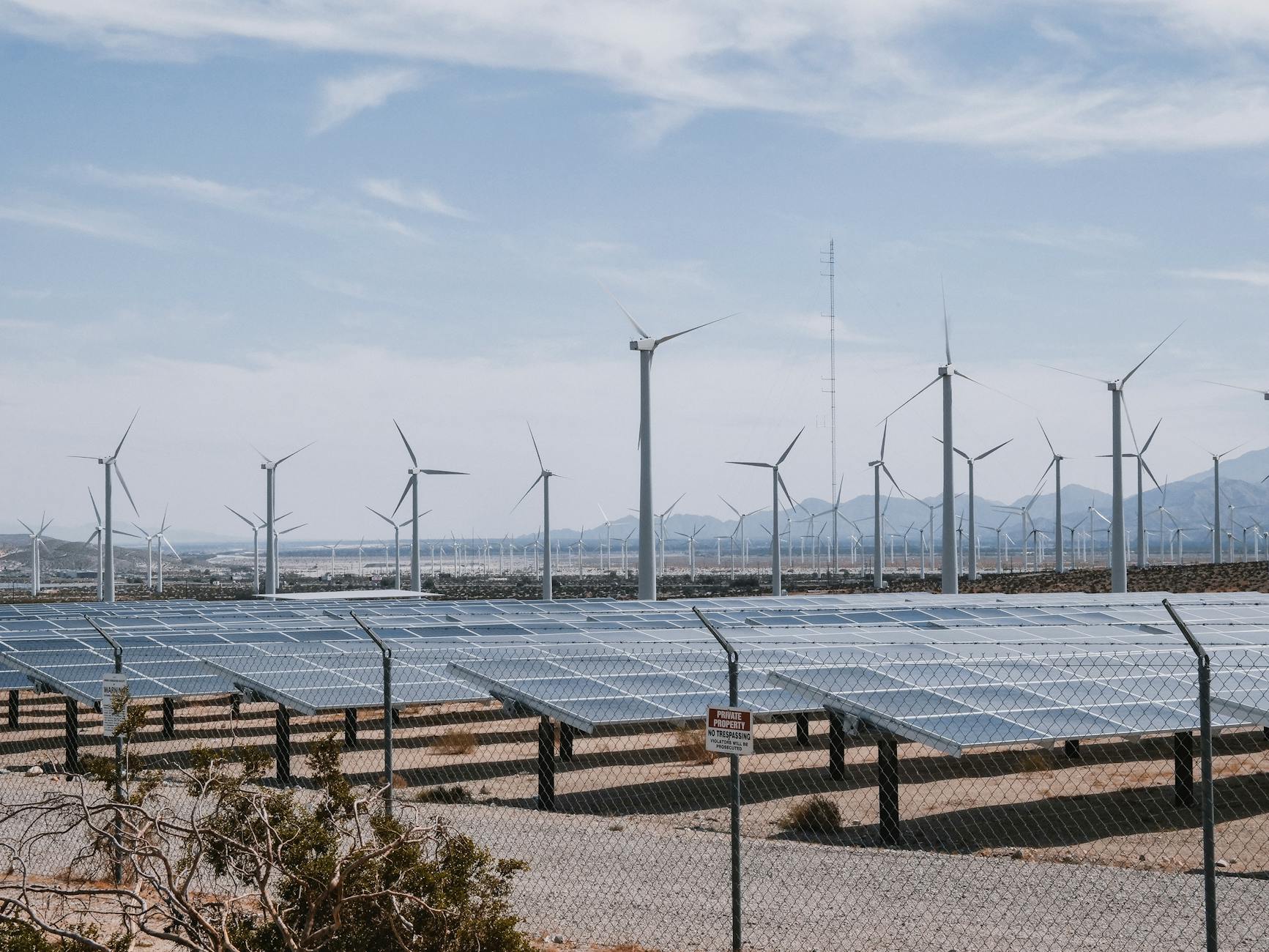
Walmart, the world's largest retailer, has achieved a significant environmental milestone, cutting its operational greenhouse gas emissions by 25% from 2015 levels. This remarkable progress comes as the company continues to expand its business, driven by e-commerce and investments in artificial intelligence. By embracing renewable energy sources, improving energy efficiency in its stores, and adopting cleaner transportation, Walmart is making tangible strides toward its ambitious goal of becoming a zero-emissions company by 2040, as detailed in its FY2026 ESG Report. This demonstrates that business growth and vital climate action can go hand-in-hand, underscoring the urgency of sustainable solutions in global commerce.
Walmart is demonstrating that even a massive global retailer can grow its business while making serious progress on climate change. The company recently announced a 25% reduction in its own operational greenhouse gas emissions compared to 2015, all while expanding its e-commerce services and investing in new technologies like AI. Its strong first quarter of fiscal 2027 results show continued growth, serving 280 million customers weekly. This achievement marks an important step toward its ambitious goal of reaching zero emissions by 2040, showing a path forward for large businesses.
These cuts were made possible by a strong focus on sustainable solutions. Walmart now powers over half of its global operations with renewable electricity, far surpassing its earlier goals. They are also making stores more energy-efficient, upgrading refrigeration systems, and testing electric and hydrogen-powered trucks for a cleaner transportation network. These efforts highlight the clear benefits of electrification and embracing clean energy to reduce our carbon footprint.
However, Walmart's biggest environmental challenge lies beyond its own doors: its vast global supply chain. Almost 98% of the company's total emissions come from the products it buys, makes, and transports. This means that true climate action requires a collaborative effort from thousands of suppliers worldwide.
To tackle this, Walmart launched Project Gigaton, an initiative that encourages its suppliers to reduce emissions across various areas, from manufacturing and farming to packaging and transportation. Through this program, suppliers have collectively reported avoiding or reducing nearly 1.4 billion metric tons of greenhouse gases since 2017. This collective action is essential for addressing global warming and building a sustainable future.
Walmart's journey shows that reducing emissions is not just good for the planet, but it's also smart business. By prioritizing clean energy, improving efficiency, and working hand-in-hand with its partners, the company is proving that economic success and environmental responsibility can go hand-in-hand, paving the way for a more sustainable retail industry.