Walmart's Green Paradox: How Record Sales Saw Emissions Drop

Walmart, the world’s largest retailer, recently reported strong sales growth while simultaneously achieving a significant reduction in its operational carbon emissions. This dual success highlights the potential for major corporations to expand their business while actively tackling climate change. By prioritizing cleaner energy and sustainable practices, Walmart is setting a crucial example for how economic progress can go hand-in-hand with urgent environmental action, moving closer to its ambitious 2040 net-zero goal.
Walmart recently shared its latest financial results, showing robust sales growth globally, including a 23% jump in e-commerce. This continued expansion occurred even as consumers faced economic challenges. While U.S. comparable sales saw slightly slower growth, the company confidently raised its full-year sales forecast to 4% to 5% growth Walmart reported $187.9 billion, underscoring its massive market presence.
What's particularly significant is Walmart's parallel progress on the environmental front. The company announced a 7.5% year-over-year drop in its direct operational emissions, known as Scope 1 and 2 emissions, in its latest ESG report Walmart ESG report. This is a substantial step towards its goal of reaching zero operational emissions by 2040, a target it aims to meet without relying on carbon offsets.
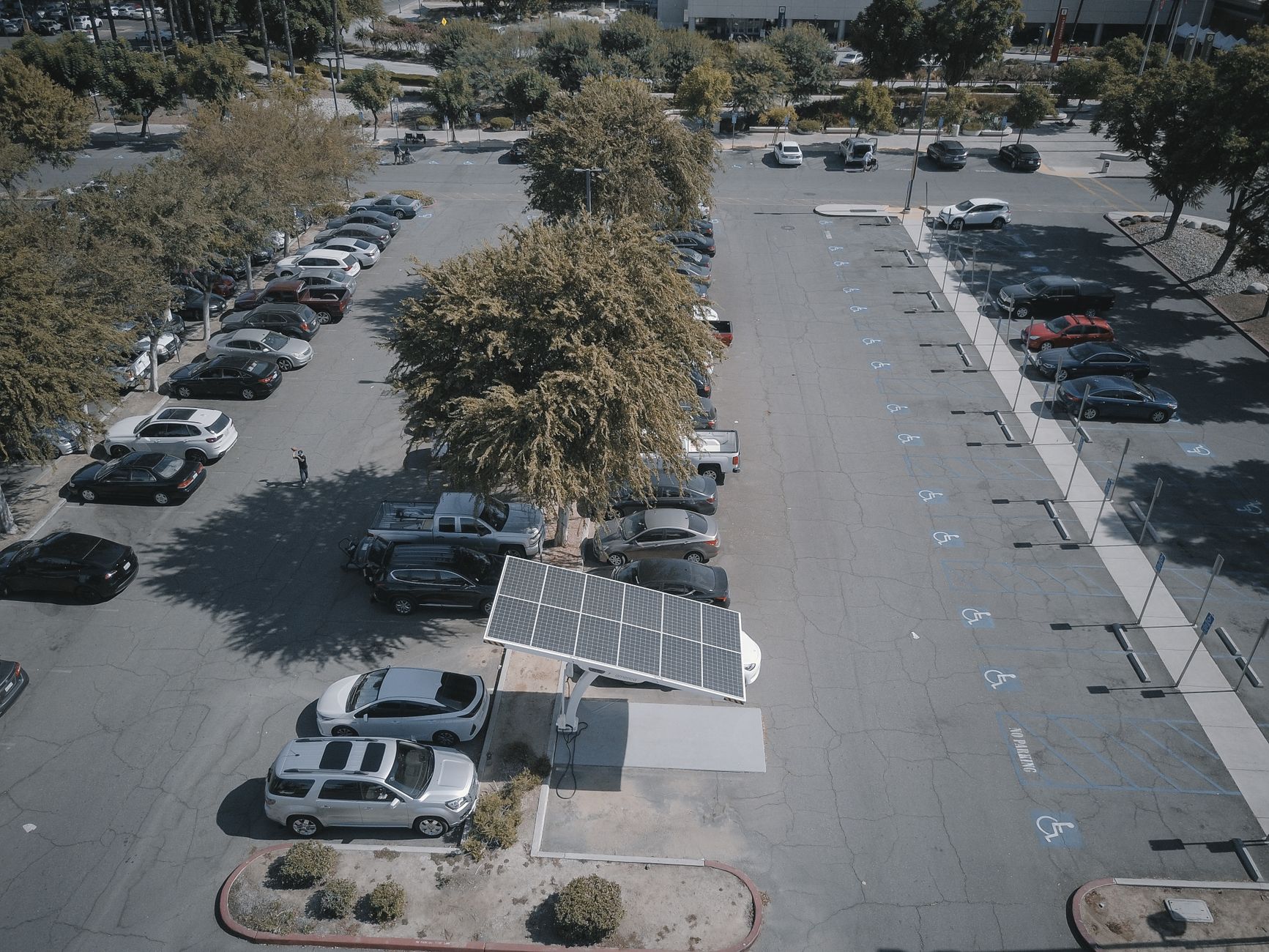
A key driver behind this reduction is the shift to clean energy. More than half of Walmart's global electricity needs—53.3%—are now met by renewable sources, surpassing an earlier target. This commitment to electrification extends to expanding electric vehicle charging stations at its U.S. locations, making sustainable choices more accessible for customers. Replacing fossil fuels with cleaner electricity and moving towards electric vehicles and equipment are vital steps in building a more sustainable future, offering clear benefits for air quality and reducing our reliance on polluting energy sources.
However, the journey isn't without its bigger challenges. Walmart's largest climate footprint comes from its vast supply chain, often referred to as Scope 3 emissions. These are much higher than its direct emissions, making it crucial for the company to work closely with its thousands of suppliers. Through initiatives like Project Gigaton, Walmart collaborates with partners on areas like energy efficiency, sustainable packaging, and waste reduction. While these efforts have led to significant reported reductions by suppliers, the sheer scale of Walmart's business means continuous vigilance is needed to ensure growth doesn't inadvertently increase its overall carbon impact.
The actions of a company as large as Walmart have a ripple effect across the global economy. Its commitment to reducing emissions directly and influencing its supply chain demonstrates that sustainable business practices are not just possible, but increasingly essential for long-term health, both for the planet and for businesses.