Warm Oceans Pose Hidden Threat to Children’s Health

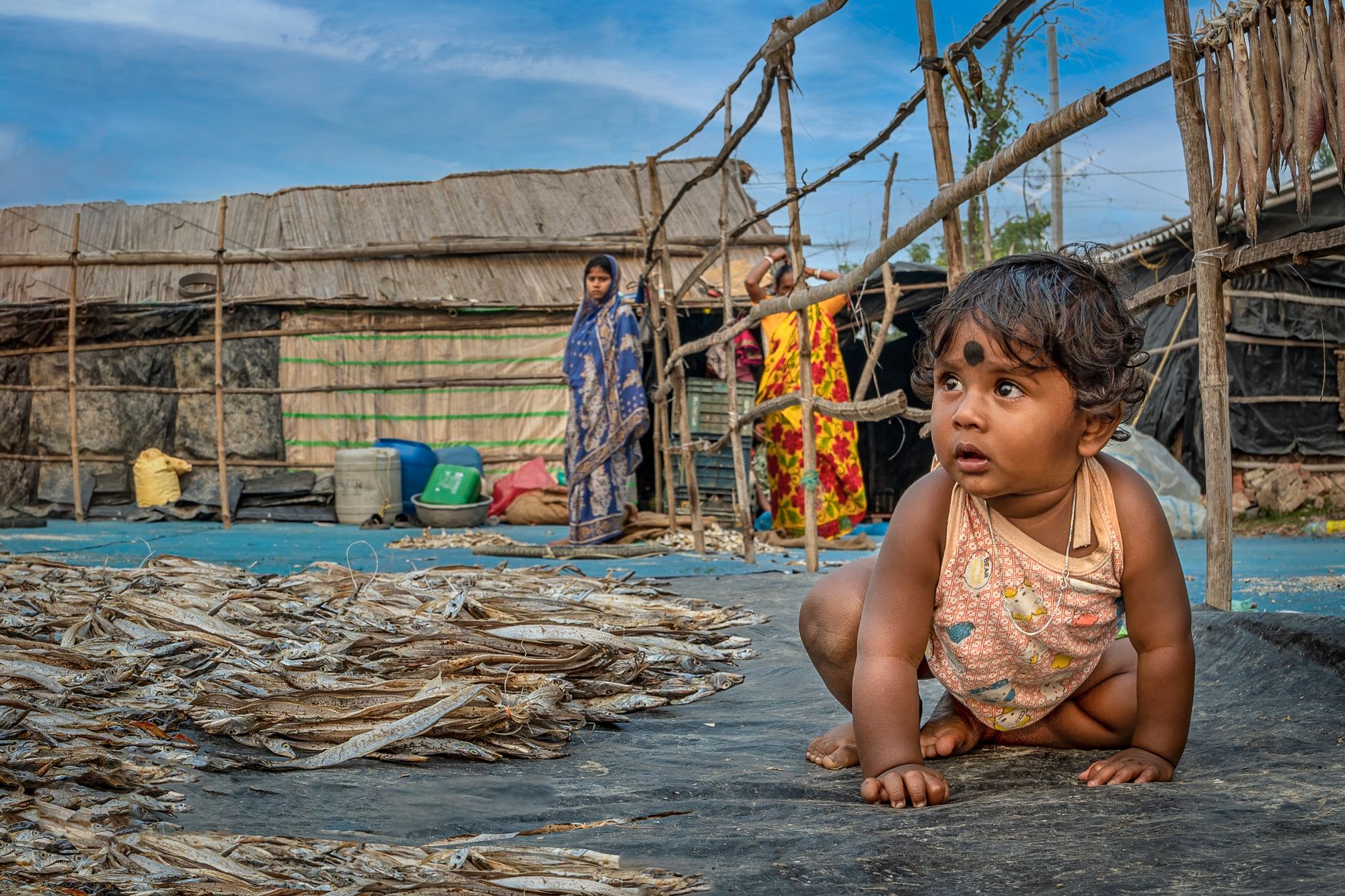
When ocean temperatures rise significantly, the effects ripple far beyond marine life, profoundly impacting human health in coastal regions. New research from the University of North Carolina at Chapel Hill reveals a disturbing link: increased exposure to marine heat waves dramatically elevates the risk of child mortality, stunted growth, and a severe form of malnutrition called wasting. These extreme ocean temperature events, becoming more frequent and intense due to human-caused climate change, disrupt vital fishing ecosystems. This jeopardizes food security and income for communities, particularly threatening the youngest and most vulnerable among us, underscoring the urgent need for climate action.
Marine heat waves are periods when ocean temperatures soar unusually high for at least five days, sometimes lasting weeks or months. Driven by human-caused climate change, these events are becoming more common, intense, and prolonged globally, according to Sally Dowd, a co-author of the recent study published in PNAS. This warming has devastating effects underwater, causing widespread die-offs of fish and crucial ecosystems like coral reefs and kelp forests. Fish stocks may also move away or lose nutritional value, directly impacting the availability of food from the ocean.
These ecological disruptions hit coastal communities hard, especially those in low- and middle-income countries that rely on fishing for food and income. When catches decline, families face lost livelihoods and food scarcity. For instance, fishers in Ghana and Indonesia report significant challenges as fish move to deeper, cooler waters or disappear altogether. This puts immense pressure on local economies and food supplies.
Children are particularly vulnerable to these changes. As they are still developing, disruptions to their food supply, nutrition, and community stability can have severe consequences, explained Laura Falkenberg, a marine biologist who studies marine heat waves and health in Nature Food. The new research from the University of North Carolina at Chapel Hill confirmed this, linking increased marine heat waves to a 5.4% rise in child mortality, a 6.5% increase in wasting (severe underweight), and an 8.8% increase in stunting (impaired growth). These impacts are most pronounced in urban areas and countries heavily dependent on small-scale fisheries.
This alarming evidence makes it clear that marine heat waves are not just an environmental issue; they are a serious public health concern, especially for our children. Understanding these profound links between ocean health and human well-being is vital for developing effective public health strategies as climate change continues to warm our planet. Addressing global warming and protecting our marine ecosystems is crucial to safeguarding the future health of vulnerable populations worldwide.