Washington city faces unprecedented devastation from a new type of fire.

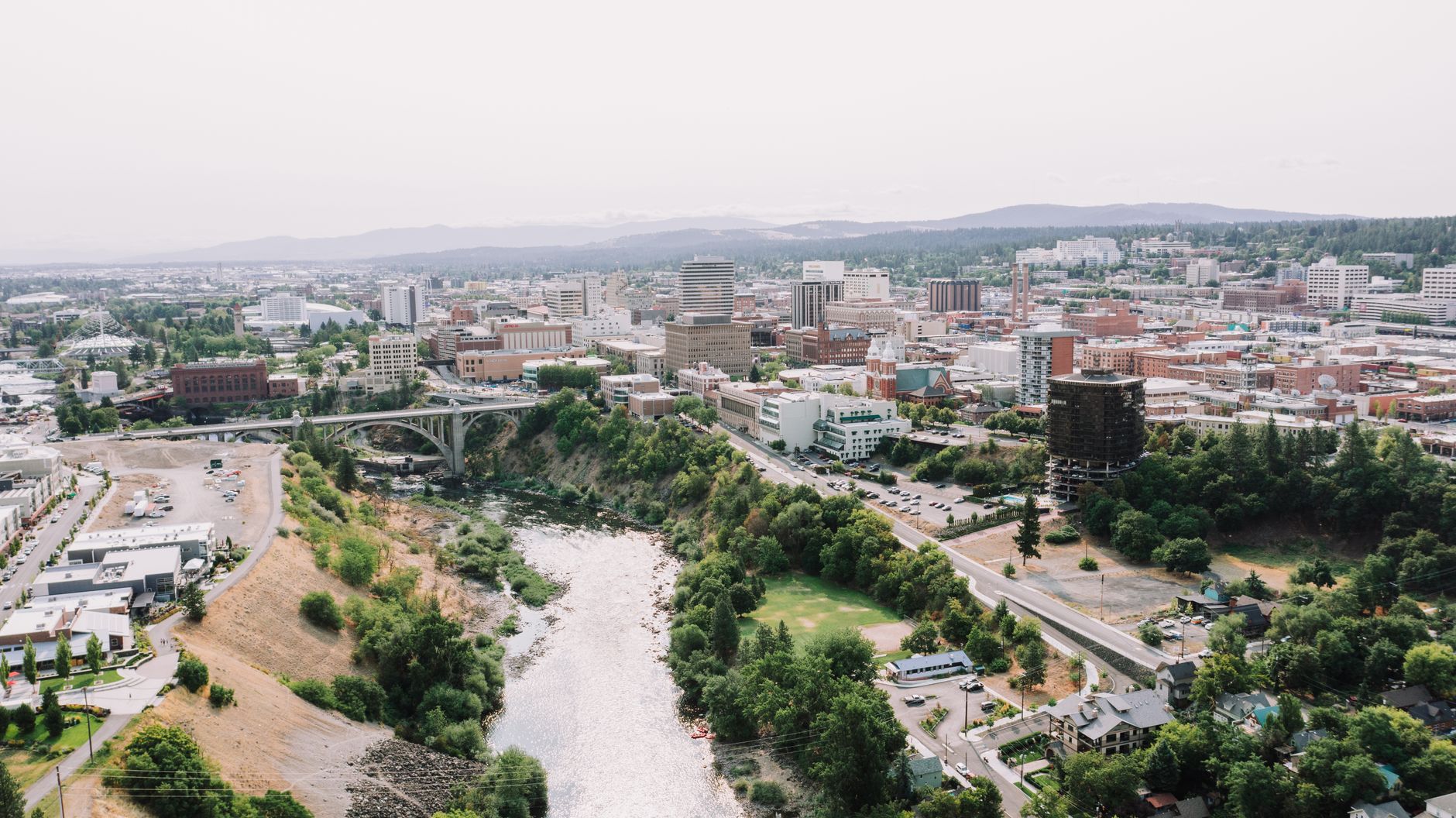
Spokane, Washington, recently endured its most destructive wildfire in history, as an urban firestorm destroyed over 700 structures and forced nearly 65,000 people to evacuate. Driven by extreme winds and severe drought conditions exacerbated by a warming climate, this blaze highlights a dangerous trend of intensifying wildfires. As vast smoke plumes from fires across the U.S. and Canada blanket millions, the urgent need for climate action and sustainable solutions becomes starkly clear to protect public health and communities.
On Saturday, August 1, a ferocious urban firestorm ravaged Spokane, Washington, marking the state's most devastating wildfire incident to date. Fueled by powerful 44 mph winds, as recorded at Spokane’s airport, and exceptionally dry conditions – a result of record-low winter snowpack and a scorching summer – the Old Trails Fire leapt between buildings, its spread aided by burning embers hurled over half a mile, according to The Hotshot Wake Up, turning homes into fuel. This chaos led to the destruction of at least 700 structures and triggered evacuations for nearly 65,000 residents in the city's northwest. Officials had issued a rare “Particularly Dangerous Situation” Red Flag Warning, indicating the extreme risk.
This event is not isolated. Spokane's fire is the latest in a troubling rise of “urban firestorms” across the U.S., where fires engulf built environments, using structures as their primary fuel. Major incidents like those in Gatlinburg, Paradise, and Lahaina in recent years underscore this growing threat. Six of the ten most costly wildfire disasters globally since 1900 have occurred since 2017.
This surge is largely due to more development in high-risk areas, but significantly, it's also linked to climate change. A warmer atmosphere draws more moisture from plants, drying them out and creating ideal conditions for larger, more intense fires. The urgent reality is that as our planet warms, these catastrophic events become more frequent and destructive.
Beyond the immediate devastation, vast plumes of dense, hazardous smoke from 102 uncontained wildfires across the U.S. and numerous blazes in Canada are now blanketing tens of millions. Particle pollution, specifically fine PM2.5 particles, reached “Unhealthy” levels across multiple states and provinces on Sunday. These unhealthy air conditions are forecast to expand, affecting major population centers like Portland, where an air quality advisory is in effect. These widespread pollution events, particularly alongside heatwaves, are projected to cause hundreds of premature deaths, as a 2025 study attributed tens of thousands of premature deaths globally to Canada's 2023 wildfires.
This is a global challenge, with Europe also battling unprecedented wildfires and hazardous smoke, as documented by The Guardian. The rising frequency and intensity of these events serve as a powerful reminder of the profound impact of climate change on our communities and health. Protecting our environment through decisive action is not just an ideal, but a necessity for a safer future.