Climate Backlash: Trump Order Revives Washington Coal Plant, Ignores State Law

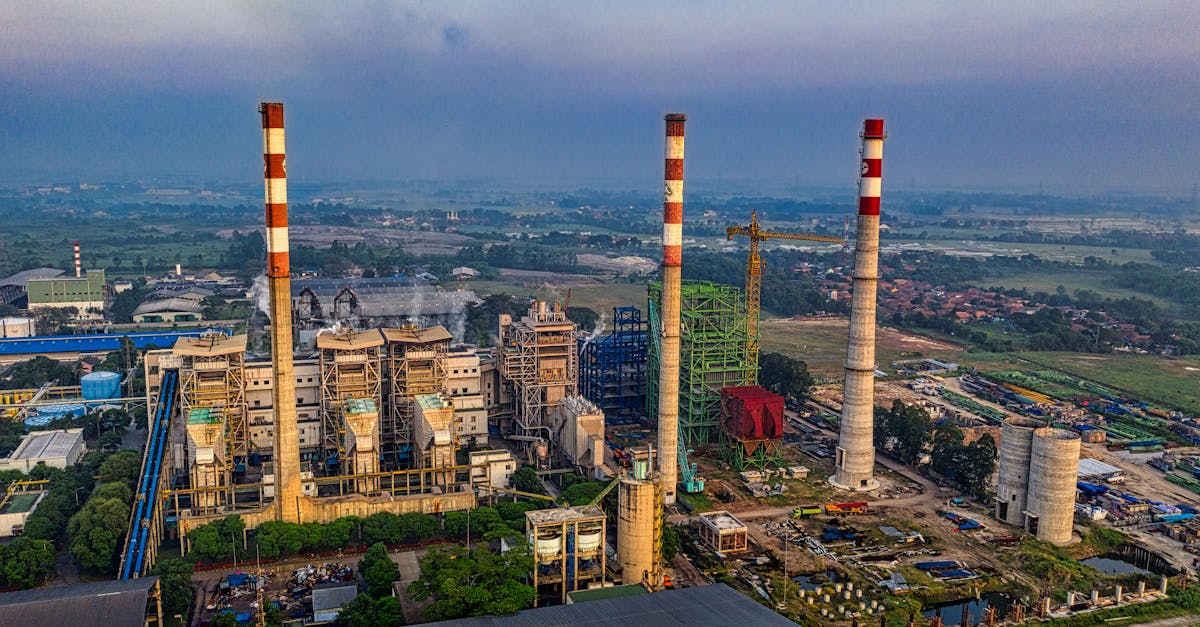
The Trump administration has ordered Washington state's last coal-fired power plant to remain operational for at least 90 more days, overriding a 15-year plan to close it and convert it to natural gas. This federal intervention, citing a non-existent electricity shortage, directly challenges state law and environmental goals. While the state was on the brink of cutting carbon emissions from the plant in half, this decision forces a continued reliance on fossil fuels, highlighting a tension between federal policy and local efforts to combat climate change.
Washington state’s plan to shut down its final coal-fired power plant and transition it to natural gas was abruptly halted by a federal order. The Department of Energy, under the Trump administration, declared an “emergency” in the Pacific Northwest and mandated the Centralia facility continue burning coal. This came despite the plant being days from its planned closure, a milestone Washington state had worked towards since 2011, with workers already retrained for the conversion.
However, state officials, including Governor Bob Ferguson, along with regional energy experts, quickly debunked the claim of an immediate electricity shortage. They pointed out the irony of fabricating an energy crisis while the state grapples with a genuine emergency: record-setting rainfall and widespread flooding that have displaced thousands and damaged infrastructure. Washington officials are now exploring legal options to fight the federal directive, which they say ignores both law and facts.
Beneath this immediate conflict lies a larger, long-term energy challenge for the Pacific Northwest. The region is experiencing a surge in electricity demand, fueled by a booming tech economy with numerous data centers, a growing adoption of electric vehicles (EVs), and increased need for home air conditioning due to a changing climate. According to a report by E3, the Northwest could face a 9-gigawatt power shortfall by 2030, roughly the electricity load of Oregon.
The region heavily relies on hydroelectric dams, with Washington getting about 60 percent of its power from them. Yet, changing weather patterns—less snow and more rain—and severe droughts have undermined the reliability of this system. For instance, the Grand Coulee Dam, the nation's largest electricity producer, generated about half as much power last year as it did in 2012, according to the U.S. Energy Information Administration.
Further compounding the issue is the slow integration of new renewable energy sources like wind and solar into the grid. A ProPublica and Oregon Public Broadcasting investigation revealed significant delays by the Bonneville Power Administration in connecting new green projects. This highlights the urgent need to modernize our energy infrastructure and accelerate the shift to clean, sustainable power sources to meet growing demand without sacrificing environmental goals. Electrification, coupled with a robust renewable energy grid, offers a powerful path to a stable and cleaner energy future.
Washington state has ambitious laws, mandating carbon-neutral power by 2030 and a greenhouse gas-free electricity system by 2045. This federal order to keep a coal plant burning directly contradicts these vital commitments. It underscores the critical importance of prioritizing sustainable solutions and collective climate action to secure a clean and reliable energy future for everyone.