Washington Floods: What Happens If Levees Fail?

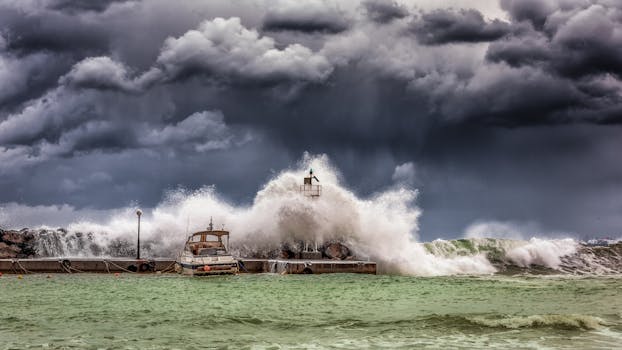
Washington state is under a state of emergency as relentless torrential rains trigger massive floods, mudslides, and evacuations across multiple counties. Rivers like the Skagit are set to hit record levels, threatening homes, farms, and highways, with tens of thousands at risk. Governor Bob Ferguson warns of lives in danger, deploying National Guard for rescues amid power outages for over 17,000. This atmospheric river event underscores the growing intensity of storms fueled by climate change, making such disasters more frequent and urging immediate action for resilient infrastructure and emission cuts to curb global warming.
Heavy rains have pushed rivers over banks, closing roads like Interstate 90 after a mudslide buried cars under debris. In Skagit County, evacuations are underway as the Skagit River nears 41 feet in Mount Vernon, potentially overwhelming floodwalls built after past disasters.
Rescue teams pulled people from waist-deep waters at RV parks, while cities like Sumas sounded sirens for residents to flee. National Guard troops are rushing in with boats, as another storm looms by Sunday.
Experts link these extreme downpours to climate change, which intensifies rainfall and heightens flood risks. Protecting communities means investing in sustainable defenses and slashing fossil fuels to slow warming—every delay costs lives and livelihoods.