Wastewater's Hidden Power: Microsoft's Surprising Climate Strategy

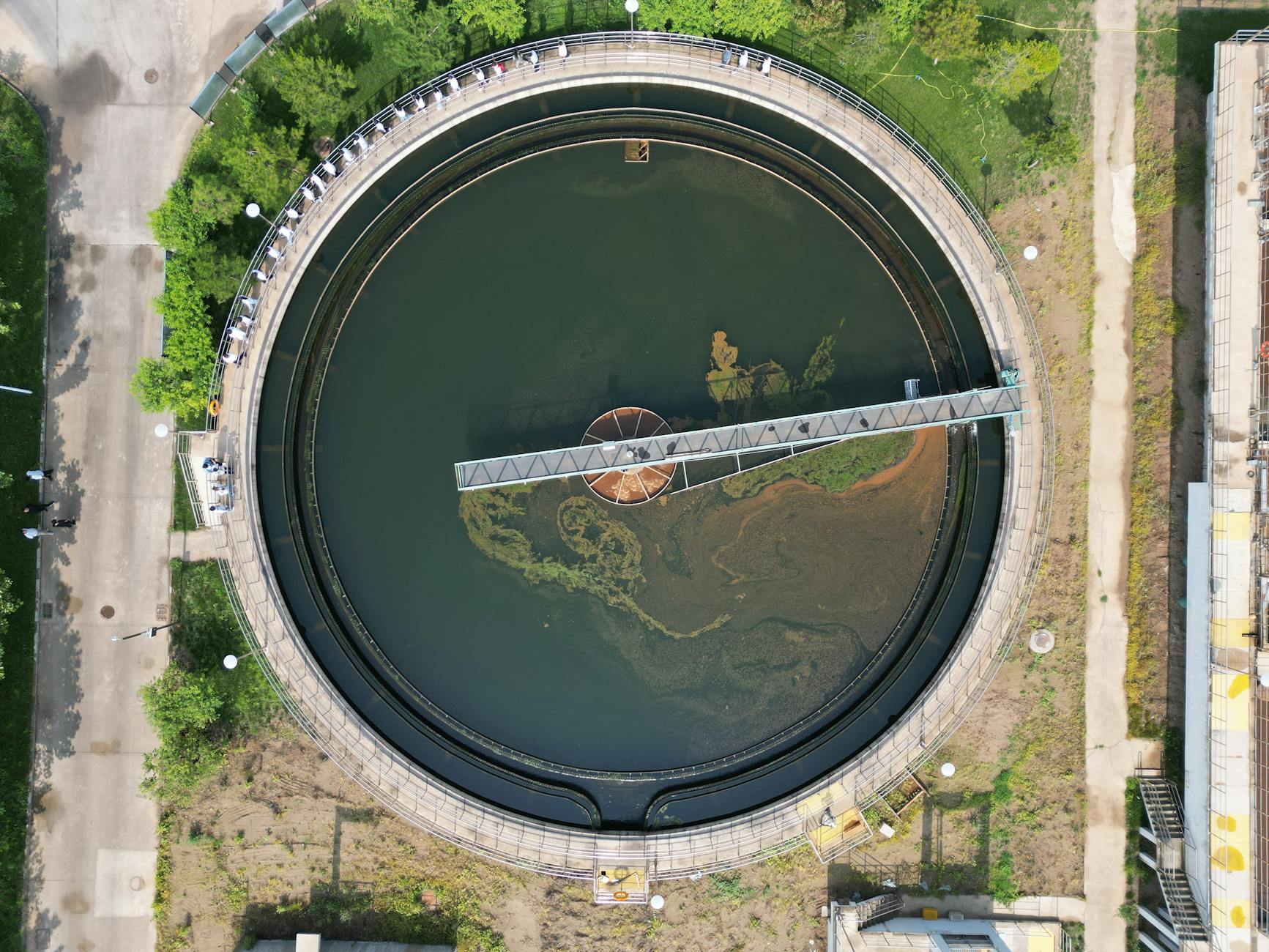
Microsoft is expanding its climate efforts by investing in a novel carbon removal technology that utilizes wastewater treatment. Through an agreement with CREW Carbon, the tech giant will purchase credits from projects that capture carbon while cleaning water. This innovative approach offers a promising pathway for lasting carbon removal by converting dissolved CO2 into stable forms, effectively turning existing infrastructure into a powerful tool against climate change. This move underscores the critical need for diverse and scalable solutions to address global warming.
Microsoft is taking a fresh approach to tackling climate change, adding an unexpected technology to its growing list of carbon removal solutions. The company has partnered with CREW Carbon, a U.S. startup, to support projects that remove carbon during wastewater treatment. This isn't just another tech deal; it signals Microsoft's commitment to exploring diverse, faster-scaling, and cost-effective methods beyond traditional solutions like direct air capture or biochar.
CREW Carbon's innovative process involves adding alkaline minerals to wastewater. These minerals react with carbon dioxide, transforming it into stable bicarbonate ions that eventually flow into the ocean, where the carbon can be stored for thousands of years. What makes this particularly clever is that it integrates with existing wastewater plants, meaning new facilities don't need to be built. It's a double win: improving water treatment while permanently removing carbon from our atmosphere.
This agreement aligns with Microsoft's ambitious goals: to be carbon-negative by 2030 and remove all carbon emissions since its founding by 2050. Such commitments require not just cutting current emissions but also actively removing past ones. Microsoft has already contracted for over 78 million metric tons of carbon removal across many projects, recognizing that billions of tons of CO₂ must be removed globally each year to keep global warming in check, ideally below 1.5°C.
The global push for net-zero emissions has fueled a boom in carbon removal, with companies like Microsoft, Google, and Stripe leading the charge. This demand is critical, as experts like the Intergovernmental Panel on Climate Change (IPCC) and the International Energy Agency (IEA) highlight the necessity of removing billions of tons of CO₂ annually. Wastewater treatment, which currently contributes to greenhouse gas emissions, can now become part of the solution, offering a dual benefit of carbon removal and reduced methane emissions—a potent greenhouse gas that warms the Earth significantly more than CO₂ over a shorter period, as noted by the United Nations Environment Programme (UNEP). Its ability to leverage existing infrastructure means this technology could scale up quickly.
Microsoft's investment, while modest in size, demonstrates a vital shift towards supporting early-stage, high-potential technologies. This strategy could accelerate innovation and expand the availability of durable carbon removal solutions. It shows that achieving net-zero emissions might come from surprising places, with wastewater treatment potentially becoming a significant player alongside forests, biochar, and direct air capture in our collective fight against climate change.