Waymo Ditches Uber Exclusivity: What Changes for Your Ride?

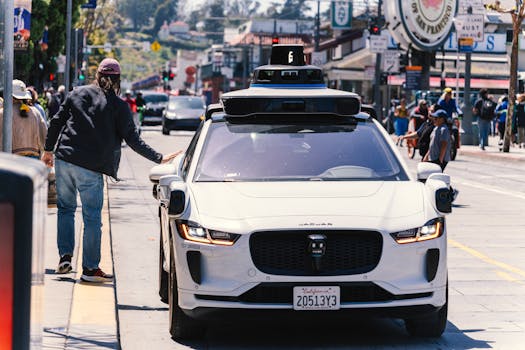
Alphabet Inc.'s Waymo, a leader in self-driving technology, is set to end its exclusive robotaxi partnership with Uber in Austin and Atlanta by January 2028. This strategic shift comes after customer feedback highlighted a desire for more consistent and direct access to Waymo vehicles, which were often a "crapshoot" through the Uber app. By launching its own dedicated app in these cities, Waymo aims to deepen its relationship with riders and intensify competition in the burgeoning autonomous vehicle market. This move underscores Waymo’s evolving strategy to commercialize its advanced, often electric, autonomous technology independently.
Waymo's decision to launch its own app in Austin and Atlanta stems directly from rider feedback. Customers currently using the Uber app in these cities found it frustratingly inconsistent to hail a Waymo vehicle, often unable to guarantee an autonomous ride even when preferred. This change, effective January 2028, ensures a direct and reliable Waymo experience, mirroring the service already available in other major cities like San Francisco.
The move marks a significant evolution in Waymo’s strategy to commercialize its high-tech, self-driving vehicles, which offer a cleaner, more efficient urban transport option. Initially, Waymo relied on partnerships with ride-hailing giants like Uber and Lyft to gain scale. However, the company now seeks to build its own direct relationship with users, emphasizing an elevated experience over a "race to the bottom" on price.
This shift also highlights growing competition in the autonomous vehicle sector, as Waymo, alongside companies like Tesla, increasingly opts for independent app platforms. While Waymo continues to invest heavily in expanding its fleet and refining its technology, it also faces challenges. These include ensuring profitability, managing the higher costs compared to traditional ride-hails, and continuously improving its software, which has seen past recalls for navigating unexpected situations like flooded roads. Looking ahead, Waymo also plans to license its self-driving technology to car manufacturers, further broadening its reach and impact.