Waymo Robotaxis Off U.S. Highways: Why the Pause?

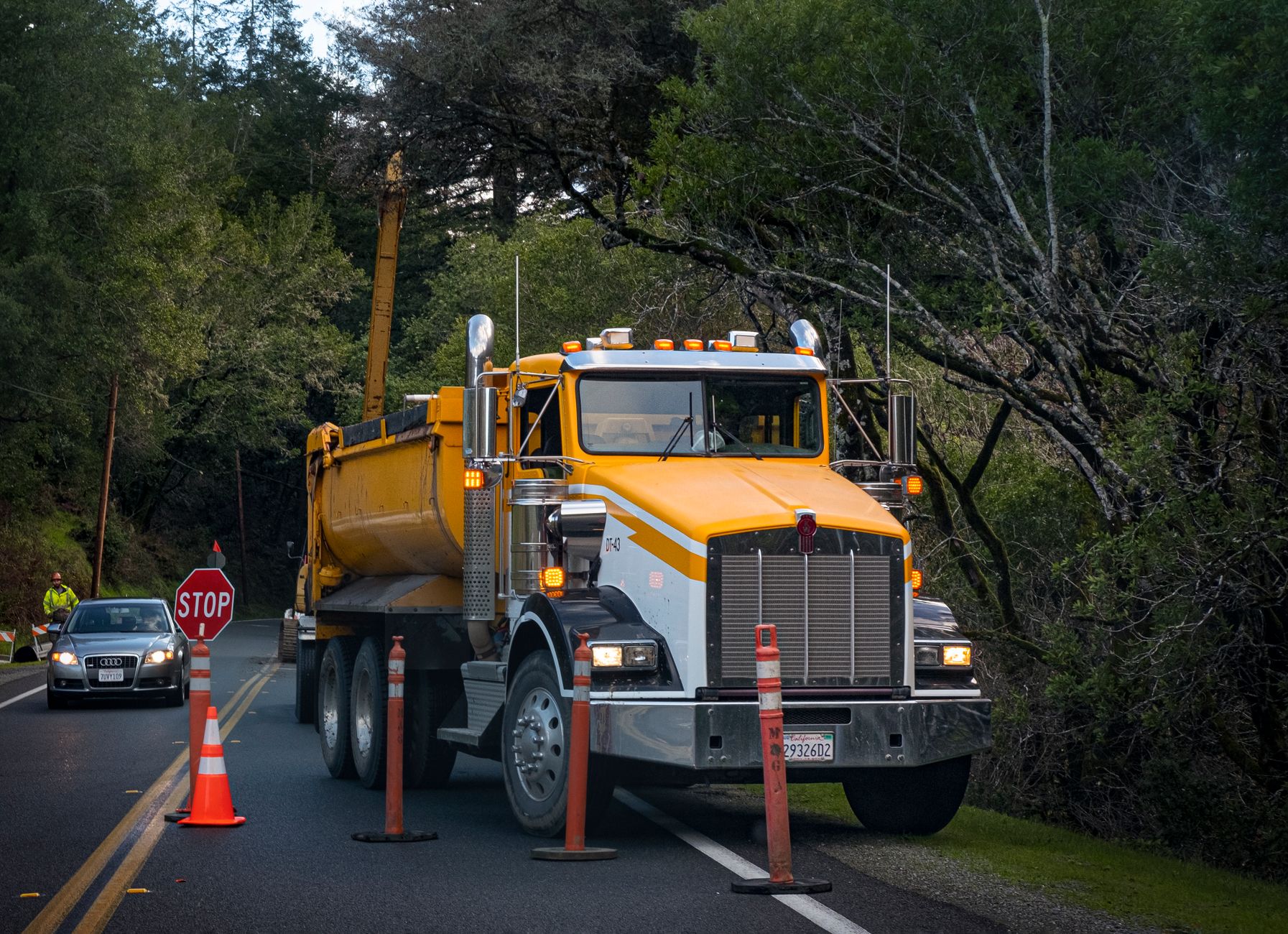
Alphabet’s Waymo has temporarily halted all its robotaxi rides on U.S. freeways. This decision follows a ban by the California Department of Motor Vehicles, which cited safety concerns after several incidents where Waymo vehicles entered active construction zones. While city street services for Waymo's electric robotaxis continue, this pause affects all freeway operations nationwide as the company evaluates performance. The move underscores ongoing challenges and the critical need for robust safety protocols in the development of autonomous and sustainable transportation.
The suspension of Waymo's driverless vehicles from American freeways began last week, initially in California, but the company, a leader in the robotaxi industry, extended the pause nationwide. This allows them to thoroughly evaluate their fleet’s performance, though their operations within city limits remain active.
The California Department of Motor Vehicles issued the ban after determining that Waymo’s “driverless freeway operations pose an imminent hazard to public safety.” This decision was driven by multiple incidents where the self-driving cars, which aim to offer cleaner and more efficient transport, entered active construction zones without proper navigation.
This isn't the first setback for Waymo this year. In June, the company initiated a recall of nearly 4,000 of its electric taxis due to similar concerns about their ability to navigate highway lanes closed for construction. Such events highlight the complex challenges in perfecting autonomous driving technology, even as it promises a future of reduced emissions.
More recently, a Waymo robotaxi was filmed attempting to bypass a California Highway Patrol traffic break on a major interstate. While human drivers complied with police signals to clear road debris, the driverless vehicle tried to proceed, requiring an officer to intervene. This incident, though separate from the California ban, further emphasizes the intricate scenarios autonomous systems must reliably handle.
Waymo is now collaborating with the California DMV and other state officials to address these safety issues and resume freeway operations. Developing these advanced electric vehicles responsibly is crucial, ensuring that the push for sustainable transportation aligns with the highest safety standards for everyone on the road. The journey toward a fully autonomous and environmentally friendly transport system requires constant vigilance and continuous improvement.