We Tamed Urban Infernoes Before. Can Wildland Fires Be Next?

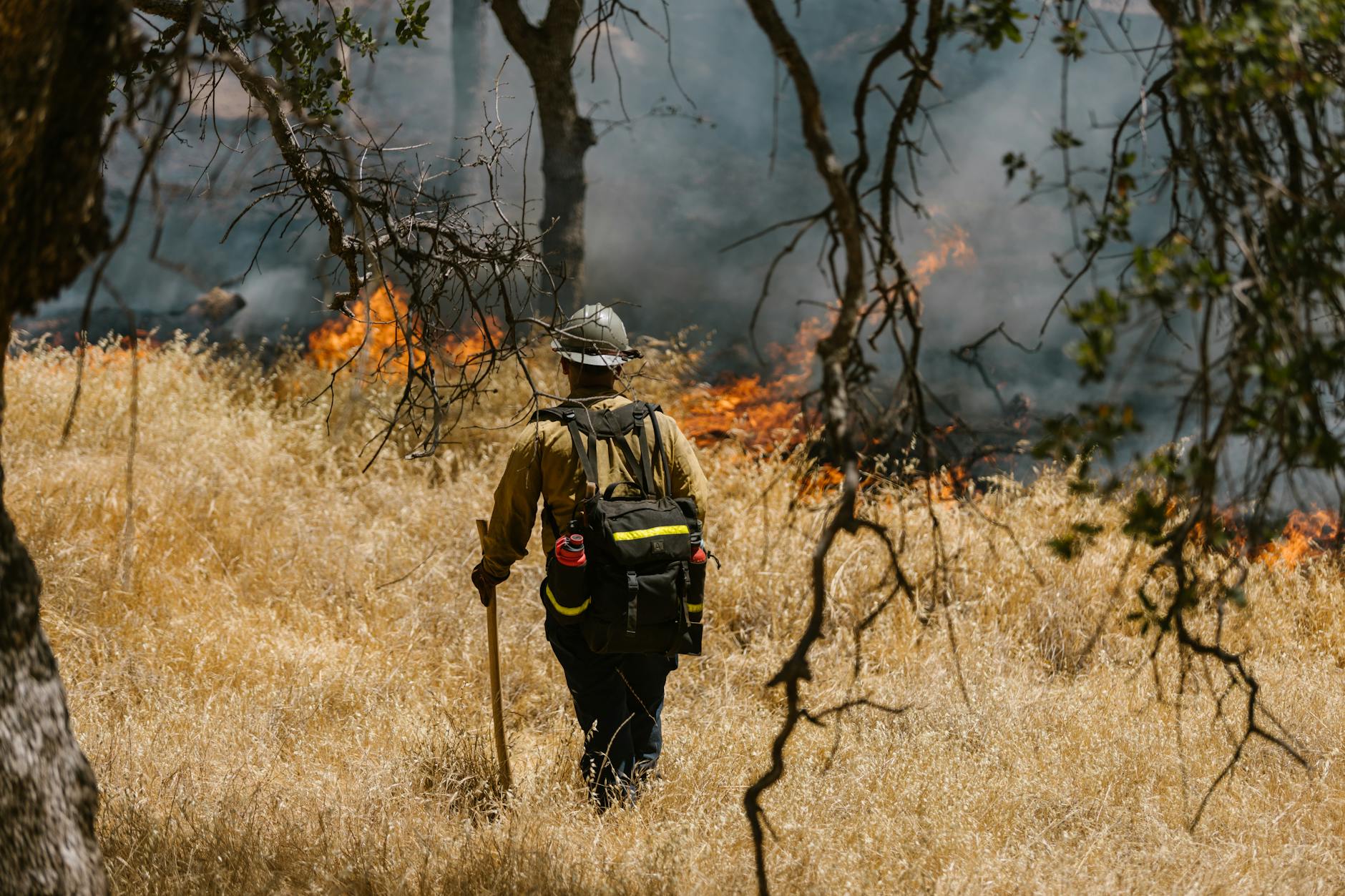
As destructive wildfires increasingly threaten communities, fueled by a changing climate, many wonder if we can ever get ahead of the flames. Surprisingly, a look back at history offers a compelling answer. Just over a century ago, our cities faced a devastating fire crisis, much like our wildland-urban interfaces do today. Through a blend of collective action, solid data, and smart policy, that crisis was overcome, offering crucial lessons for building more resilient, sustainable communities today.
A century ago, America's burgeoning cities were firetraps. Dense, wooden buildings in bustling downtowns, combined with inadequate infrastructure and loosely enforced safety rules, created a perfect storm for disaster. Major conflagrations in Portland, Chicago, and Boston wiped out vast sections of cities, causing billions in damages and prompting insurance companies to hike rates or pull coverage entirely. It was a crisis that felt insurmountable, yet it was eventually solved.
After catastrophic losses, insurance companies united to form the National Board of Fire Underwriters. They began diligently collecting data on fire causes, funding research, and developing national building codes. Crucially, they introduced a grading system for cities, evaluating fire departments, water systems, and adherence to new safety standards. This system put immense pressure on local politicians, who found it increasingly difficult to explain sky-high insurance premiums to constituents when their city simply refused to adopt modern fire-safety practices.
Over the next few decades, the landscape transformed. Fires no longer consumed entire blocks; they were contained to buildings, or even just floors. Advances like motorized fire engines, indoor sprinklers, and smoke detectors became commonplace, greatly enhancing public safety and protecting lives and property. This historical success story proves that widespread disaster can be mitigated through collaboration, data-driven solutions, and strong incentives.
Today, we face a similar, climate-fueled challenge in the wildland-urban interface, where communities meet forests. Escalating wildfires, driven by a warming planet, are pushing insurance rates sky-high and leading to widespread cancellations, mirroring the past. Organizations like the Institute for Business & Home Safety and sophisticated wildfire models are stepping in, much like the historical insurance board, to push for new solutions. Initiatives such as robust building codes and community preparedness, like Zone Zero, aim to help neighborhoods withstand fires even as they move through the landscape.
The urgency for action is clearer than ever. Record heat domes, intensified by global warming, have melted mountain snowpacks early, significantly increasing wildfire risks across the West. Acreage burned this year has nearly tripled the 10-year average, devastating agricultural communities in places like Nebraska. These events underscore why embracing proactive environmental action and sustainable, fire-wise solutions isn't just about saving homes—it's about protecting entire ecosystems and the livelihoods that depend on them, building a safer future for everyone.