West's Water Future in Doubt as Lake Powell Shrinks

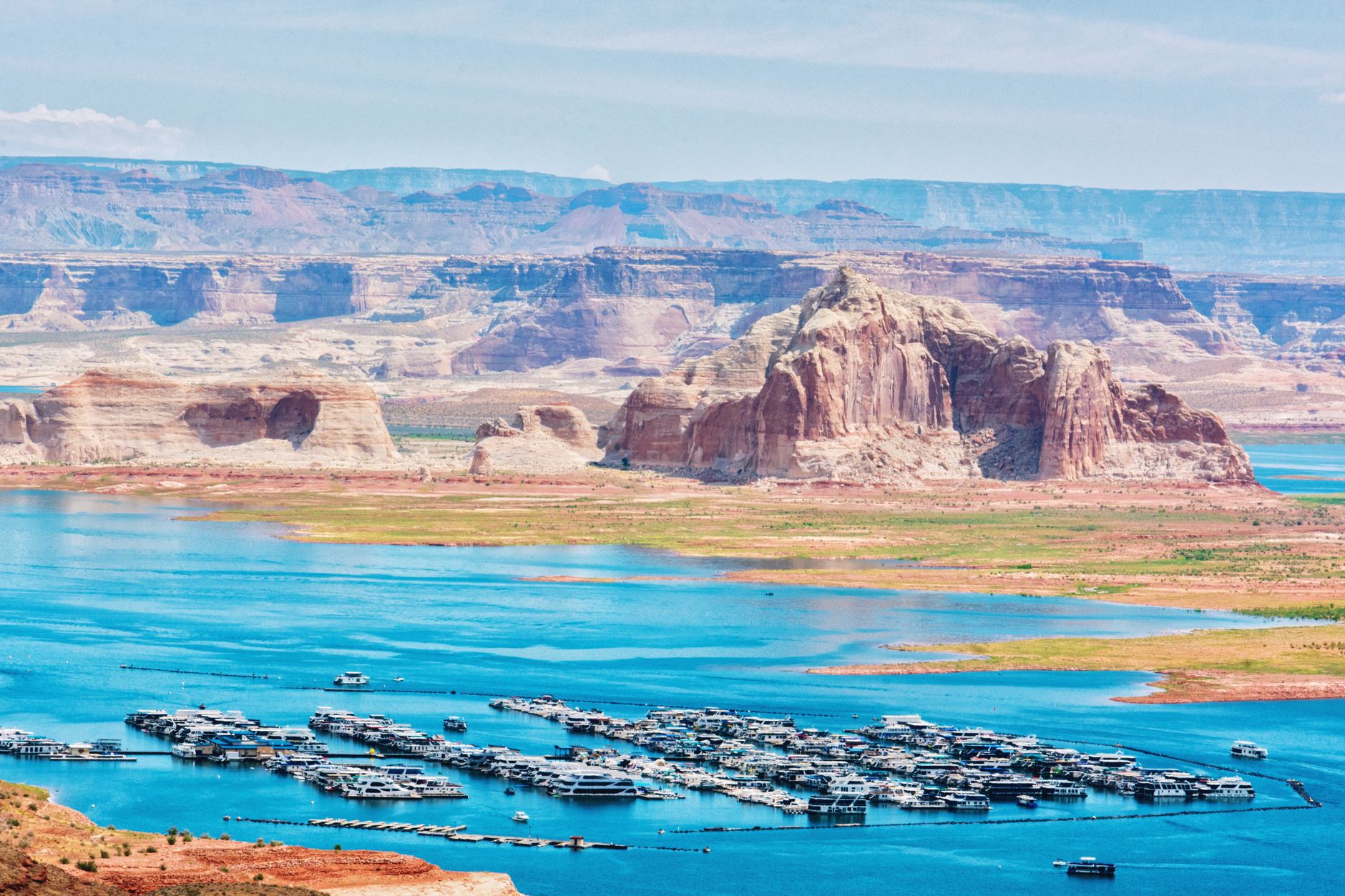
Lake Powell, the nation's second-largest reservoir and a vital artery of the Colorado River, has reached a new record low water level. This alarming milestone, following a similar drop at Lake Mead, signals a deepening water crisis across the western U.S. Millions of people, crucial wildlife habitats, and critical hydropower generation depend on the dwindling Colorado River system, highlighting the urgent need for sustainable water management in the face of persistent drought and rising temperatures.
The vast waters of Lake Powell, a lifeline for over 40 million people across seven states, have receded to an unprecedented low. This comes just after Lake Mead, another key reservoir on the Colorado River, also hit a historic bottom. The twin crises underscore the severe challenges facing the region, driven by years of overuse, exceptionally dry winters, and the unmistakable impact of a warming climate.
Federal data shows Lake Powell's water levels continuing to fall, now dangerously close to the point where its mighty turbines would cease generating electricity. This would be a major blow to the grid, emphasizing how climate change and water scarcity directly threaten clean energy infrastructure. The declining water levels also pose a significant threat to local tourism, forcing marinas to adapt to ever-changing shorelines.
As the situation worsens, federal officials and the states that rely on this precious resource are scrambling to agree on a long-term plan. Proposals suggest significant water cuts for some states, reflecting the stark reality that current consumption is unsustainable. The urgency of this crisis highlights the critical importance of collective action and innovative solutions to protect our environment and secure a sustainable future for vital resources like the Colorado River.